





Cameraria nemoris
Cameraria nemoris
Cameraria nemoris es una pequeña polilla a la que le encanta esconderse en los árboles. ¡Sus hermosas alas suelen ser marrones y se mezclan con la corteza, lo que la hace difícil de detectar!
Hábitat: Bosques
La Cameraria nemoris es una polilla diminuta, generalmente de 2 a 4 mm de largo, con cuerpos delgados y una envergadura de 4 a 8 mm. Sus alas anteriores están moteadas con escamas marrones, grises y blancas brillantes, a menudo formando patrones indistintos. A diferencia de muchas polillas más grandes, su tamaño minúsculo y su apariencia delicada son sus rasgos visuales más distintivos.
Categoría
InsectosRareza
Common
Peligro
1/5 · Muy bajo
Snaps
¡Sé la primera persona en hacer un snap!
¡Su nombre científico, 'nemoris', significa 'del bosque', perfecto para donde vive!
¡Algunas polillas Cameraria nemoris son tan pequeñas que podrías necesitar una lupa para verlas!
¡Estas diminutas polillas a menudo viven sigilosamente dentro de las hojas de los árboles durante toda su vida como orugas!
¡Cuando las orugas de Cameraria nemoris comen, dejan patrones ondulados geniales en las hojas!
Las larvas de Cameraria nemoris mastican el jugoso interior de las hojas de roble.
Diferencias por edad: Las polillas adultas no se alimentan, mientras que las larvas consumen exclusivamente tejido foliar.
Los animales solitarios viven solos durante la mayor parte de su vida y solo interactúan con otros para aparearse o cuidar de sus crías.
El camuflaje describe a los organismos que poseen colores o patrones que les permiten mezclarse con su entorno.
Este rasgo caracteriza a los organismos cuya dieta consiste total o principalmente en material vegetal.
Describe plantas que son particularmente atractivas y beneficiosas para una amplia variedad de organismos polinizadores.

Los hábitats boscosos son entornos terrestres dominados por una densa cubierta arbórea, que sustentan una gran diversidad de vida animal y vegetal.

Relativo a especies que son significativamente más pequeñas que lo típico o promedio de su tipo.

Los animales nocturnos están principalmente activos durante la noche, y suelen descansar o dormir durante el día.

Describe organismos que transfieren polen, permitiendo la fertilización y reproducción de las plantas.
Todavía no hay alias listados.
Peligro
1/5 · Muy bajo
Las polillas suelen ser inofensivas, pero es mejor mirarlas y no tocarlas.
La forma más fácil de identificar a Cameraria nemoris es usar la aplicación de identificación de naturaleza Snappit.
4-8 mm
2-4 mm
7-14 días
Las larvas de Cameraria nemoris mastican el jugoso interior de las hojas de roble.
Bosques
Pastoreo
6
Acércate para separar los grupos y explorar dónde se ha fotografiado este objeto.
Los snaps recientes aparecerán aquí a medida que se añadan nuevas observaciones.

British Columbia, CA
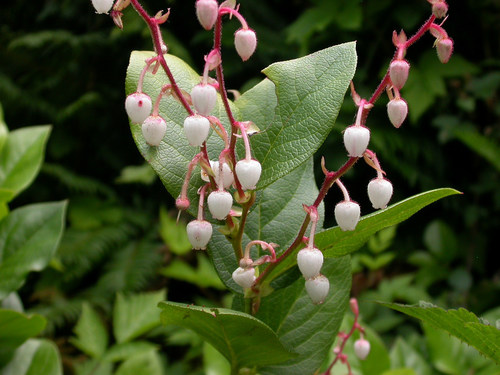
Puedes ver Salal, Arándano De Hoja Perenne y Abeto De Douglas.
Ver guía →
British Columbia, CA
Puedes ver Salal, Cono De Tierra Pequeño y Arándano De Hoja Perenne.
Ver guía →
Llévate el descubrimiento
Haz una foto con Snappit, identifica la especie y guarda el hallazgo en tu colección.








.jpg&width=800)



