





Cancer productus
Cancer productus
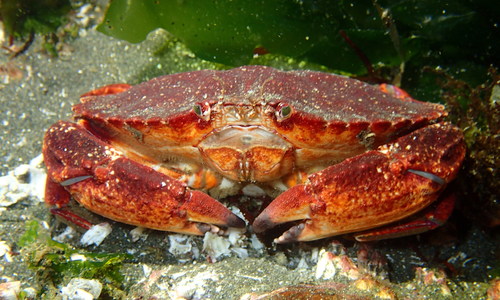
The red rock crab is a fun crab that lives in the ocean and loves to scuttle around on the rocks. They have a hard shell and can be red or brown, making them look like little crabs in a colorful costume!
Hábitat: Coastal areas
The Cancer productus is a stocky, medium-sized mammal with coarse, reddish-brown fur, often mottled for camouflage. It has short, powerful legs ending in robust claws, and small, rounded ears, distinguishing it from longer-limbed forest mammals.
Categoría
InvertebrateRareza
Common
Peligro
2/5 · Bajo
Snaps
¡Sé la primera persona en hacer un snap!
Its fur changes thickness to stay warm in winter.
They communicate with each other using unique chirping sounds!
This mammal can create complex underground tunnels!
Young Cancer productus learn to forage from their mothers.
Cancer productus can dig extensive burrows because of its powerful claws and strong forelimbs that help them create safe underground homes.
Cancer productus has an excellent sense of smell and hearing that helps them find food and avoid predators in the dark.
Cancer productus can blend seamlessly with rocky terrain due to its mottled fur patterns that help them stay hidden from watchful eyes.
This omnivorous mammal enjoys a varied diet of plants, insects, and small animals found in its habitat.
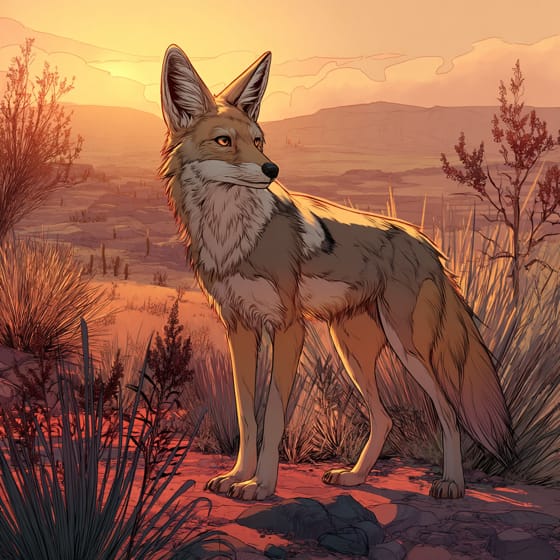
Canis latrans
A primary predator in its natural range.
Quercus garryana
Eats fallen acorns and shelters beneath its roots.
Peromyscus maniculatus
Preys on these small rodents during nocturnal foraging.
Los animales solitarios viven solos durante la mayor parte de su vida y solo interactúan con otros para aparearse o cuidar de sus crías.
Los carroñeros consumen materia orgánica muerta, ayudando a descomponer los cadáveres y otros desechos en el ecosistema.
El camuflaje describe a los organismos que poseen colores o patrones que les permiten mezclarse con su entorno.
Colorido describe a organismos u objetos que exhiben una amplia variedad de colores brillantes y distintivos.

Los hábitats costeros son entornos dinámicos situados a lo largo de la interfaz entre la tierra y el mar, influenciados por las mareas, las olas y el agua salada.

Acorazado describe a los animales protegidos por una cubierta externa dura o caparazón para defenderse.

Este rasgo identifica a los organismos cuya dieta consiste total o principalmente en tejido animal.

Los animales diurnos están activos principalmente durante el día y suelen descansar o dormir por la noche.

Los hábitats marinos abarcan todos los entornos de agua salada de los océanos de la Tierra, sustentando una inmensa diversidad de vida acuática.
Todavía no hay alias listados.
Peligro
2/5 · Bajo
Be careful around crabs; their pincers can pinch if they feel scared.
30-50 cm
5-10 kg
5-8 años
20 km/h
This omnivorous mammal enjoys a varied diet of plants, insects, and small animals found in its habitat.
Coastal areas
Foraging
3-6
Acércate para separar los grupos y explorar dónde se ha fotografiado este objeto.
Los snaps recientes aparecerán aquí a medida que se añadan nuevas observaciones.

New York, US
Puedes ver Zorro Rojo, Lobo Gris y Equus Africanus Asinus.
Ver guía →
British Columbia, CA
Puedes ver Red Rock Crab, Dungeness Crab y Salal.
Ver guía →
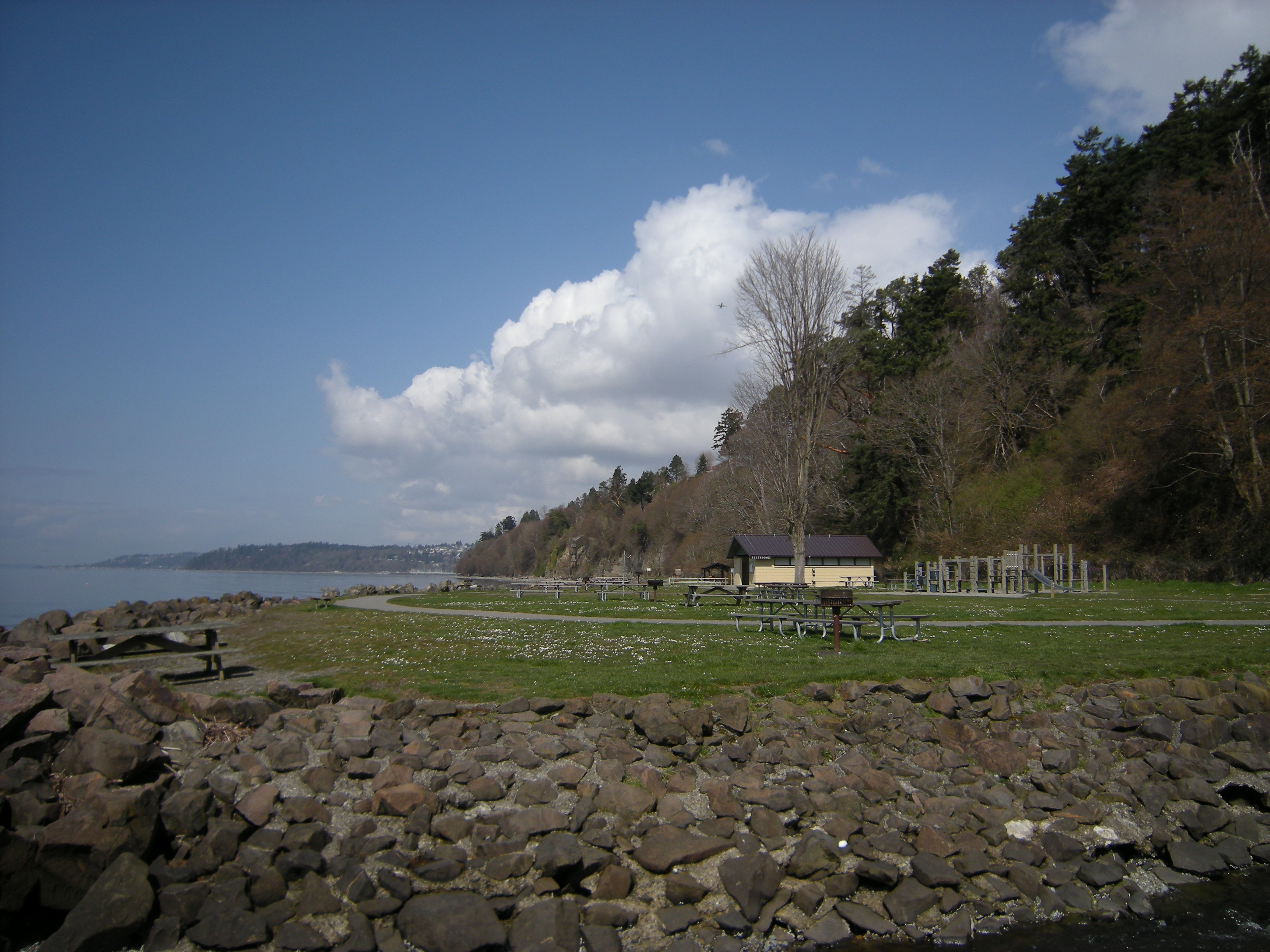
Washington, US
Puedes ver Bigleaf Maple, Western Redcedar y Aggregating Anemone.
Ver guía →

Washington, US
Puedes ver Aggregating Anemone, Red Rock Crab y Olympic Gull.
Ver guía →

Washington, US
Puedes ver Red Valerian, Ocean Spray y Yellow Shore Crab.
Ver guía →
Washington, US
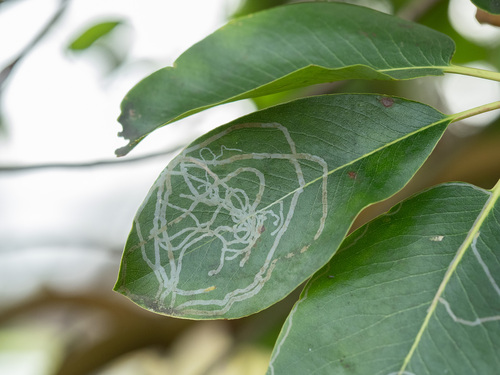
Puedes ver Madrone Skin Miner, Pacific Madrone y Rhododendron Leafhopper.
Ver guía →









_(14534156278).jpg&width=800)

