Candy Flower
Claytonia sibirica
Candy Flowers are pretty little blooms that look like they are made of candy! They have soft petals and often grow in clusters, making them look like a sweet treat in nature.
Hábitat: Forests
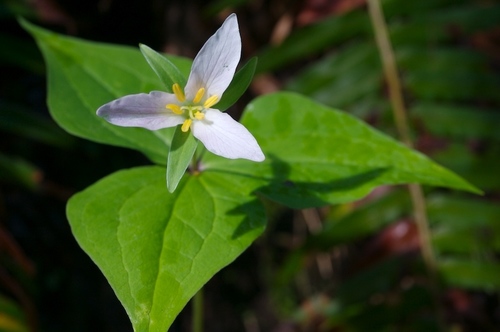
The Candy Flower has delicate, five-petaled white or pink blossoms, often with darker pink veins, clustered atop slender reddish stems. Its glossy, spoon-shaped green leaves form a basal rosette, distinguishing it from most small wildflowers.
Categoría
PlantasRareza
Common
Peligro
1/5 · Muy bajo
Snaps
¡Sé la primera persona en hacer un snap!
Indigenous peoples traditionally enjoyed the fresh, spinach-like greens of this plant.
Its beautiful petals fold up tight at night, then unfurl with the morning sun!
The tiny seeds are sometimes spread by ants, who carry them to new spots!
This wildflower can pop up through melting snow, being one of the first blooms of spring!
Candy Flower can grow and bloom rapidly in spring, helping it capture sunlight before taller plants leaf out.
Candy Flower has tender leaves packed with nutrients, making it a valuable food source for various animals and people.
Candy Flower has adaptations to thrive in damp, shady conditions, allowing it to grow where many other plants struggle.
Apis mellifera
collects nectar and pollen
Bombus occidentalis
visits flowers for nectar
Odocoileus virginianus
grazes on its tender leaves
Las plantas con flores son cualquier planta que produce flores como parte de su ciclo reproductivo.
Las flores en racimo son inflorescencias donde las flores individuales están dispuestas muy juntas en un tallo común.
Las plantas de floración primaveral producen sus flores durante la temporada de primavera, lo que a menudo significa el final del invierno y el comienzo de un nuevo crecimiento.
Las flores fragantes emiten un aroma agradable, a menudo para atraer polinizadores o como defensa.

Colorido describe a organismos u objetos que exhiben una amplia variedad de colores brillantes y distintivos.

Las plantas comestibles son aquellas partes de una planta que se consideran seguras para el consumo humano.

Describe plantas que son particularmente atractivas y beneficiosas para una amplia variedad de organismos polinizadores.

Los hábitats boscosos son entornos terrestres dominados por una densa cubierta arbórea, que sustentan una gran diversidad de vida animal y vegetal.
Peligro
1/5 · Muy bajo
Always ask an adult before touching or tasting any wild plants.
10-30 cm
10-20 cm
0.5-1.5 cm
Spring to early summer
Sí
Ninguna
Perenne
Insectos
Acércate para separar los grupos y explorar dónde se ha fotografiado este objeto.
Los snaps recientes aparecerán aquí a medida que se añadan nuevas observaciones.

British Columbia, CA
Puedes ver Babosa Banana, Arctic Butterbur y Coastal Brookfoam.
Ver guía →
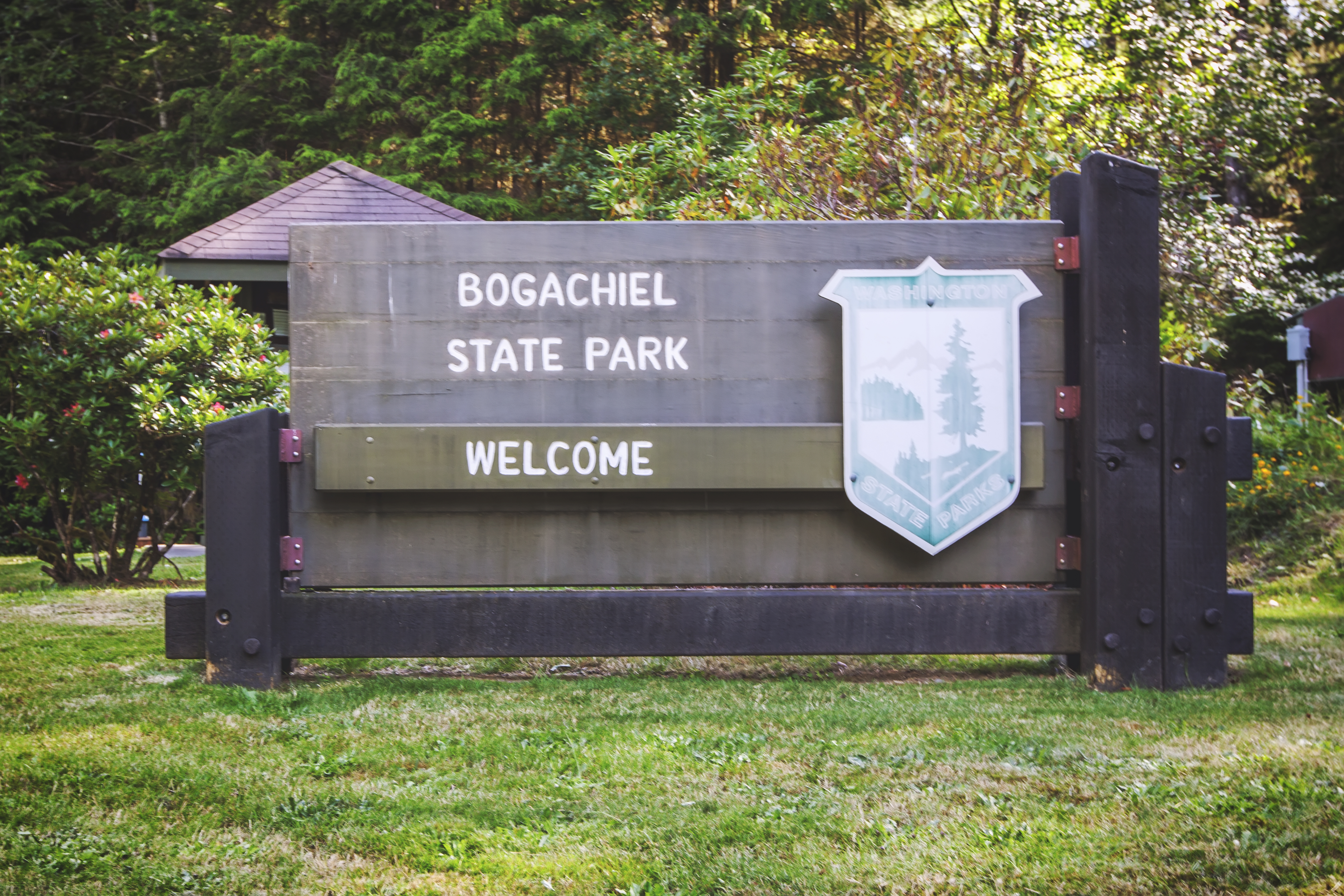
Washington, US
Puedes ver Babosa Banana, Black Slug y Salmonberry.
Ver guía →
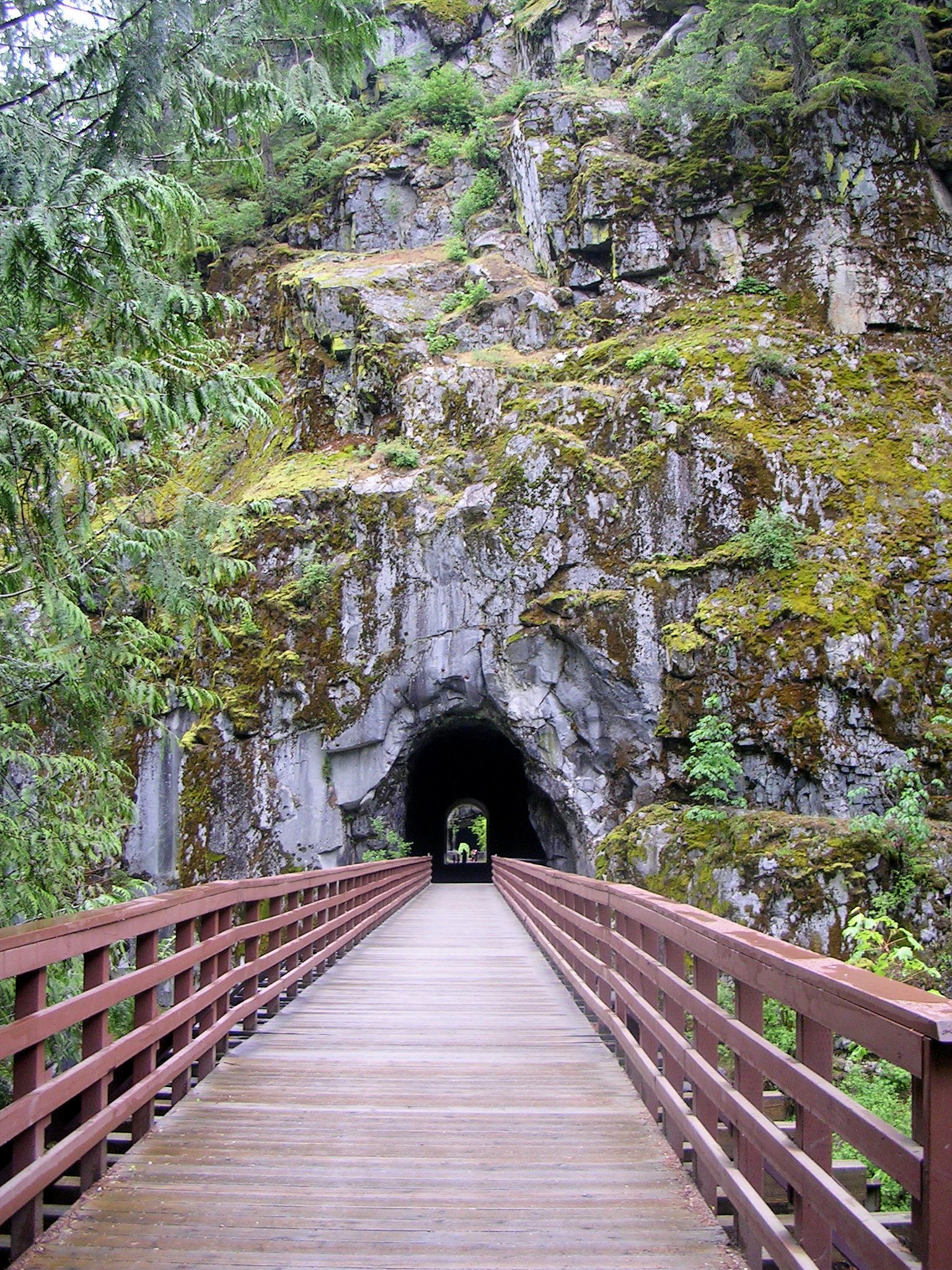
British Columbia, CA
Puedes ver Western Sword Fern, Vine Maple y Thimbleberry.
Ver guía →
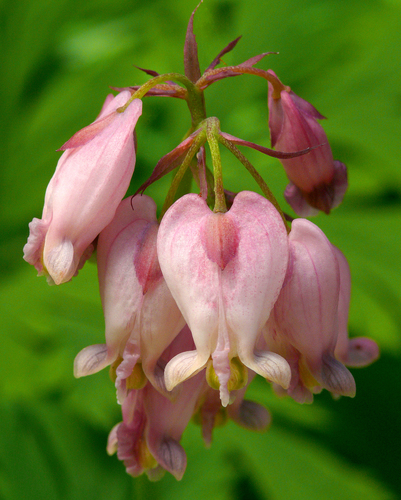
British Columbia, CA
Puedes ver Pacific Bleeding Heart, Tansy y Western Sword Fern.
Ver guía →
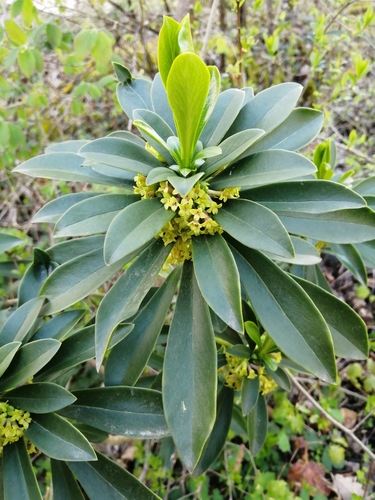
British Columbia, CA
Puedes ver Spurge-Laurel, Lagartija Roquera y Western Skunk Cabbage.
Ver guía →
British Columbia, CA
Puedes ver Pacific Trillium, Coast Fawn Lily y Western Sword Fern.
Ver guía →