

Cannabis
cannabis sativa
Cannabis sativa es una de las plantas compañeras más antiguas y versátiles de la humanidad, venerada durante miles de años en diversas culturas. Como planta herbácea anual, es reconocida por su utilidad multipropósito, produciendo fibras de cáñamo industrial duraderas, semillas comestibles nutritivas y complejos metabolitos secundarios. Esta notable planta presenta un perfil químico sofisticado, produciendo más de cien cannabinoides distintos, incluidos el THC y el CBD, dentro de sus estructuras glandulares especializadas. En la naturaleza, crece vigorosamente, adaptándose a una amplia gama de climas, desde zonas templadas hasta regiones tropicales. Su viaje histórico junto a la civilización humana la ha convertido en un icono global de la botánica, la agricultura y la medicina, moldeando continuamente industrias y despertando la curiosidad científica en todo el mundo.
Hábitat: Típicamente prospera en ambientes abiertos y soleados con suelos bien drenados y ricos en nutrientes, como zonas ribereñas, márgenes agrícolas y áreas perturbadas.
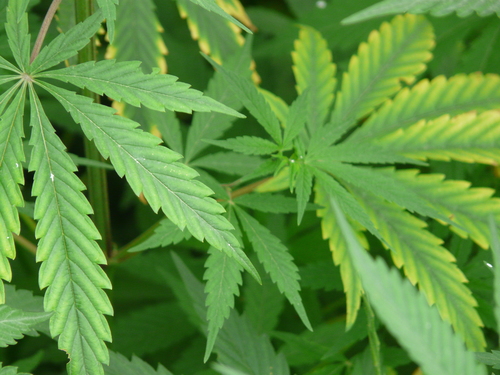
Cannabis sativa se reconoce fácilmente por sus distintivas hojas palmadas, que presentan de cinco a nueve folíolos estrechos, lanceolados y con márgenes afiladamente serrados. La planta puede crecer bastante alta, alcanzando alturas de varios metros, con un tallo robusto, erecto y algo fibroso. El follaje es de un verde rico y vibrante, y toda la planta está cubierta de pequeños tricomas glandulares pegajosos, que le dan un brillo cristalino y un fuerte olor aromático. Como especie dioica, las plantas masculinas producen racimos sueltos y colgantes de pequeñas flores de color verde pálido, mientras que las plantas femeninas producen espigas frondosas densas y compactas, envueltas en brácteas verdes pegajosas.
Categoría
PlantasRareza
Common
Peligro
1/5 · Muy bajo
Snaps
1
El cannabis se utilizó en Chernóbil para ayudar a limpiar el suelo radiactivo a través de un proceso llamado fitorremediación.
El registro físico más antiguo del uso humano del cannabis data de hace más de 2,500 años en el oeste de China, donde se utilizó en ceremonias rituales.
A diferencia de muchas plantas con flores, el cannabis es principalmente polinizado por el viento, dependiendo de la brisa en lugar de los insectos para dispersar su polen.
Como planta fotosintética, sintetiza sus propios compuestos orgánicos utilizando luz solar, dióxido de carbono, agua y nutrientes del suelo.
Diferencias por edad: Las plántulas dependen de las reservas de energía de los cotiledones antes de desarrollar rápidamente raíces y hojas para pasar a una fotosíntesis autótrofa completa.
Aún no hay insignias de rasgos asignadas a este objeto.
Todavía no hay alias listados.
Las colecciones para este objeto aparecerán aquí a medida que se añadan más temas.
Peligro
1/5 · Muy bajo
Todavía no hay notas especiales de seguridad.
La forma más fácil de identificar a Cannabis es usar la aplicación de identificación de naturaleza Snappit.
100-500 cm
0.1-3 kg
1 años
Como planta fotosintética, sintetiza sus propios compuestos orgánicos utilizando luz solar, dióxido de carbono, agua y nutrientes del suelo.
Típicamente prospera en ambientes abiertos y soleados con suelos bien drenados y ricos en nutrientes, como zonas ribereñas, márgenes agrícolas y áreas perturbadas.
Fotosíntesis
Acércate para separar los grupos y explorar dónde se ha fotografiado este objeto.
Llévate el descubrimiento
Haz una foto con Snappit, identifica la especie y guarda el hallazgo en tu colección.












.jpg&width=800)



_001.jpg&width=800)




