

Carnivorans
Carnivora
Carnivorans are a group of meat-eating mammals that include animals like lions, tigers, and bears. They are known for their sharp teeth and strong bodies, which help them catch their food.
Hábitat: Forests, Grasslands, Mountains
The Carnivorans are a diverse group of mammals, generally recognized by their specialized teeth, including prominent canines and shearing molars. They often have muscular bodies, agile limbs, and sharp claws. Their fur coloration varies widely from striped and spotted to solid brown, black, or white, providing camouflage.
Categoría
MamíferosRareza
Common
Peligro
5/5 · Extremo
Snaps
¡Sé la primera persona en hacer un snap!
Many carnivorans mark their territory with scent messages, like leaving a secret note for others!
Some carnivorans can purr like a tiny engine, but only big cats that roar can't purr!
Some carnivorans, like bears, can stand tall on two legs to get a better view or look intimidating!
The smallest carnivoran, the Least Weasel, weighs less than a chocolate bar!
Carnivorans can deliver crushing bites because of powerful jaw muscles and specialized carnassial teeth that help them slice through meat.
Carnivorans have highly developed senses of smell, hearing, and often eyesight that help them locate and track prey, even in low light.
Carnivorans possess strong, flexible bodies and powerful legs because of their need to chase, pounce, or stalk, helping them capture fast-moving prey.
Carnivorans have sharp, often retractable claws that help them grip prey, climb trees, and dig for hidden food or shelter.
They mainly eat meat, but some enjoy plants and even insects for a tasty treat!
Odocoileus virginianus
Many large carnivorans, like cougars, hunt deer.
Lepus americanus
Lynx and foxes frequently hunt snowshoe hares.
Salmo salar
Bears, a type of omnivorous carnivoran, commonly eat this fish.
Quercus robur
Bears and other omnivorous carnivorans consume its acorns.
Sus scrofa
Large carnivorans like tigers and bears prey on wild boars.
Peludo describe a los animales que poseen una cubierta densa de pelo o pelaje suave.
Los animales sociales viven en grupos organizados, cooperando para obtener beneficios de supervivencia como la búsqueda de alimento, la defensa y la cría de descendencia.
Los carroñeros consumen materia orgánica muerta, ayudando a descomponer los cadáveres y otros desechos en el ecosistema.
Los hábitats de pastizales son biomas terrestres dominados por pastos y plantas herbáceas, que sustentan a una variedad de animales de pastoreo.

Este rasgo de hábitat identifica a las especies que se encuentran en regiones montañosas, caracterizadas por su gran altitud, pendientes pronunciadas y zonas climáticas variables.

Los hábitats boscosos son entornos terrestres dominados por una densa cubierta arbórea, que sustentan una gran diversidad de vida animal y vegetal.

Un depredador de emboscada caza esperando pacientemente y ocultándose, para luego lanzar un ataque repentino cuando una presa desprevenida se pone a su alcance.

Este rasgo identifica a los organismos cuya dieta consiste total o principalmente en tejido animal.

Describe una especie cuya presencia y papel tienen un efecto desproporcionadamente grande en su entorno.

Este rasgo identifica a los organismos que exhiben una rapidez excepcional en sus movimientos para cazar, escapar o desplazarse.

Los animales nocturnos están principalmente activos durante la noche, y suelen descansar o dormir durante el día.
Todavía no hay alias listados.
Peligro
5/5 · Extremo
Always admire wild animals from a safe distance and never try to touch or feed them.
15-300 cm
0.05-600 kg
5-30 años
110 km/h
They mainly eat meat, but some enjoy plants and even insects for a tasty treat!
Forests, Grasslands, Mountains
Ambush, Pursuit, Foraging y Scavenging
1-12
Acércate para separar los grupos y explorar dónde se ha fotografiado este objeto.
Los snaps recientes aparecerán aquí a medida que se añadan nuevas observaciones.

South Dakota, US
Puedes ver Scarlet Globemallow, Leadplant y Yellow Salsify.
Ver guía →
British Columbia, CA
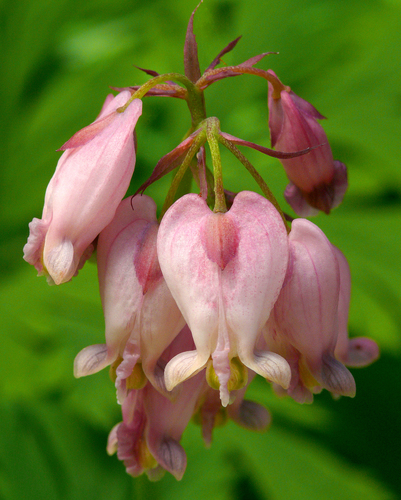
Puedes ver Pacific Bleeding Heart, Tansy y Western Sword Fern.
Ver guía →

British Columbia, CA
Puedes ver Western Rattlesnake Plantain y Shinyleaf Meadowsweet.
Ver guía →








.jpg&width=800)