






Carolina Bugbane
trautvetteria caroliniensis
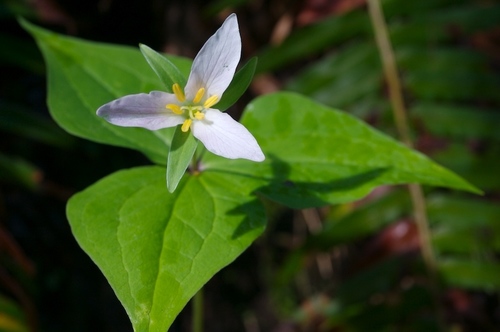
The Carolina Bugbane is a tall, beautiful plant that grows in shady forests. It has fluffy white flowers that look like little clouds in the summer!
Hábitat: Shady forests and woodlands
The Carolina Bugbane has tall, slender stems topped with striking, bottle-brush-like clusters of tiny, fluffy white flowers. Its large, deeply lobed green leaves resemble maple leaves, adding texture to its appearance, making it distinct among woodland plants.
Categoría
PlantasRareza
Common
Peligro
0/5 · Sin peligro conocido
Snaps
¡Sé la primera persona en hacer un snap!
Even deer usually pass by this plant, leaving its unique leaves untouched!
Its tall, feathery flower stalks make it look like a woodland firework display!
The name 'bugbane' refers to its scent, which some people say deters insects!
This plant loves to live near streams and in moist, shady forest nooks.
Carolina Bugbane has showy white flower clusters that attract many insects for successful reproduction.
Carolina Bugbane can spread by underground rhizomes, allowing it to form dense colonies in its preferred habitat.
Apis mellifera
Gathers nectar and pollen
Bombus impatiens
Feeds on nectar and pollen
Syrphus ribesii
Visits flowers for nectar
Los animales sociales viven en grupos organizados, cooperando para obtener beneficios de supervivencia como la búsqueda de alimento, la defensa y la cría de descendencia.
Colorido describe a organismos u objetos que exhiben una amplia variedad de colores brillantes y distintivos.
Este rasgo caracteriza a los organismos cuya dieta consiste total o principalmente en material vegetal.
Los hábitats boscosos son entornos terrestres dominados por una densa cubierta arbórea, que sustentan una gran diversidad de vida animal y vegetal.

Describe organismos que transfieren polen, permitiendo la fertilización y reproducción de las plantas.
Peligro
0/5 · Sin peligro conocido
Todavía no hay notas especiales de seguridad.
60-120 cm
30-60 cm
0.2-0.5 cm
Late summer to early fall
No
Ninguna
Perenne
Insectos
Acércate para separar los grupos y explorar dónde se ha fotografiado este objeto.
Los snaps recientes aparecerán aquí a medida que se añadan nuevas observaciones.












_Oxalis_articulata_-_Flowers.jpg&width=800)

