






Carolina Chickadee
Poecile carolinensis
The Carolina Chickadee is a small, cheerful bird with a black cap and white cheeks. They love to flit around trees and are known for their sweet, whistling calls that sound like 'chick-a-dee-dee-dee'.
Hábitat: Forests
The Carolina Chickadee is a small, plump songbird with a distinctive black cap and bib, contrasted by crisp white cheeks. Its back and wings are gray, while its belly is whitish with buffy sides, making it slightly less white on the wing edges compared to its northern cousin.
Categoría
AvesRareza
Common
Peligro
1/5 · Muy bajo
Snaps
¡Sé la primera persona en hacer un snap!
Carolina Chickadees fluff up their feathers to trap air and stay warm.
Chickadees often nest inside abandoned woodpecker holes or tiny tree cavities!
Their heart can beat over 500 times per minute when they are active!
This tiny bird can hang upside down to find hidden insects on branches!
Carolina Chickadee can recall hundreds of hidden food locations because its brain's memory center temporarily expands in the fall.
Carolina Chickadee can lower its body temperature at night (torpor) to save energy and survive freezing winter nights.
Carolina Chickadee has complex 'chick-a-dee-dee-dee' calls that communicate specific predator threats and their danger level.
These tiny birds feast on insects, spiders, seeds, and berries, especially in colder months!
Accipiter cooperii
A common predator that hunts small birds like chickadees.
Dryobates pubescens
Chickadees often use old woodpecker nest cavities for their own nests.
Quercus alba
Chickadees forage for insects and seeds found on oak trees.
Describe a los animales, principalmente aves, que poseen una cubierta de plumas.
Los animales sociales viven en grupos organizados, cooperando para obtener beneficios de supervivencia como la búsqueda de alimento, la defensa y la cría de descendencia.
Los animales cantores producen vocalizaciones complejas, a menudo con el propósito de atraer parejas, defender el territorio o comunicarse dentro de su especie.
Este rasgo identifica a los organismos cuya dieta consiste principalmente en insectos y otros pequeños invertebrados.

Los hábitats boscosos son entornos terrestres dominados por una densa cubierta arbórea, que sustentan una gran diversidad de vida animal y vegetal.

Los animales diurnos están activos principalmente durante el día y suelen descansar o dormir por la noche.
Peligro
1/5 · Muy bajo
Enjoy watching birds from a distance and don't try to touch them.
11.5-13 cm
16-20 cm
0.009-0.012 kg
2-7 años
35 km/h
These tiny birds feast on insects, spiders, seeds, and berries, especially in colder months!
Forests
Foraging
Acércate para separar los grupos y explorar dónde se ha fotografiado este objeto.
Los snaps recientes aparecerán aquí a medida que se añadan nuevas observaciones.

Virginia, US
Puedes ver Mayapple, Cardenal Norteño y Multiflora Rose.
Ver guía →
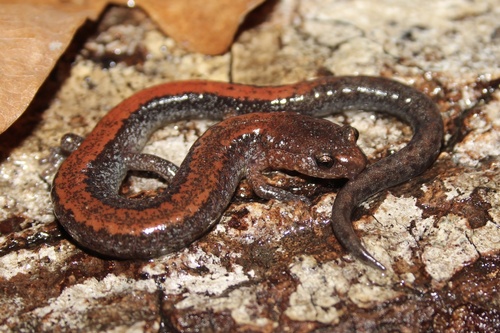
Virginia, US
Puedes ver Eastern Red-Backed Salamander y Tritón Oriental.
Ver guía →

Texas, US
Puedes ver Cardenal Norteño, Caimán Americano y Northern Cottonmouth.
Ver guía →

Maryland, US
Puedes ver Domestic Horse, Sanderling y Atlantic Ghost Crab.
Ver guía →
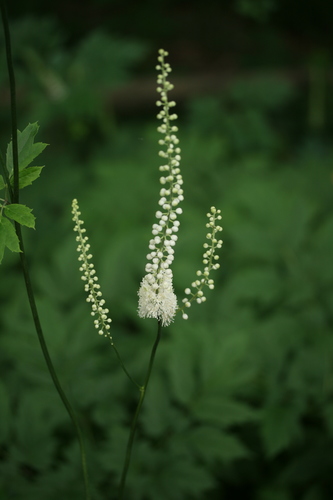
Virginia, US
Puedes ver Black Cohosh, Common Coral Slime y Rue Anemone.
Ver guía →
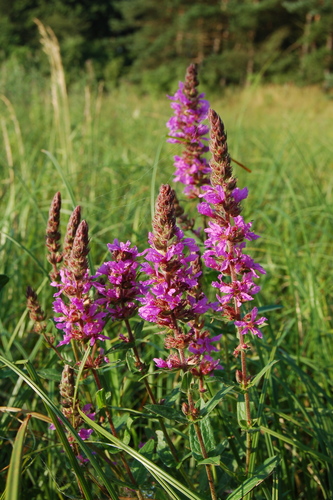
Virginia, US
Puedes ver Purple Loosestrife, Haircap Moss y Magnolias.
Ver guía →













_with_offspring%2C_Liefdefjord%2C_Svalbard.jpg&width=800)
