Carolina horsenettle
Solanum carolinense
The Carolina horsenettle is a plant with spiky leaves and pretty purple flowers. It grows in sunny places and can be found in fields and gardens. Be careful, as its berries can be harmful if eaten!
Hábitat: Fields and gardens
The Carolina horsenettle is a prickly plant featuring thorny stems and small, star-shaped flowers typically purple or white with yellow centers. Its distinctive yellow-orange berries, resembling tiny tomatoes, grow in clusters and are a key identification feature.
Categoría
PlantasRareza
Common
Peligro
3/5 · Moderado
Snaps
¡Sé la primera persona en hacer un snap!
Each plant can produce hundreds of berries, spreading thousands of tiny seeds!
It's a cousin to tomatoes and potatoes, even though its berries are not safe to eat!
Its name comes from the plant's prickliness and its potential to harm grazing animals!
The seeds can stay alive in the soil for over 100 years, waiting to grow!
Carolina horsenettle has sharp thorns on its stems and leaves that help it defend against hungry animals trying to eat it.
Carolina horsenettle can grow deep, spreading roots that help it survive droughts and sprout new plants after being cut.
Carolina horsenettle produces toxic compounds throughout its parts, which helps deter most herbivores from making it their meal.

Lema trilineata
Its larvae and adults feed on the leaves.
Apis mellifera
Visits its flowers for nectar and pollen collection.
Turdus migratorius
Birds eat the berries, helping to disperse the seeds.
Las plantas con flores son cualquier planta que produce flores como parte de su ciclo reproductivo.
Las plantas de floración de verano producen sus flores durante la temporada estival, a menudo aportando un color vibrante cuando muchas otras plantas ya han terminado de florecer.
Las plantas frutales producen frutos, que son los ovarios maduros de las plantas con flores que contienen semillas.
Colorido describe a organismos u objetos que exhiben una amplia variedad de colores brillantes y distintivos.

Los hábitats de pastizales son biomas terrestres dominados por pastos y plantas herbáceas, que sustentan a una variedad de animales de pastoreo.

Posee proyecciones puntiagudas y afiladas o espinas en el cuerpo o en la superficie.

Los organismos tóxicos contienen sustancias que son venenosas y pueden causar efectos adversos al estar expuestos a ellas.

Los organismos venenosos producen toxinas que pueden causar daño si se ingieren, inhalan o absorben por contacto.
Todavía no hay alias listados.
Peligro
3/5 · Moderado
Don't eat the berries or touch the spiky parts of the plant.
30-100 cm
30-60 cm
1-2.5 cm
Late spring to early fall
No
Moderada
Perenne
Insectos
Acércate para separar los grupos y explorar dónde se ha fotografiado este objeto.
Los snaps recientes aparecerán aquí a medida que se añadan nuevas observaciones.

Pennsylvania, US
Puedes ver Ciervo De Cola Blanca y Mile-A-Minute Weed.
Ver guía →

Iowa, US
Puedes ver Ciervo De Cola Blanca, Rana Toro Americana y Cup Plant.
Ver guía →
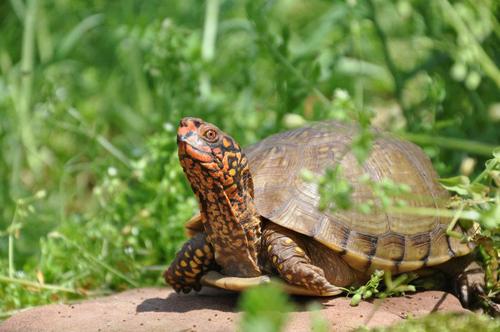
Oklahoma, US
Puedes ver Three-Toed Box Turtle, Blackjack Oak y American Persimmon.
Ver guía →

Virginia, US
Puedes ver Common Watersnake, Multiflora Rose y Carolina Ruellia.
Ver guía →
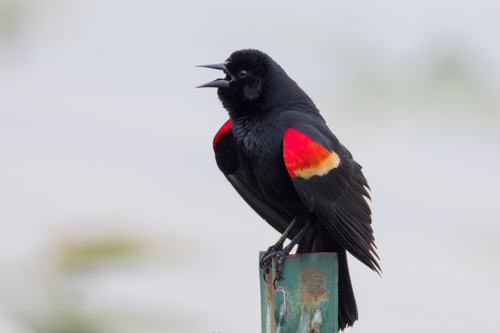
Virginia, US
Puedes ver Tordo Sargento y Barnacla Canadiense.
Ver guía →

District of Columbia, US
Puedes ver Ardilla Gris Oriental, Gorrión Común y Petirrojo Americano.
Ver guía →