Carolina Wicky
kalmia carolina
The Carolina Wicky (Kalmia carolina) is a charming yet resilient evergreen shrub native to the southeastern United States. Standing relatively low compared to its famous relative, the Mountain Laurel, this species brings a splash of vibrant color to bog margins, pine flatwoods, and savannas. Its most captivating feature is its clusters of striking pink-to-purple, bell-shaped flowers that bloom in late spring. These blossoms possess a highly specialized, spring-loaded pollination mechanism that interacts beautifully with native bees.
Hábitat: Typically found in acidic, nutrient-poor soils of pine flatwoods, savannas, bogs, and coastal plain pocosins.
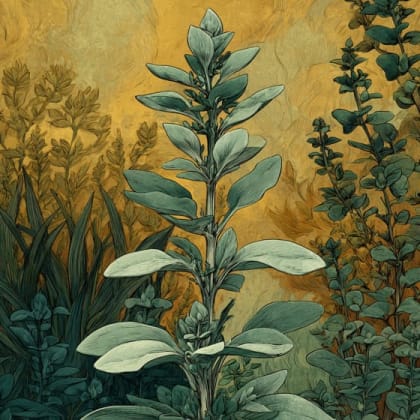
Carolina Wicky is a low-growing, multi-branched shrub typically reaching 30 to 100 centimeters in height. It features small, leathery, elongated leaves that are dark green above and distinctly pale with fine, velvety hairs on the undersides. The flowers are bright pink or purplish-red, shaped like small, shallow bowls or cups, and cluster tightly along the stems. Each flower has ten small pockets that hold the tips of the stamens under tension until triggered.
Categoría
PlantasRareza
Common
Peligro
1/5 · Muy bajo
Snaps
¡Sé la primera persona en hacer un snap!
Due to the presence of grayanotoxins in all parts of the plant, it is notoriously toxic to livestock, which earned it historical names like 'sheep-laurel' or 'wicky'.
Honey produced by bees that forage heavily on Kalmia flowers can inherit the plant's toxicity, resulting in a dangerous condition known as 'mad honey' poisoning.
Its flower stamens are so finely tuned that even a gentle touch with a pine needle or toothpick can trigger the spring-loaded pollen launch.
The flowers feature a unique mechanical design where the stamens are tucked into pockets under tension. When a heavy pollinator like a bumblebee lands, the stamens are released like tiny catapults, flinging pollen directly onto the insect.
The plant produces highly potent grayanotoxins in its foliage and stems, acting as an effective deterrent against most mammalian herbivores.
It thrives in highly acidic, waterlogged, and nutrient-deficient soils where many other plant species fail to survive.
As a photosynthetic autotroph, the Carolina Wicky produces its own energy using sunlight, water, and carbon dioxide.
Bombus impatiens
The Eastern Bumble Bee triggers the plant's spring-loaded stamens, collecting pollen while facilitating pollination.
Sphinx kalmiae
The caterpillar of the Laurel Sphinx moth feeds on the toxic leaves of the plant, having evolved tolerance to its defenses.
Rhizoscyphus ericae
Form of mutualistic fungi that colonize the root system, helping the plant absorb essential nitrogen from poor soils.
Aún no hay insignias de rasgos asignadas a este objeto.
Todavía no hay alias listados.
Las colecciones para este objeto aparecerán aquí a medida que se añadan más temas.
Peligro
1/5 · Muy bajo
Todavía no hay notas especiales de seguridad.
La forma más fácil de identificar a Carolina Wicky es usar la aplicación de identificación de naturaleza Snappit.
30-100 cm
10-30 años
As a photosynthetic autotroph, the Carolina Wicky produces its own energy using sunlight, water, and carbon dioxide.
Typically found in acidic, nutrient-poor soils of pine flatwoods, savannas, bogs, and coastal plain pocosins.
Acércate para separar los grupos y explorar dónde se ha fotografiado este objeto.
Los snaps recientes aparecerán aquí a medida que se añadan nuevas observaciones.

North Carolina, US
Puedes ver Selaginela Espinosa, Carolina Wicky y Pino De Hoja Larga.
Ver guía →

North Carolina, US
Puedes ver Roble Pavo Americano, Pino De Hoja Larga y Selaginela Espinosa.
Ver guía →