






Carolina Wren
Thryothorus ludovicianus
The Carolina Wren is a small, cheerful bird known for its loud, happy song. With its brown feathers and a cute, round body, it loves to hop around in gardens and forests, making it a delightful sight to see!
Hábitat: Forests
The Carolina Wren is a small, energetic bird with rufous-brown feathers above and buffy orange below. It has a striking white stripe above its eye and an upturned tail, making it look quite distinctive.
Categoría
AvesRareza
Common
Peligro
1/5 · Muy bajo
Snaps
¡Sé la primera persona en hacer un snap!
One tiny Carolina Wren can sing over 40 different songs!
Their loud song, 'teakettle-teakettle,' can be heard almost a kilometer away!
They sometimes nap inside old socks or hanging flower pots!
This bird often mates for life, staying with its partner year after year.
Carolina Wren can build sturdy nests in diverse, unusual spots like mailboxes, helping them adapt to many environments.
Carolina Wren has a sharp, slender beak that helps them probe crevices and dense foliage to find hidden insects.
Carolina Wrens love to gobble up insects and spiders they find hiding in plants.
Felis catus
Cats are a significant predator of ground-nesting and foraging wrens.
Accipiter cooperii
Larger birds of prey occasionally hunt small songbirds like wrens.
Quercus alba
Wrens find insects and shelter among the dense branches and leaf litter.
Describe a los animales, principalmente aves, que poseen una cubierta de plumas.
Los animales sociales viven en grupos organizados, cooperando para obtener beneficios de supervivencia como la búsqueda de alimento, la defensa y la cría de descendencia.
Los animales cantores producen vocalizaciones complejas, a menudo con el propósito de atraer parejas, defender el territorio o comunicarse dentro de su especie.
Este rasgo identifica a los organismos cuya dieta consiste principalmente en insectos y otros pequeños invertebrados.

Los hábitats boscosos son entornos terrestres dominados por una densa cubierta arbórea, que sustentan una gran diversidad de vida animal y vegetal.

Los animales diurnos están activos principalmente durante el día y suelen descansar o dormir por la noche.
Todavía no hay alias listados.
Peligro
1/5 · Muy bajo
Enjoy watching birds from a distance and don't try to touch or catch them.
12.5-14 cm
25-30 cm
0.018-0.022 kg
6-7 años
35 km/h
Carolina Wrens love to gobble up insects and spiders they find hiding in plants.
Forests
Foraging
Acércate para separar los grupos y explorar dónde se ha fotografiado este objeto.
Los snaps recientes aparecerán aquí a medida que se añadan nuevas observaciones.
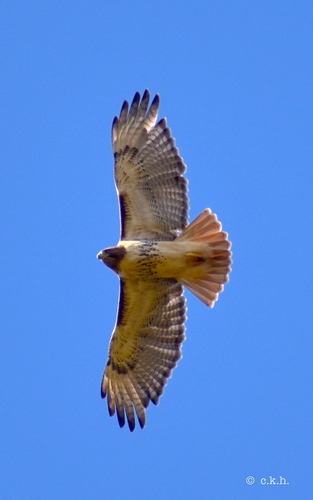
New Hampshire, US
Puedes ver Busardo Colirrojo, Cardenal Norteño y Chipping Sparrow.
Ver guía →
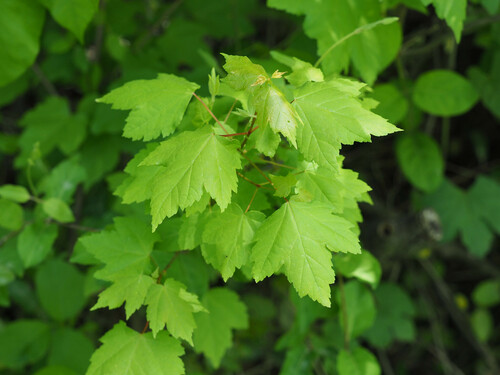
Virginia, US
Puedes ver Arce Rojo, Spotted Lanternfly y Cardenal Norteño.
Ver guía →

Virginia, US
Puedes ver Ciervo De Cola Blanca, Gorrión Común y Ardilla Gris Oriental.
Ver guía →

Virginia, US
Puedes ver Monarch, Tortuga De Caja Oriental y Mariquita Asiática.
Ver guía →
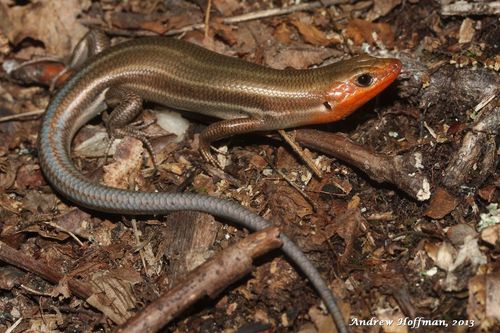
Virginia, US
Puedes ver Common Five-Lined Skink y Tortuga De Caja Oriental.
Ver guía →
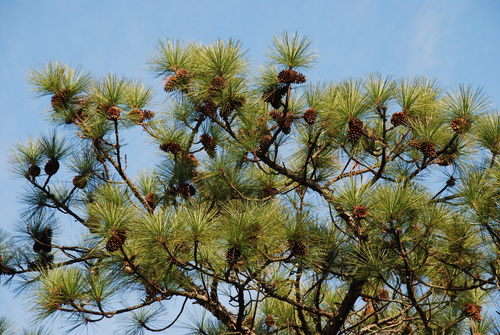
Virginia, US
Puedes ver Pines, Common Milkweed y Sweetbay Magnolia.
Ver guía →




.jpg&width=800)

.jpg&width=800)


_..._Filey_Brig_%2C_Yorkshire_(53266204391).jpg&width=800)


.jpg&width=800)