





Carposina scirrhosella
Carposina scirrhosella
La Carposina scirrhosella es una pequeña polilla de hermosas alas. Le encanta revolotear por jardines y campos, lo que la convierte en un espectáculo encantador para los amantes de la naturaleza.
Hábitat: Jardines y campos
La Carposina scirrhosella es una polilla pequeña, por lo general de color marrón grisáceo moteado, a veces con toques rojizos o manchas más oscuras en sus alas anteriores, lo que le ayuda a camuflarse. Sus alas posteriores son más pálidas y su cuerpo es velludo. Puede parecer un trozo de corteza o un excremento de pájaro.
Categoría
InsectosRareza
Common
Peligro
1/5 · Muy bajo
Snaps
¡Sé la primera persona en hacer un snap!
¡Las hembras pueden poner más de 100 huevos diminutos, generalmente en la piel de la fruta!
¡A sus larvas a veces se les llama 'gusanos de la fruta' porque viven dentro de las manzanas!
Son voladoras nocturnas, buscando árboles frutales huéspedes al amparo de la noche.
Esta polilla a menudo finge ser un excremento de pájaro para evitar ser devorada por los depredadores.
La Carposina scirrhosella tiene alas moteadas que le ayudan a camuflarse perfectamente en la corteza de los árboles, ocultándose de las aves hambrientas.
Las larvas de Carposina scirrhosella pueden hacer túneles en las frutas que maduran porque sus diminutas mandíbulas les permiten masticar la piel dura.
La Carposina scirrhosella usa antenas súper sensibles que le ayudan a detectar la fruta madura perfecta para poner sus huevos.
Las larvas de esta polilla comen el delicioso interior de las frutas que están madurando.
Diferencias por edad: Las larvas comen pulpa de fruta, mientras que los adultos pueden beber néctar o no alimentarse en absoluto.
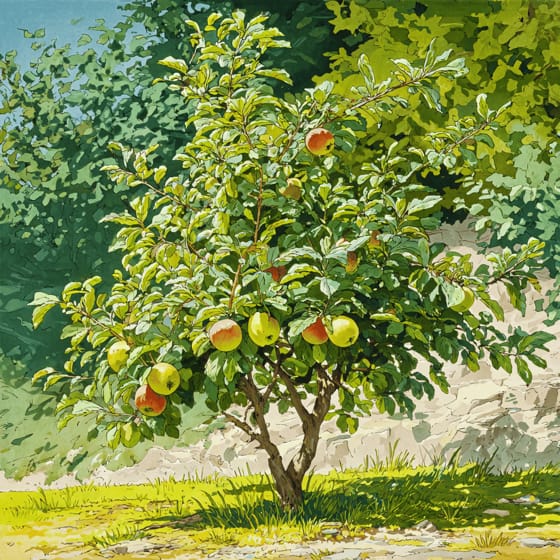
Malus domestica
Sus larvas excavan en la fruta.
%2C_Parc_de_Woluw%C3%A9%2C_Brussels_(13042792905).jpg&width=800)
Parus major
Estas aves se alimentan de las polillas y sus larvas.
Trichogramma pretiosum
Estas diminutas avispas ponen sus huevos dentro de los huevos de la polilla.
Los animales solitarios viven solos durante la mayor parte de su vida y solo interactúan con otros para aparearse o cuidar de sus crías.
Colorido describe a organismos u objetos que exhiben una amplia variedad de colores brillantes y distintivos.
Este rasgo caracteriza a los organismos cuya dieta consiste total o principalmente en material vegetal.
Describe plantas que son particularmente atractivas y beneficiosas para una amplia variedad de organismos polinizadores.

Los animales nocturnos están principalmente activos durante la noche, y suelen descansar o dormir durante el día.

Describe organismos que transfieren polen, permitiendo la fertilización y reproducción de las plantas.
Todavía no hay alias listados.
Peligro
1/5 · Muy bajo
Las polillas suelen ser inofensivas, pero es mejor observarlas desde la distancia.
La forma más fácil de identificar a Carposina scirrhosella es usar la aplicación de identificación de naturaleza Snappit.
14-20 mm
6-9 mm
14-28 días
Las larvas de esta polilla comen el delicioso interior de las frutas que están madurando.
Jardines y campos
Forrajeo
6
Acércate para separar los grupos y explorar dónde se ha fotografiado este objeto.
Los snaps recientes aparecerán aquí a medida que se añadan nuevas observaciones.
Llévate el descubrimiento
Haz una foto con Snappit, identifica la especie y guarda el hallazgo en tu colección.








.jpg&width=800)



