_(14586807078).jpg&width=800)





Carrotleaf Biscuitroot
Lomatium multifidum
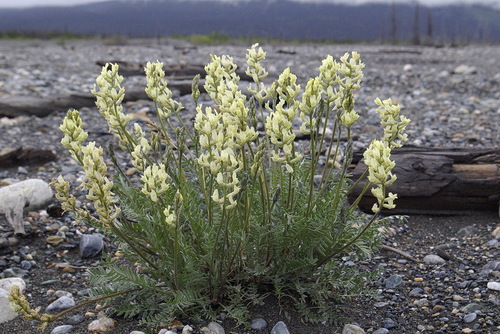
Carrotleaf Biscuitroot is a special plant with pretty yellow flowers and unique, carrot-like leaves. It grows in the wild and is a favorite among butterflies and bees!
Hábitat: Grasslands
The Carrotleaf Biscuitroot has finely dissected, fern-like leaves that resemble tiny carrot tops, growing in a basal rosette. Its small, bright yellow flowers are clustered in flat-topped umbrella-like structures, standing atop slender stems.
Categoría
PlantasRareza
Common
Peligro
1/5 · Muy bajo
Snaps
¡Sé la primera persona en hacer un snap!
Indigenous peoples traditionally dug up and ate its starchy roots, raw or cooked!
It's a distant relative of carrots, parsley, and dill, all in the same plant family!
Its seeds were used by Native American tribes as a nutty, celery-like seasoning for food!
This plant's deep taproot can grow surprisingly long, helping it survive long droughts!
Carrotleaf Biscuitroot can grow a long, thick taproot that helps it find deep water in dry, rocky soils to survive harsh conditions.
Carrotleaf Biscuitroot has finely divided leaves that reduce surface area, helping it cope with intense sunlight and minimize water loss.
Carrotleaf Biscuitroot has bright yellow flower clusters that act like a giant landing pad, helping it attract many different insect pollinators.
Carrotleaf Biscuitroot produces flattened, winged seeds that help them travel further on the wind, spreading to new locations.
Apis mellifera
attracted by its bright yellow flowers
Odocoileus hemionus
deer browse its leaves and stems
Bombus bifarius
a native bee collecting nectar and pollen
Las plantas aromáticas producen y emiten compuestos orgánicos volátiles fragantes, a menudo como defensa o para atraer a los polinizadores.
Las plantas con flores son cualquier planta que produce flores como parte de su ciclo reproductivo.
Las plantas bienales completan su ciclo de vida en dos temporadas de crecimiento, formando típicamente follaje en el primer año y floreciendo o semillando en el segundo.
Las plantas de floración primaveral producen sus flores durante la temporada de primavera, lo que a menudo significa el final del invierno y el comienzo de un nuevo crecimiento.

Las plantas medicinales poseen compuestos químicos que pueden utilizarse con fines terapéuticos para tratar enfermedades o mantener la salud.

Las plantas comestibles son aquellas partes de una planta que se consideran seguras para el consumo humano.

Describe plantas que son particularmente atractivas y beneficiosas para una amplia variedad de organismos polinizadores.

Los hábitats de pastizales son biomas terrestres dominados por pastos y plantas herbáceas, que sustentan a una variedad de animales de pastoreo.
Todavía no hay alias listados.
Peligro
1/5 · Muy bajo
Always look but don't touch wild plants unless a grown-up says it's safe.
15-45 cm
10-30 cm
0.2-0.4 cm
Spring to early Summer
Sí
Ninguna
Perenne
Insectos
Acércate para separar los grupos y explorar dónde se ha fotografiado este objeto.
Los snaps recientes aparecerán aquí a medida que se añadan nuevas observaciones.















.jpg&width=800)