Cascara
Frangula purshiana
Cascara is a small tree or shrub that grows in forests. It has shiny leaves and produces small berries that are loved by birds. People also use its bark for medicine!
Hábitat: Forests
The Cascara has thin, reddish-brown bark that often looks like cinnamon and smooth, oval leaves with prominent veins. Its tiny, greenish-yellow flowers bloom in clusters, later developing into small, dark purple-black berries.
Categoría
PlantasRareza
Common
Peligro
2/5 · Bajo
Snaps
¡Sé la primera persona en hacer un snap!
Cascara bark must be aged for at least one year before it can be used safely!
Its name "Cascara Sagrada" means "sacred bark" in Spanish!
Many butterflies and moths visit Cascara's small flowers for a sweet sip of nectar.
The inner bark turns bright yellow when exposed to air, then darkens over time.
Cascara has special compounds in its bark that have been used for traditional medicine for centuries to help tummy troubles.
It grows small, dark berries that birds love to eat, helping the tree spread its seeds to new places.
Apis mellifera
Collects nectar from its tiny flowers
Turdus migratorius
Feeds on its small, dark purple berries
Odocoileus hemionus
Browses its leaves and young twigs
Las plantas ornamentales se cultivan principalmente por su atractivo estético, embelleciendo paisajes y jardines con su atractivo follaje, flores o forma.
Un arbusto es una planta leñosa más pequeña que un árbol, típicamente con múltiples tallos que se ramifican desde o cerca del suelo.
Las plantas de hoja perenne conservan su follaje durante todo el año, sin perder nunca todas sus hojas a la vez.
Las plantas frutales producen frutos, que son los ovarios maduros de las plantas con flores que contienen semillas.

Las plantas medicinales poseen compuestos químicos que pueden utilizarse con fines terapéuticos para tratar enfermedades o mantener la salud.

Los árboles de hoja ancha son angiospermas caracterizadas por hojas planas y anchas que típicamente se caen anualmente en climas templados.

Las plantas comestibles son aquellas partes de una planta que se consideran seguras para el consumo humano.

Los hábitats boscosos son entornos terrestres dominados por una densa cubierta arbórea, que sustentan una gran diversidad de vida animal y vegetal.
Peligro
2/5 · Bajo
Do not eat any part of the plant without asking an adult first.
400-1500 cm
200-800 cm
0.3-0.6 cm
Late Spring - Early Summer
No
Leve
Perenne
Insectos
Acércate para separar los grupos y explorar dónde se ha fotografiado este objeto.
Los snaps recientes aparecerán aquí a medida que se añadan nuevas observaciones.

British Columbia, CA
Puedes ver Western Skunk Cabbage, Devil's Club y Pacific Ninebark.
Ver guía →
British Columbia, CA
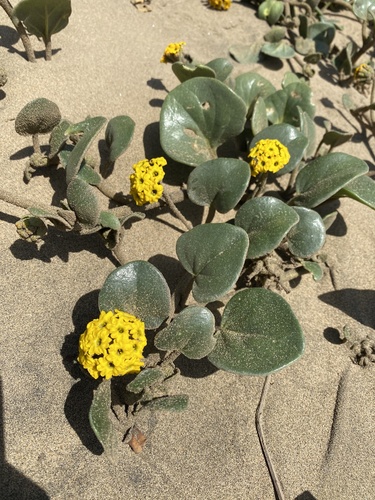
Puedes ver Yellow Sand Verbena, Barestem Biscuitroot y Field Sagewort.
Ver guía →