





Catalpas
Catalpa
Las catalpas son árboles hermosos con grandes hojas en forma de corazón y preciosas flores blancas. Pueden crecer muy alto y proporcionan sombra tanto para personas como para animales.
Hábitat: Áreas urbanas, bosques
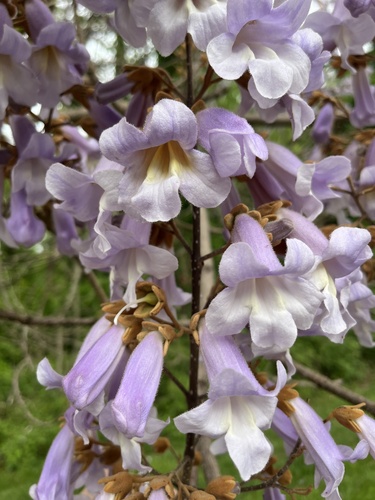
Las catalpas tienen hojas muy grandes de color verde brillante en forma de corazón y flores blancas distintivas en forma de campana, a menudo con manchas amarillas y moradas. Su característica más singular son las vainas largas, delgadas y parecidas a judías que cuelgan de las ramas y persisten durante el invierno.
Categoría
PlantasRareza
Common
Peligro
1/5 · Muy bajo
Snaps
¡Sé la primera persona en hacer un snap!
¡La madera de catalpa es naturalmente resistente a la putrefacción, lo que la hace súper fuerte!
¡Sus hojas gigantes en forma de corazón son de las más grandes de cualquier árbol!
¡Las vainas largas de sus semillas, llamadas 'judías indias', pueden colgar como fideos durante todo el invierno!
¡Algunas personas lo llaman el 'Árbol Cigarro' por su fruto largo y delgado!
Las catalpas tienen hojas enormes que proporcionan una amplia sombra, ayudándolas a conservar agua y a refrescar su entorno.
Las catalpas desarrollan vainas largas que se abren para liberar semillas aladas, ayudándolas a dispersarse lejos.
Las catalpas tienen flores vistosas y ricas en néctar que atraen a muchos insectos, asegurando una polinización exitosa.
Las catalpas tienen una madera dura y resistente a la putrefacción que les ayuda a soportar el mal tiempo y las plagas durante muchos años.
Bombus impatiens
Visita flores para néctar.

Ceratomia catalpae
Las larvas se alimentan de hojas de catalpa.
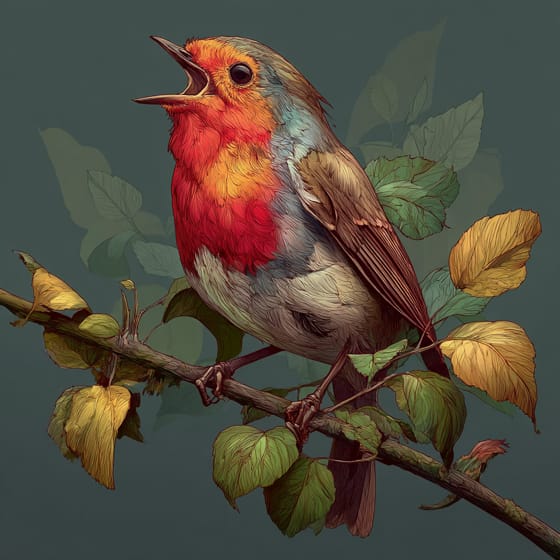
Turdus migratorius
Anida en la densa copa.
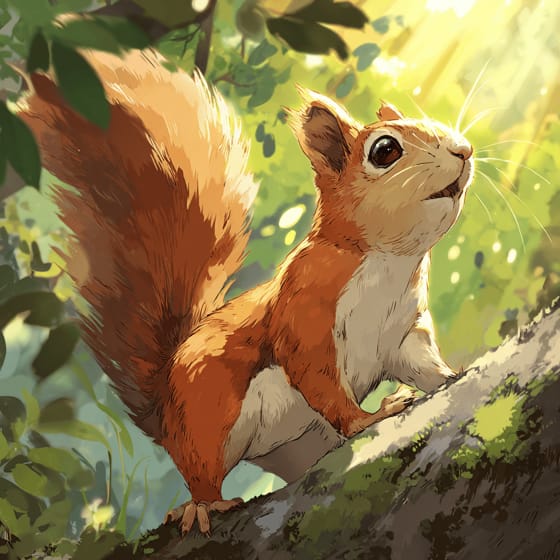
Sciurus carolinensis
Puede comer semillas de las vainas.
Las plantas caducifolias pierden periódicamente todas sus hojas, por lo general durante el otoño o las estaciones secas.
Las plantas con flores son cualquier planta que produce flores como parte de su ciclo reproductivo.
Las plantas de floración primaveral producen sus flores durante la temporada de primavera, lo que a menudo significa el final del invierno y el comienzo de un nuevo crecimiento.
Las plantas tolerantes a la sombra están adaptadas para crecer y prosperar en áreas con bajos niveles de luz, requiriendo menos luz solar directa.

Los árboles de hoja ancha son angiospermas caracterizadas por hojas planas y anchas que típicamente se caen anualmente en climas templados.

Describe plantas que son particularmente atractivas y beneficiosas para una amplia variedad de organismos polinizadores.

Los hábitats boscosos son entornos terrestres dominados por una densa cubierta arbórea, que sustentan una gran diversidad de vida animal y vegetal.

Esta característica de hábitat indica especies que pueden coexistir con los humanos en entornos urbanos y suburbanos, utilizando estructuras artificiales y espacios verdes.
Peligro
1/5 · Muy bajo
Permanece siempre en los senderos al explorar alrededor de los árboles para evitar tropiezos.
La forma más fácil de identificar a Catalpas es usar la aplicación de identificación de naturaleza Snappit.
1000-1800 cm
600-1200 cm
3-5 cm
Late spring to early summer
No
Leve
Perenne
Acércate para separar los grupos y explorar dónde se ha fotografiado este objeto.
Los snaps recientes aparecerán aquí a medida que se añadan nuevas observaciones.
Llévate el descubrimiento
Haz una foto con Snappit, identifica la especie y guarda el hallazgo en tu colección.







.jpg&width=800)


_001.jpg&width=800)



