





Chaetorellia
Chaetorellia
Chaetorellia es un insecto diminuto al que le encanta vivir en las plantas. Tiene una forma especial de ayudar a las plantas a crecer, haciéndolas más sanas y fuertes.
Hábitat: Jardines
La Chaetorellia es una mosca pequeña y rechoncha, típicamente de color marrón amarillento, con ojos grandes y prominentes. Su característica más distintiva son sus alas bellamente estampadas, a menudo adornadas con bandas o manchas oscuras, lo que la distingue de las moscas comunes.
Categoría
InsectosRareza
Common
Peligro
1/5 · Muy bajo
Snaps
¡Sé la primera persona en hacer un snap!
Las larvas de Chaetorellia son expertas comedoras de semillas, a menudo impidiendo que las semillas de cardo crezcan.
¡Algunos tipos de moscas Chaetorellia son utilizados por la gente para ayudar a controlar las molestas malas hierbas!
Sus huevos están escondidos en lo profundo de las flores de las plantas, convirtiéndolos en escondites súper secretos.
Estas pequeñas moscas no pican a los humanos ni transmiten enfermedades, simplemente aman las plantas.
Las larvas de Chaetorellia son herbívoras, se alimentan dentro de las flores, mientras que los adultos disfrutan del dulce néctar de las flores.
Diferencias por edad: Las larvas consumen tejidos vegetales, mientras que los adultos se alimentan principalmente de néctar y mielato.
Centaurea solstitialis
Las larvas se alimentan y desarrollan dentro de sus cabezas de flores.
Cirsium arvense
Las larvas se alimentan y crecen dentro de sus cabezas de flores.
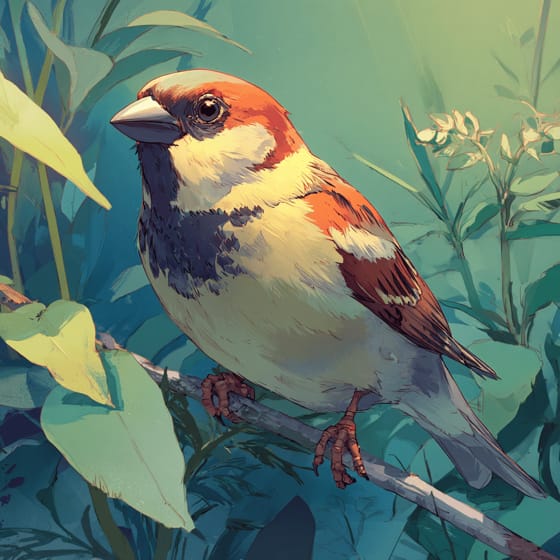
Passer domesticus
Las moscas Chaetorellia adultas pueden ser una fuente de alimento.
Araniella cucurbitina
Las arañas depredan moscas Chaetorellia adultas.
Los animales sociales viven en grupos organizados, cooperando para obtener beneficios de supervivencia como la búsqueda de alimento, la defensa y la cría de descendencia.
Este rasgo caracteriza a los organismos cuya dieta consiste total o principalmente en material vegetal.
Describe una relación entre dos especies diferentes en la que viven estrechamente asociadas, a menudo beneficiando a una o a ambas.
Describe una especie cuya presencia y papel tienen un efecto desproporcionadamente grande en su entorno.

Relativo a especies que son significativamente más pequeñas que lo típico o promedio de su tipo.

Esta característica de hábitat indica especies que pueden coexistir con los humanos en entornos urbanos y suburbanos, utilizando estructuras artificiales y espacios verdes.

Describe organismos que transfieren polen, permitiendo la fertilización y reproducción de las plantas.
Todavía no hay alias listados.
Peligro
1/5 · Muy bajo
Es mejor observar los insectos a distancia y no tocarlos.
La forma más fácil de identificar a Chaetorellia es usar la aplicación de identificación de naturaleza Snappit.
4-10 mm
2-5 mm
15-40 días
1-3 km/h
Las larvas de Chaetorellia son herbívoras, se alimentan dentro de las flores, mientras que los adultos disfrutan del dulce néctar de las flores.
Jardines
Forrajeo
Acércate para separar los grupos y explorar dónde se ha fotografiado este objeto.
Los snaps recientes aparecerán aquí a medida que se añadan nuevas observaciones.
Llévate el descubrimiento
Haz una foto con Snappit, identifica la especie y guarda el hallazgo en tu colección.








.jpg&width=800)



