






Chalk-fronted Corporal
Ladona julia
The Chalk-fronted Corporal is a beautiful dragonfly with a chalky white stripe on its face. It loves to fly around ponds and wetlands, showing off its shiny wings in the sun.
Hábitat: Wetlands
The Chalk-fronted Corporal has a dark body. Males develop a distinctive chalky white coating on the front of their thorax and abdomen as they mature. Both sexes feature striking dark patches at the base of their wings and a dark spot near the wingtips.
Categoría
InsectosRareza
Common
Peligro
1/5 · Muy bajo
Snaps
¡Sé la primera persona en hacer un snap!
A dragonfly's eyes have up to 30,000 tiny lenses, giving them incredible 360-degree vision!
Dragonflies are among the fastest insects, capable of flying faster than you can run!
They are ancient insects, having flown the Earth for over 300 million years!
Young Chalk-fronted Corporals live underwater for years, breathing through gills like fish!
Chalk-fronted Corporal can fly backward, hover, and dart rapidly, helping them catch fast-moving insect prey mid-flight.
Chalk-fronted Corporal nymphs live underwater and have a unique hinged jaw that shoots out to grab aquatic prey.
Chalk-fronted Corporal males develop a chalky white coating on their body as they age, helping them attract mates.
A swift aerial hunter, it snatches up various flying insects right out of the air!
Diferencias por edad: Larvae (naiads) eat aquatic invertebrates; adults eat flying insects.
Anopheles quadrimaculatus
Adults swiftly catch and eat mosquitoes.
Rana catesbeiana
Larvae become food for hungry frogs.
Esox lucius
Fish, like pike, prey on the aquatic larvae.
Los animales solitarios viven solos durante la mayor parte de su vida y solo interactúan con otros para aparearse o cuidar de sus crías.
Las criaturas aéreas pasan una parte importante de su vida en el aire, utilizando el vuelo para diversas actividades como la caza, la migración o la anidación.
Colorido describe a organismos u objetos que exhiben una amplia variedad de colores brillantes y distintivos.
Este rasgo identifica a los organismos cuya dieta consiste principalmente en insectos y otros pequeños invertebrados.

Este rasgo de hábitat identifica especies que se encuentran en humedales, que son áreas de tierra saturadas de agua, ya sea permanente o estacionalmente, e incluyen marismas, pantanos y ciénagas.

Los hábitats de agua dulce incluyen entornos acuáticos no salinos como ríos, lagos, estanques y humedales, vitales para numerosas especies.

Los animales diurnos están activos principalmente durante el día y suelen descansar o dormir por la noche.

Describe una especie cuya presencia y papel tienen un efecto desproporcionadamente grande en su entorno.

Este rasgo identifica a los organismos que exhiben una rapidez excepcional en sus movimientos para cazar, escapar o desplazarse.

Describe organismos que transfieren polen, permitiendo la fertilización y reproducción de las plantas.
Todavía no hay alias listados.
Peligro
1/5 · Muy bajo
Dragonflies are harmless and fun to watch, but don't try to catch them.
60-80 mm
38-48 mm
28-60 días
45 km/h
A swift aerial hunter, it snatches up various flying insects right out of the air!
Wetlands
Pursuit
6
Acércate para separar los grupos y explorar dónde se ha fotografiado este objeto.
Los snaps recientes aparecerán aquí a medida que se añadan nuevas observaciones.
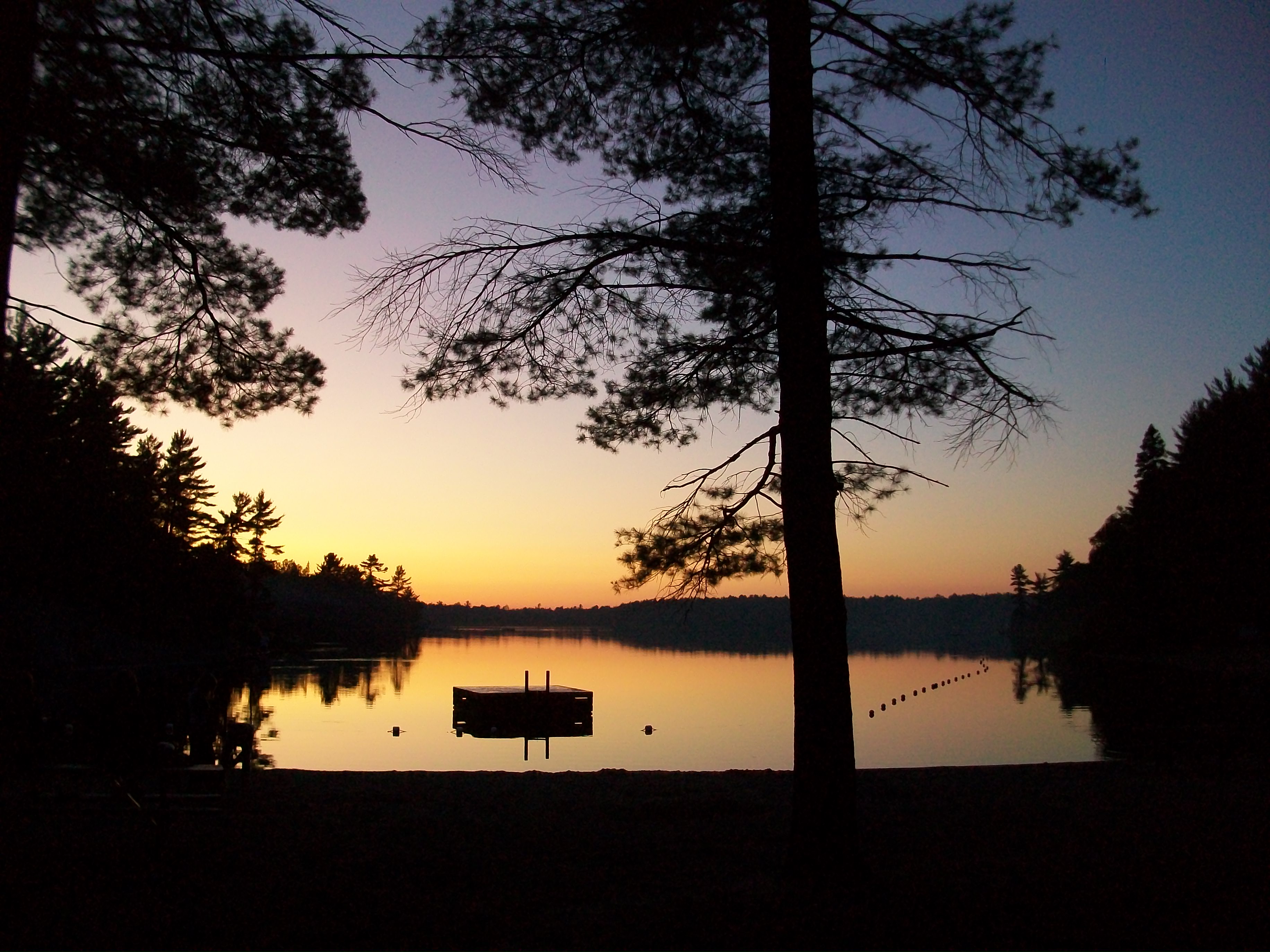
Ontario, CA
Puedes ver Tortuga Pintada, Common Watersnake y Bristly Sarsaparilla.
Ver guía →

British Columbia, CA
Puedes ver Western Skunk Cabbage, Devil's Club y Pacific Ninebark.
Ver guía →
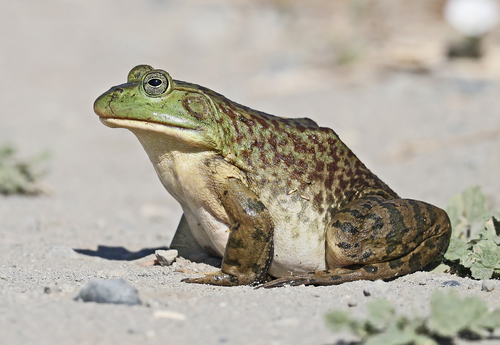
British Columbia, CA
Puedes ver Rana Toro Americana, Salal y Culebra De Liga.
Ver guía →
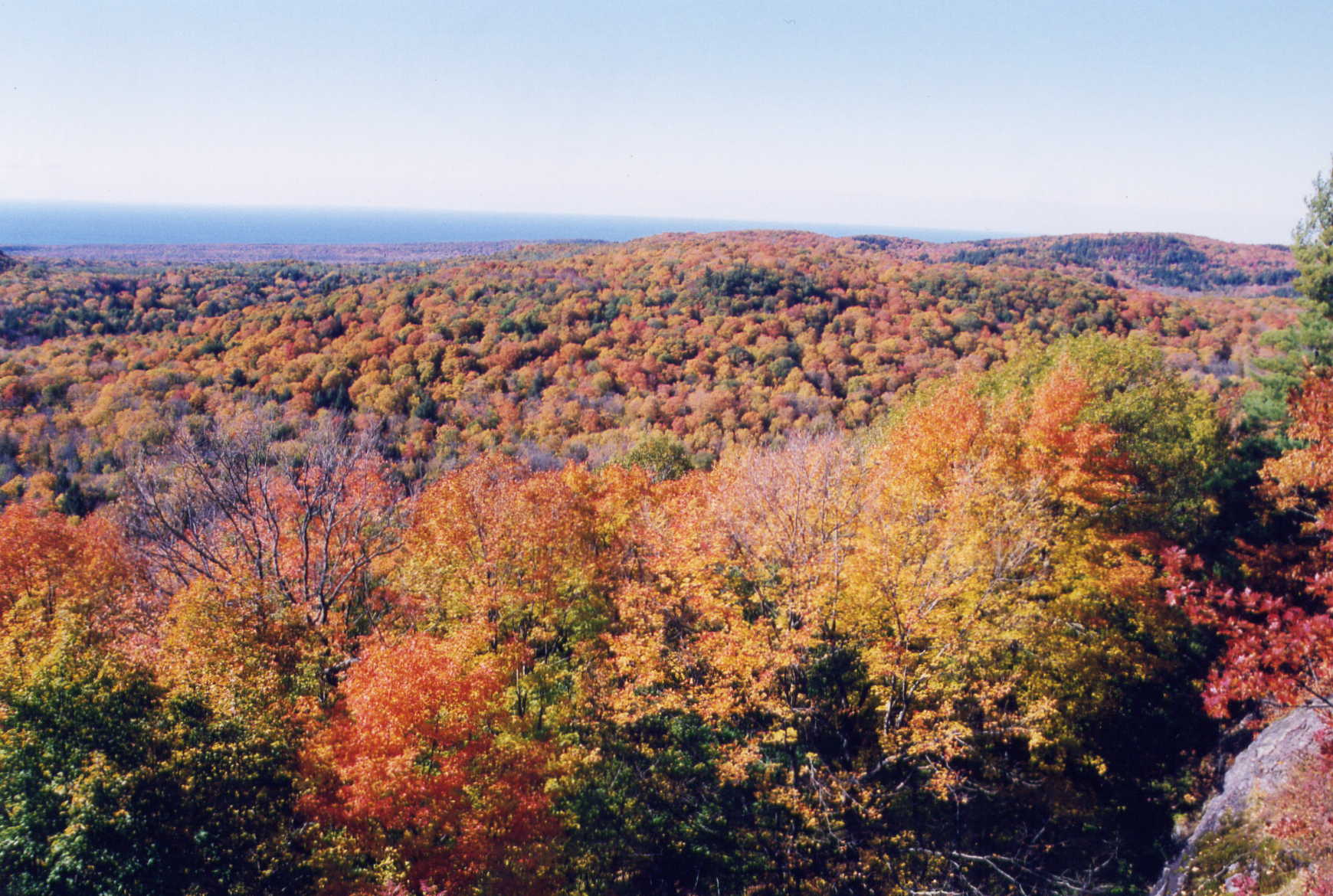
Michigan, US
Puedes ver Tree Lungwort, Shining Firmoss y Sapo Americano.
Ver guía →





_(7558922774).jpg&width=800)





.jpg&width=800)
