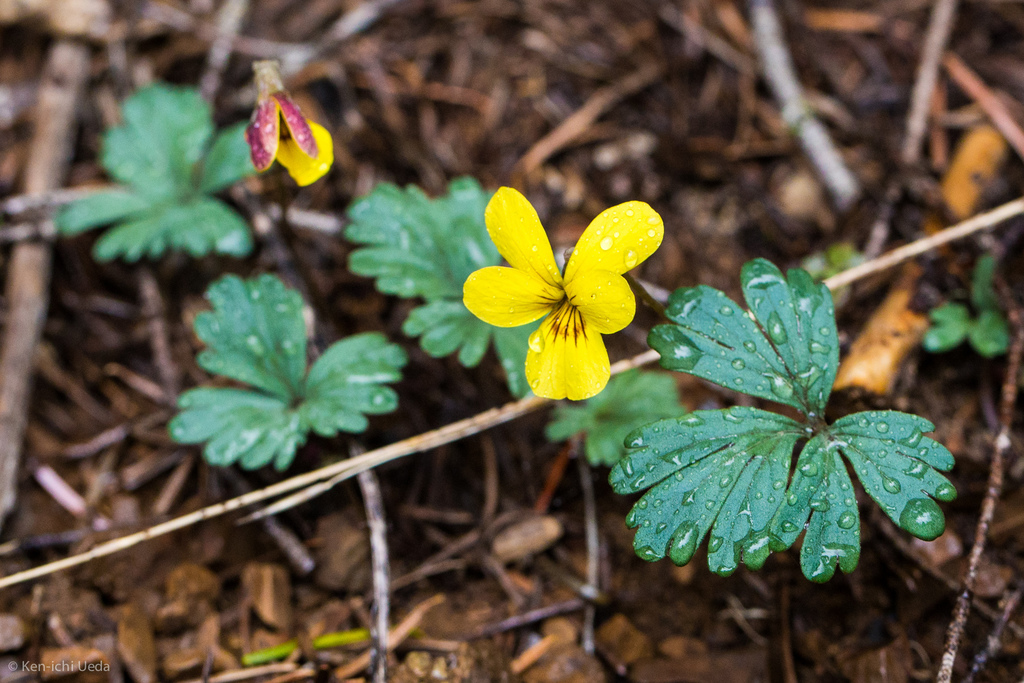





Chamaemelanium
Chamaemelanium
Chamaemelanium es una planta encantadora que aporta un toque de color a los jardines. ¡Sus flores brillantes atraen mariposas y abejas, lo que la convierte en una favorita para los amantes de la naturaleza!
Hábitat: Jardines
Chamaemelanium tiene delicadas flores parecidas a margaritas con vibrantes centros amarillo dorado rodeados de pétalos que cambian de lavanda pálido a violeta intenso. Sus tallos esbeltos y erguidos están cubiertos de hojas verdes finamente diseccionadas y plumosas, creando una apariencia suave y aireada que se destaca en los prados.
Categoría
PlantasRareza
Común
Peligro
1/5 · Muy bajo
Snaps
¡Sé la primera persona en hacer un snap!
¡Si frotan suavemente sus hojas, a veces huelen a manzanas frescas!
¡Sus raíces liberan químicos especiales que ayudan a otras plantas cercanas a crecer más fuertes!
¡Sus semillas son tan diminutas que miles podrían caber en la punta de tu dedo!
¡Algunas culturas antiguas creían que sus flores traían buenos sueños y un sueño reparador!
Chamaemelanium puede girar lentamente sus flores para seguir al sol, maximizando la fotosíntesis a lo largo del día.
Chamaemelanium tiene diminutos pelos plateados en sus hojas que reducen la pérdida de agua, ayudándola a sobrevivir períodos secos.
Chamaemelanium libera una fragancia dulce, similar a la manzana, para atraer insectos polinizadores específicos desde lejos.
Apis mellifera
recoge néctar y polen
Pieris rapae
visita flores en busca de néctar

Oryctolagus cuniculus
los conejos mordisquean sus hojas jóvenes
Las plantas ornamentales se cultivan principalmente por su atractivo estético, embelleciendo paisajes y jardines con su atractivo follaje, flores o forma.
Las plantas de floración de verano producen sus flores durante la temporada estival, a menudo aportando un color vibrante cuando muchas otras plantas ya han terminado de florecer.
Las flores fragantes emiten un aroma agradable, a menudo para atraer polinizadores o como defensa.
Colorido describe a organismos u objetos que exhiben una amplia variedad de colores brillantes y distintivos.
Describe plantas que son particularmente atractivas y beneficiosas para una amplia variedad de organismos polinizadores.
Esta característica de hábitat indica especies que pueden coexistir con los humanos en entornos urbanos y suburbanos, utilizando estructuras artificiales y espacios verdes.
Todavía no hay alias listados.
Peligro
1/5 · Muy bajo
¡Siempre lávense las manos después de tocar plantas, solo para estar seguros!
Cuenta los pétalos cuando puedas y compara después el centro de la flor, su simetría, cómo se agrupan las flores y las hojas de debajo. El color varía entre variedades de jardín y cambia con la luz. Identificador de flores: sube una foto y compara los detalles visibles.
20-60 cm
15-40 cm
1-3 cm
Late spring to early fall
Sí
Ninguna
Perenne
Acércate para separar los grupos y explorar dónde se ha fotografiado este objeto.
Los snaps recientes aparecerán aquí a medida que se añadan nuevas observaciones.
Llévate el descubrimiento
Haz una foto con Snappit, identifica la especie y guarda el hallazgo en tu colección.