





chaparral pea
Pickeringia montana
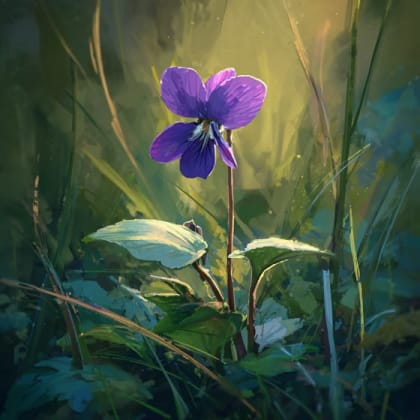
The chaparral pea is a beautiful shrub with bright purple flowers. It grows in sunny areas and helps make the environment colorful and lively.
Hábitat: Mountain regions
The chaparral pea is a robust, spiny shrub adorned with striking reddish-purple, pea-like flowers. Its dark green, compound leaves have three leaflets, giving it a distinct texture. These vibrant blossoms create a beautiful contrast against its sturdy, woody stems.
Categoría
PlantasRareza
Common
Peligro
1/5 · Muy bajo
Snaps
¡Sé la primera persona en hacer un snap!
It's like a living fortress, with spiny branches guarding its leaves from browsers!
Its scientific name, Pickeringia, honors American botanist Charles Pickering.
The chaparral pea's wood is so hard, it was once used to make small, strong tools.
This tough plant can live for many decades, some even over 100 years!
Chaparral pea has thick bark and can resprout from its root crown after a wildfire, helping it survive and thrive in burn areas.
Chaparral pea can pull nitrogen from the air and put it into the soil, acting like a natural fertilizer to help other plants grow.
Chaparral pea has deep roots that can reach water far below the surface, allowing it to stay green during dry periods.
Apis mellifera
collects nectar and pollen
Bombus vosnesenskii
collects nectar and pollen
Odocoileus hemionus
browses on tender leaves and shoots
Describe a los organismos capaces de convertir el nitrógeno atmosférico en compuestos utilizables por las plantas.
Las plantas con flores son cualquier planta que produce flores como parte de su ciclo reproductivo.
Un arbusto es una planta leñosa más pequeña que un árbol, típicamente con múltiples tallos que se ramifican desde o cerca del suelo.
Las plantas de hoja perenne conservan su follaje durante todo el año, sin perder nunca todas sus hojas a la vez.

Las plantas tolerantes a la sequía pueden sobrevivir y florecer en condiciones de escasa disponibilidad de agua.

Colorido describe a organismos u objetos que exhiben una amplia variedad de colores brillantes y distintivos.

Describe plantas que son particularmente atractivas y beneficiosas para una amplia variedad de organismos polinizadores.

Este rasgo de hábitat identifica a las especies que se encuentran en regiones montañosas, caracterizadas por su gran altitud, pendientes pronunciadas y zonas climáticas variables.
Todavía no hay alias listados.
Peligro
1/5 · Muy bajo
Always look but don't touch plants without asking an adult, as some might not be safe.
100-300 cm
100-200 cm
1-2 cm
Spring-Early Summer
No
Ninguna
Perenne
Insectos
Acércate para separar los grupos y explorar dónde se ha fotografiado este objeto.
Los snaps recientes aparecerán aquí a medida que se añadan nuevas observaciones.















_v2.jpg&width=800)
