

Cheirolophus Teydis
cheirolophus teydis
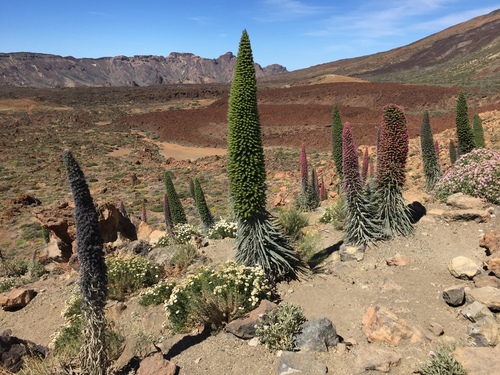
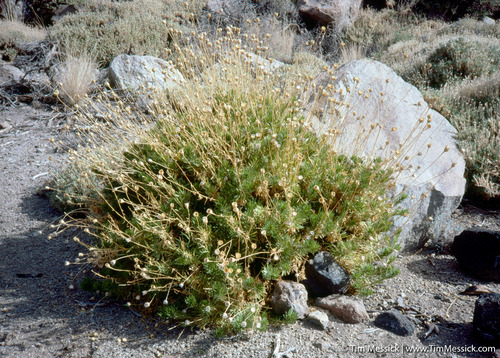
Cheirolophus teydis, comúnmente conocido como cardo de Teide o Cabezón del Teide, es un llamativo arbusto perenne endémico de las laderas volcánicas de alta altitud de Tenerife y La Palma en las Islas Canarias. Creciendo robustamente en las duras zonas subalpinas bañadas por el sol, esta planta resistente es un magnífico ejemplo de adaptación insular. Destaca por su forma globosa y tallos erguidos coronados por capítulos florales de color amarillo pálido, parecidos a cardos. Históricamente, ha sobrevivido en algunos de los entornos rocosos más estériles del Teide, adaptándose maravillosamente a suelos pobres en nutrientes y fluctuaciones extremas de temperatura. Esta especie juega un importante papel ecológico en su hábitat restringido, ofreciendo polen y néctar a insectos nativos como el abejorro endémico en áreas donde pocas otras plantas pueden prosperar. Los visitantes del Parque Nacional del Teide a finales de primavera suelen deleitarse con la espectacular vista de estos arbustos en plena floración.
Hábitat: Se encuentra en matorrales subalpinos de alta altitud y laderas volcánicas rocosas de las Islas Canarias, principalmente entre 1.800 y 2.200 metros sobre el nivel del mar.
Cheirolophus teydis es un arbusto leñoso de tamaño mediano a grande que alcanza alturas entre 100 y 200 cm. Presenta hojas largas, lanceoladas, de color verde pálido con márgenes serrados que se agrupan densamente en las puntas de sus tallos ramificados. El identificador más distintivo son sus grandes capítulos florales de color amarillo pálido a blanquecino, rodeados por numerosas brácteas superpuestas, parecidas a escamas, con bordes ligeramente fimbriados. Estos capítulos florales globulares se asientan sobre tallos largos y sin hojas, haciéndolos muy visibles contra el follaje de la planta.
Categoría
PlantasRareza
Común
Peligro
1/5 · Muy bajo
Snaps
¡Sé la primera persona en hacer un snap!
Debido al intenso pastoreo de conejos y cabras introducidos, muchos de los especímenes silvestres restantes se restringen a acantilados verticales inaccesibles.
El epíteto específico 'teydis' se refiere directamente al Teide, el imponente volcán de Tenerife donde esta especie fue descrita por primera vez.
Esta planta es un 'fósil viviente' de las Islas Canarias, perteneciente a un género que experimentó una rápida radiación evolutiva en el archipiélago.
Posee un sistema radicular altamente especializado capaz de anclarse y extraer humedad de lapilli volcánico suelto y seco.
Presenta superficies foliares cerosas y coriáceas que limitan la pérdida de agua bajo intensa radiación solar subalpina y vientos secos.
Produce semillas ligeras dispersadas por el viento, equipadas con un vilano, lo que les permite colonizar grietas rocosas aisladas.
Como planta fotoautótrofa, Cheirolophus teydis produce su propio alimento a través de la fotosíntesis, utilizando la luz solar, el dióxido de carbono, el agua y los minerales de los suelos volcánicos.

Capra hircus
Las cabras salvajes pastan intensamente en esta planta en peligro, lo que representa una amenaza significativa para su supervivencia.
Gallotia galloti
Un lagarto endémico se alimenta de las flores y frutos, ayudando en la dispersión de semillas.
Bombus canariensis
Polinizador nativo que visita los capítulos florales de color amarillo pálido para recolectar néctar y polen.
Aún no hay insignias de rasgos asignadas a este objeto.
Todavía no hay alias listados.
Las colecciones para este objeto aparecerán aquí a medida que se añadan más temas.
Peligro
1/5 · Muy bajo
Todavía no hay notas especiales de seguridad.
Empieza por la planta entera y luego compara la disposición de las hojas, sus bordes, los tallos y las flores o frutos, si los hay. Las hojas opuestas crecen en parejas; las alternas salen de una en una a lo largo del tallo. Juntos, estos detalles dicen mucho más que una sola hoja verde. Identificador de plantas: sube una foto y compara los detalles visibles.
100-200 cm
5-15 años
Como planta fotoautótrofa, Cheirolophus teydis produce su propio alimento a través de la fotosíntesis, utilizando la luz solar, el dióxido de carbono, el agua y los minerales de los suelos volcánicos.
Se encuentra en matorrales subalpinos de alta altitud y laderas volcánicas rocosas de las Islas Canarias, principalmente entre 1.800 y 2.200 metros sobre el nivel del mar.
Fotosíntesis
Acércate para separar los grupos y explorar dónde se ha fotografiado este objeto.
Los snaps recientes aparecerán aquí a medida que se añadan nuevas observaciones.
Llévate el descubrimiento
Haz una foto con Snappit, identifica la especie y guarda el hallazgo en tu colección.