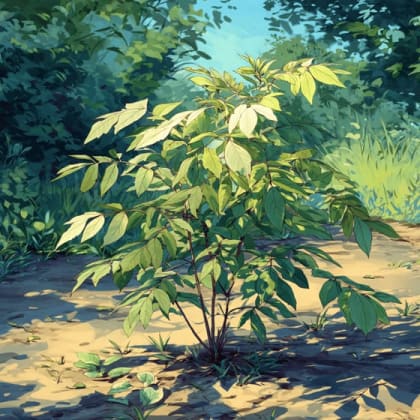
Cherry Blossom
Prunus serrulata
Cherry Blossoms are beautiful trees with pink or white flowers that bloom in spring. They are often seen in parks and gardens, bringing joy with their delicate petals.
Hábitat: Parks, Gardens
The Cherry Blossom is a breathtaking tree, famous for its abundant clusters of delicate pink or white flowers that burst open in spring. Its smooth, often reddish-brown bark and spreading canopy make it a distinctive sight. The blossoms often have notched petals, setting them apart.
Categoría
ÁrbolesRareza
Common
Peligro
1/5 · Muy bajo
Snaps
¡Sé la primera persona en hacer un snap!
Cherry Blossom petals often fall like pink snow, creating beautiful, temporary carpets on the ground!
Some rare cherry blossoms can mysteriously change color, starting pink and fading to white over their bloom!
The spectacular bloom of a cherry blossom tree usually lasts only about one to two weeks!
There are over 100 different types of cherry blossom trees, each with unique flower shapes!
Cherry Blossom can perfectly time its dazzling bloom with spring's warmth, ensuring optimal conditions for pollination and new growth.
Cherry Blossom has vibrant, fragrant flowers that brilliantly attract bees and other insects, ensuring its seeds are spread widely.
Cherry Blossom can shed its leaves in autumn to conserve energy, allowing it to survive winter and burst forth with new life in spring.
Cherry Blossom has small, tart fruits that become a vital food source for many bird species after its beautiful petals have fallen.
Apis mellifera
collects nectar and pollen from flowers
Bombus impatiens
visits blossoms for sweet nectar and pollen
Turdus migratorius
feasts on the small, tart cherry fruits in summer
Bombycilla cedrorum
eats the cherries, helping disperse seeds
Las plantas caducifolias pierden periódicamente todas sus hojas, por lo general durante el otoño o las estaciones secas.
Las plantas con flores son cualquier planta que produce flores como parte de su ciclo reproductivo.
Las plantas ornamentales se cultivan principalmente por su atractivo estético, embelleciendo paisajes y jardines con su atractivo follaje, flores o forma.
Las plantas de floración primaveral producen sus flores durante la temporada de primavera, lo que a menudo significa el final del invierno y el comienzo de un nuevo crecimiento.

Las flores fragantes emiten un aroma agradable, a menudo para atraer polinizadores o como defensa.

Este rasgo caracteriza a los organismos con una esperanza de vida excepcionalmente larga en comparación con otros de su especie.

Esta característica de hábitat indica especies que pueden coexistir con los humanos en entornos urbanos y suburbanos, utilizando estructuras artificiales y espacios verdes.
Peligro
1/5 · Muy bajo
Enjoy the beauty of Cherry Blossoms from a distance and avoid climbing or shaking the trees.
8-15 m
5-10 m
Sí
30-60 cm
25-50 años
Parks, Gardens
Small drupe (cherry)
Medio
Acércate para separar los grupos y explorar dónde se ha fotografiado este objeto.
Los snaps recientes aparecerán aquí a medida que se añadan nuevas observaciones.