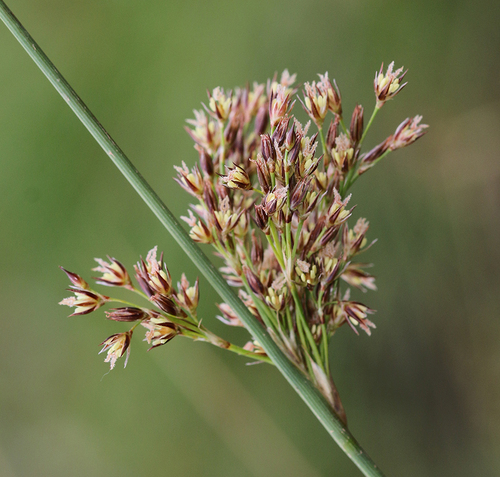
Chinese Holly
ilex cornuta
Chinese Holly is a beautiful plant with shiny green leaves and bright red berries! It's a great addition to gardens and can attract birds looking for food.
Hábitat: Chinese Holly is commonly found in gardens and parks, often in temperate climates.
The Chinese Holly has striking dark green leaves that are often rectangular and extremely glossy, featuring sharp, spiky edges. Its most distinctive feature is the abundance of bright, cherry-red berries that ripen in fall and remain vibrant throughout winter.
Categoría
PlantasRareza
Common
Peligro
1/5 · Muy bajo
Snaps
¡Sé la primera persona en hacer un snap!
It can live for many decades, growing into a grand old bush or tree!
Its glossy leaves are so shiny they almost look fake!
Some Chinese Holly plants only produce male or female flowers, needing a partner to make berries!
The scientific name 'cornuta' means 'horned,' like its pointy leaves!
Chinese Holly has extra-sharp leaf spines that deter hungry animals from munching on its foliage, keeping it safe.
Its bright red berries persist through winter, offering a vital food source for birds when other foods are scarce.
Chinese Holly stays green all year, allowing it to photosynthesize even in colder months when other plants lose leaves.
Apis mellifera
collects nectar and pollen
Turdus mandarinus
eats its winter berries
%2C_Parc_de_Woluw%C3%A9%2C_Brussels_(13042792905).jpg&width=800)
Parus major
nests in its dense branches
Los animales arborícolas viven principalmente en los árboles, utilizándolos como refugio, alimento y protección contra los depredadores.
Colorido describe a organismos u objetos que exhiben una amplia variedad de colores brillantes y distintivos.
Este rasgo caracteriza a los organismos cuya dieta consiste total o principalmente en material vegetal.
Los hábitats boscosos son entornos terrestres dominados por una densa cubierta arbórea, que sustentan una gran diversidad de vida animal y vegetal.

Describe organismos que transfieren polen, permitiendo la fertilización y reproducción de las plantas.
Peligro
1/5 · Muy bajo
Todavía no hay notas especiales de seguridad.
300-800 cm
200-400 cm
0.5-1 cm
Primavera
No
Leve
mild
Perenne
Acércate para separar los grupos y explorar dónde se ha fotografiado este objeto.
Los snaps recientes aparecerán aquí a medida que se añadan nuevas observaciones.