_(39660989151).jpg&width=800)





Chukar
Alectoris chukar
Chukars are colorful birds that love to run and hide in the grass. They have a special call that sounds like a cheerful 'chuk-chuk'! These birds are great at blending in with their surroundings.
Hábitat: Grasslands
The Chukar is a plump, grey-brown bird with a distinctive black band running from its forehead, through the eyes, down the neck, and forming a gorget around a white throat. Its flanks are boldly striped black and white, and it has bright red legs and a red bill.
Categoría
AvesRareza
Common
Peligro
1/5 · Muy bajo
Snaps
¡Sé la primera persona en hacer un snap!
Chukar birds often live in large family groups called coveys, sometimes with over 20 birds!
Chukars will sometimes share their nesting duties with another female bird!
Their name, 'Chukar,' sounds just like their loud, repeated call!
They love to sunbathe, stretching out to soak up the warmth on rocks.
Chukar can quickly navigate steep, rocky slopes because of its strong legs and nimble footing.
Chukar has a loud, distinctive 'chukar-chukar' call that helps them warn their group of danger.
Chukar can take dust baths which helps them clean their feathers and remove parasites.
Chukar can burst into short, powerful flights to escape predators from cover.
These ground birds primarily eat seeds, grasses, and leaves, with some tasty insects added in!
Diferencias por edad: Young chicks eat more insects for protein, while adults mainly consume plants.
Aquila chrysaetos
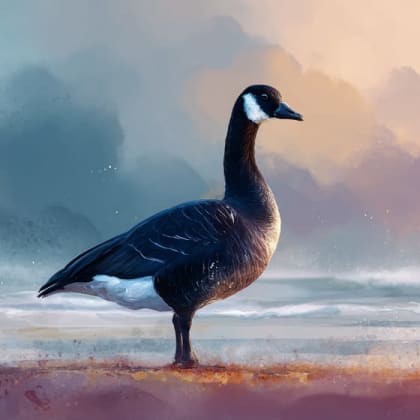
A powerful bird of prey that hunts adult Chukars.
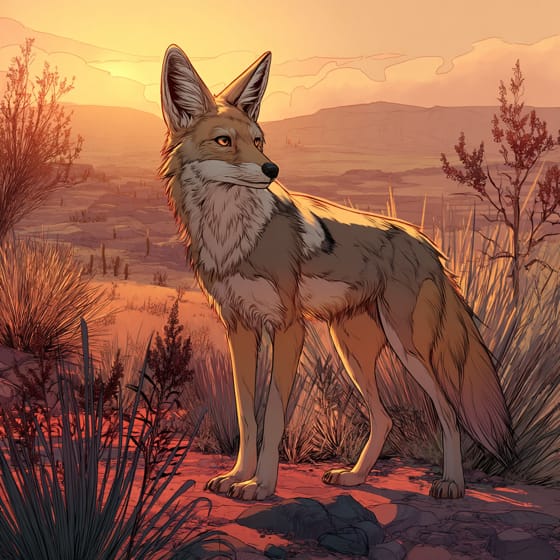
Canis latrans
A common predator that ambushes Chukars on the ground.

Bromus tectorum
Chukars consume the seeds of this common invasive grass.

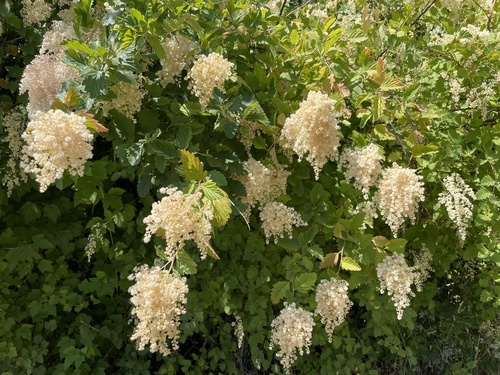
Artemisia tridentata
Provides vital cover and some food for Chukars in arid habitats.
Describe a los animales, principalmente aves, que poseen una cubierta de plumas.
Los animales sociales viven en grupos organizados, cooperando para obtener beneficios de supervivencia como la búsqueda de alimento, la defensa y la cría de descendencia.
Los animales cantores producen vocalizaciones complejas, a menudo con el propósito de atraer parejas, defender el territorio o comunicarse dentro de su especie.
El camuflaje describe a los organismos que poseen colores o patrones que les permiten mezclarse con su entorno.

Colorido describe a organismos u objetos que exhiben una amplia variedad de colores brillantes y distintivos.

Este rasgo caracteriza a los organismos cuya dieta consiste total o principalmente en material vegetal.

Los hábitats de pastizales son biomas terrestres dominados por pastos y plantas herbáceas, que sustentan a una variedad de animales de pastoreo.

Los animales diurnos están activos principalmente durante el día y suelen descansar o dormir por la noche.

Este rasgo identifica a los organismos que exhiben una rapidez excepcional en sus movimientos para cazar, escapar o desplazarse.
Todavía no hay alias listados.
Peligro
1/5 · Muy bajo
Always watch birds from a distance and be quiet so you don’t scare them away.
32-39 cm
47-53 cm
0.45-0.8 kg
3-5 años
70 km/h
These ground birds primarily eat seeds, grasses, and leaves, with some tasty insects added in!
Grasslands
Foraging
Acércate para separar los grupos y explorar dónde se ha fotografiado este objeto.
Los snaps recientes aparecerán aquí a medida que se añadan nuevas observaciones.






_(6777353237).jpg&width=800)