


Citipati
Citipati osmolskae
El Citipati fue un dinosaurio prehistórico conocido por sus características distintivas. Los científicos estudian sus huesos para aprender cómo vivían los dinosaurios.
Hábitat: Bosques y llanuras aluviales del Mesozoico
El Citipati tiene un cuerpo similar al de una avestruz cubierto de plumas, un cráneo relativamente corto y profundo con grandes cuencas oculares, y un pico corto y potente. Se movía sobre dos patas largas y delgadas, dándole una postura similar a la de un ave, probablemente adornado con tonos terrosos para camuflaje.
Categoría
AncientRareza
Rare
Peligro
1/5 · Muy bajo
Snaps
¡Sé la primera persona en hacer un snap!
¡Se encontró un fósil de Citipati sentado en su nido, protegiendo huevos como un pájaro!
El Citipati ponía huevos en un círculo, sentándose en el medio para protección y calor.
El Citipati probablemente tenía plumas, luciendo como un pájaro gigante, antiguo y no volador.
¡Su nombre científico 'Citipati' se refiere a señores míticos de los terrenos de cremación budistas!
El Citipati podía incubar sus huevos como un pájaro debido a su comportamiento de anidación que ayudaba a proteger a su descendencia.
El Citipati tenía ojos grandes que le ayudaban a detectar alimento o peligros en su antiguo y abierto entorno.
El Citipati podía correr rápidamente gracias a sus patas largas y potentes que le ayudaban a escapar de depredadores o perseguir alimento.
El Citipati tenía un pico fuerte y desdentado que le ayudaba a romper diversas fuentes de alimento como semillas o huevos.
Este dinosaurio omnívoro usaba su fuerte pico para comer diversas plantas, semillas, huevos y pequeños animales.
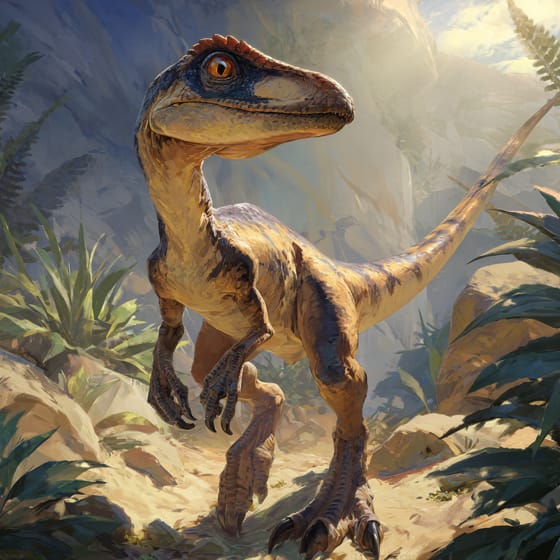
Velociraptor mongoliensis
El Velociraptor pudo haber depredado huevos o crías de Citipati.

Protoceratops andrewsi
El Citipati pudo haber comido huevos o crías de Protoceratops.
Tarbosaurus bataar
Los Citipati más grandes podían ser presa del formidable Tarbosaurus.
Describe a los animales, principalmente aves, que poseen una cubierta de plumas.
Colorido describe a organismos u objetos que exhiben una amplia variedad de colores brillantes y distintivos.
Antiguo se refiere a organismos, objetos o formaciones geológicas que han existido durante un período extremadamente largo.
Un artefacto es un objeto hecho o modificado por la cultura humana, típicamente de interés histórico o arqueológico.

Un fósil son los restos conservados o rastros de un organismo antiguo incrustado en roca u otros depósitos geológicos.
Todavía no hay alias listados.
Peligro
1/5 · Muy bajo
Aunque extremadamente peligrosa en su época, esta criatura está ahora extinta.
La forma más fácil de identificar a Citipati es usar la aplicación de identificación de naturaleza Snappit.
2.5-3 m
70-100 kg
Este dinosaurio omnívoro usaba su fuerte pico para comer diversas plantas, semillas, huevos y pequeños animales.
Bosques y llanuras aluviales del Mesozoico
Forrajeo
Late Cretaceous
66
Acércate para separar los grupos y explorar dónde se ha fotografiado este objeto.
Los snaps recientes aparecerán aquí a medida que se añadan nuevas observaciones.
Llévate el descubrimiento
Haz una foto con Snappit, identifica la especie y guarda el hallazgo en tu colección.