





Clytra laeviuscula
Clytra laeviuscula
La Clytra laeviuscula es un escarabajo pequeño y brillante al que le encanta mordisquear hojas. Tiene un color brillante que lo hace fácil de detectar en jardines y bosques.
Hábitat: Bosques
La Clytra laeviuscula tiene un cuerpo brillante y alargado con élitros de un llamativo color rojo-anaranjado, cada uno típicamente marcado con una distintiva mancha negra. A menudo, una prominente franja negra recorre el centro de su espalda, contrastando con su cabeza y tórax oscuros, lo que lo hace visualmente distinto de las mariquitas.
Categoría
InsectosRareza
Common
Peligro
1/5 · Muy bajo
Snaps
¡Sé la primera persona en hacer un snap!
¡Los adultos a menudo se alimentan de hojas de sauce, su bocadillo favorito!
¡Sus larvas usan un ingenioso disfraz, viviendo escondidas de forma segura dentro de los nidos de hormigas!
Los colores brillantes del escarabajo advierten a los depredadores que sabe muy mal.
¡Este escarabajo puede volar rápidamente, a pesar de su aspecto robusto y acorazado!
Las larvas de Clytra laeviuscula construyen una caja protectora con su propio frass (excremento) y detritos, lo que les ayuda a esconderse de los depredadores.
Sus larvas viven dentro de nidos de hormigas, donde son protegidas por las hormigas e incluso pueden obtener alimento, mostrando una astuta asociación.
La Clytra laeviuscula adulta puede liberar un líquido maloliente cuando se siente amenazada, disuadiendo a los depredadores con un olor desagradable.
Los adultos mordisquean hojas de plantas, mientras que las larvas comen trozos en descomposición y, a veces, restos en nidos de hormigas.
Diferencias por edad: Las larvas se alimentan de materia vegetal en descomposición y detritos de nidos de hormigas, mientras que los adultos consumen hojas frescas.
Salix caprea
Los adultos se alimentan de sus hojas.

Corylus avellana
Una fuente de alimento primaria para los adultos.
Formica rufa
Las larvas viven de forma segura dentro de sus nidos.
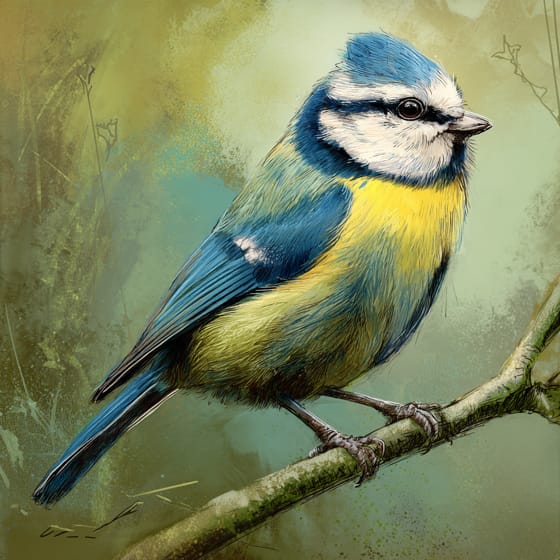
Cyanistes caeruleus
Una presa potencial para esta ave.
Los animales solitarios viven solos durante la mayor parte de su vida y solo interactúan con otros para aparearse o cuidar de sus crías.
El camuflaje describe a los organismos que poseen colores o patrones que les permiten mezclarse con su entorno.
Colorido describe a organismos u objetos que exhiben una amplia variedad de colores brillantes y distintivos.
Este rasgo caracteriza a los organismos cuya dieta consiste total o principalmente en material vegetal.

Los hábitats boscosos son entornos terrestres dominados por una densa cubierta arbórea, que sustentan una gran diversidad de vida animal y vegetal.

Los animales diurnos están activos principalmente durante el día y suelen descansar o dormir por la noche.

Relativo a especies que son significativamente más pequeñas que lo típico o promedio de su tipo.

Describe organismos que transfieren polen, permitiendo la fertilización y reproducción de las plantas.
Todavía no hay alias listados.
Peligro
1/5 · Muy bajo
Es mejor observar a los insectos desde la distancia y no tocarlos, ya que pueden ser delicados.
La forma más fácil de identificar a Clytra laeviuscula es usar la aplicación de identificación de naturaleza Snappit.
15-22 mm
7.5-11 mm
365-730 días
7 km/h
Los adultos mordisquean hojas de plantas, mientras que las larvas comen trozos en descomposición y, a veces, restos en nidos de hormigas.
Bosques
Forrajeo
Acércate para separar los grupos y explorar dónde se ha fotografiado este objeto.
Los snaps recientes aparecerán aquí a medida que se añadan nuevas observaciones.
Llévate el descubrimiento
Haz una foto con Snappit, identifica la especie y guarda el hallazgo en tu colección.







.jpg&width=800)


