






Coastal Tailed Frog
Ascaphus truei
The Coastal Tailed Frog is a special little frog that lives near cool, clean streams. It has a unique tail that helps it swim and cling to rocks in the water. These frogs love to hide under leaves and stones!
Hábitat: Mountain regions
The Coastal Tailed Frog is a small, flat-bodied amphibian, typically brown, gray, or olive with darker mottling, helping it blend into stream beds. Its skin is rough and warty, and males possess a distinctive, tail-like cloacal extension, setting it apart from other frogs.
Categoría
AnfibiosRareza
Common
Peligro
1/5 · Muy bajo
Snaps
¡Sé la primera persona en hacer un snap!
Tadpoles can take up to four years to become a frog. Wow!
They are among the most ancient frog species on Earth!
They use their strong front legs to flip over stones to find food!
Unlike almost all other frogs, they never make a croaking sound.
Coastal Tailed Frogs have a unique 'tail' for internal fertilization, preventing sperm washout in their fast-flowing stream homes.
Young tadpoles have a huge, suction-cup mouth that helps them cling tightly to slippery rocks in rushing water.
They lack vocal cords and ear drums, communicating subtly while enduring the noise of powerful aquatic habitats.
These frogs possess a low metabolic rate, allowing them to thrive and develop slowly in very cold mountain streams.
They munch on small bugs and other tiny creatures they find in and around their chilly stream homes.
Diferencias por edad: Tadpoles graze on algae and diatoms from rocks, while adults hunt insects and other small invertebrates.
Thamnophis sirtalis
Snakes hunt them near streams.
Oncorhynchus mykiss
Fish prey on their tadpoles.
Rana catesbeiana
Invasive bullfrogs eat them.
Se caracteriza por tener los dedos conectados por una membrana, lo que generalmente ayuda a nadar.
Las plantas trepadoras o enredaderas se caracterizan por un hábito de crecimiento que les permite ascender enrollándose o usando zarcillos o raíces adhesivas.
Los animales solitarios viven solos durante la mayor parte de su vida y solo interactúan con otros para aparearse o cuidar de sus crías.
Los animales cantores producen vocalizaciones complejas, a menudo con el propósito de atraer parejas, defender el territorio o comunicarse dentro de su especie.

El camuflaje describe a los organismos que poseen colores o patrones que les permiten mezclarse con su entorno.

Colorido describe a organismos u objetos que exhiben una amplia variedad de colores brillantes y distintivos.

Este rasgo identifica a los organismos cuya dieta consiste principalmente en insectos y otros pequeños invertebrados.

Este rasgo de hábitat identifica a las especies que se encuentran en regiones montañosas, caracterizadas por su gran altitud, pendientes pronunciadas y zonas climáticas variables.

Los hábitats de agua dulce incluyen entornos acuáticos no salinos como ríos, lagos, estanques y humedales, vitales para numerosas especies.

Los animales nocturnos están principalmente activos durante la noche, y suelen descansar o dormir durante el día.

El estado de peligro de extinción indica que una especie corre un riesgo muy alto de extinguirse en estado silvestre en un futuro próximo.
Todavía no hay alias listados.
Peligro
1/5 · Muy bajo
Always look but don't touch frogs, as they can be delicate and need their homes to stay safe.
2.5-5 cm
0.005-0.015 kg
10-20 años
0 km/h
They munch on small bugs and other tiny creatures they find in and around their chilly stream homes.
Mountain regions
Foraging
30-80
Acércate para separar los grupos y explorar dónde se ha fotografiado este objeto.
Los snaps recientes aparecerán aquí a medida que se añadan nuevas observaciones.

British Columbia, CA
Puedes ver Pipsissewa, Western Rattlesnake Plantain y Salal.
Ver guía →
British Columbia, CA
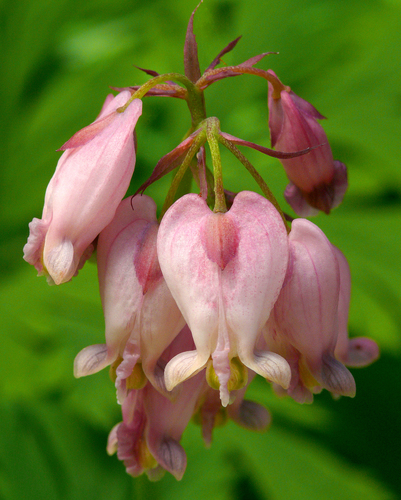
Puedes ver Pacific Bleeding Heart, Tansy y Western Sword Fern.
Ver guía →




_03.jpg&width=800)







