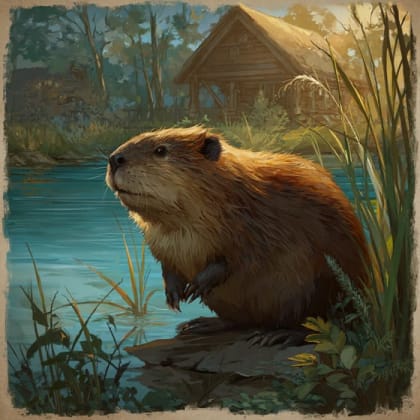


Collared Peccary
Pecari tajacu
The Collared Peccary is a small, pig-like animal that loves to roam in groups. They have a special collar of white fur around their necks, which makes them easy to spot in the wild!
Hábitat: Forests
The Collared Peccary is a medium-sized mammal with coarse, grayish-black hair and a distinctive lighter 'collar' of fur around its neck. It has a pig-like snout, small eyes, and sharp, downward-pointing tusks that differentiate it from true pigs.
Categoría
MamíferosRareza
Common
Peligro
2/5 · Bajo
Snaps
¡Sé la primera persona en hacer un snap!
Baby peccaries, called javelinas, are born with soft, reddish fur and a dark stripe.
Collared Peccaries rub scent glands to 'high-five' their friends in a special way!
Peccaries don't make oink sounds like pigs; they bark, growl, and chatter instead!
They are one of the few mammals that can eat and digest tough, spiny cacti!
Collared Peccary has a dorsal scent gland that helps them mark territory and recognize other group members.
Collared Peccary can safely eat spiny cacti because of their tough mouths and stomachs that help digest them.
Collared Peccary uses various barks, grunts, and teeth-chattering sounds to warn of danger or connect with their group.
These omnivores munch on roots, fruits, and cacti, sometimes even bugs!
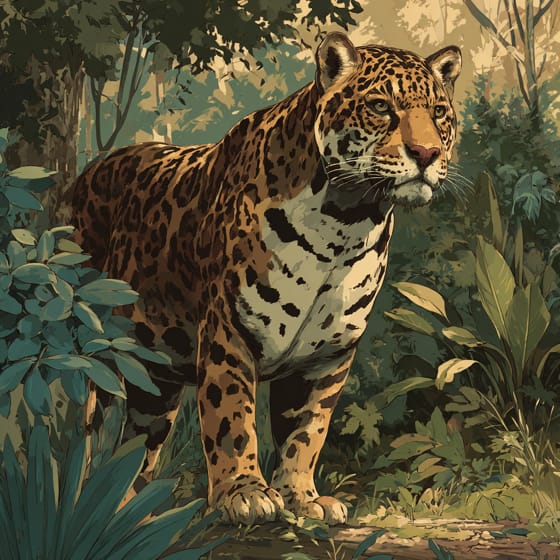
Panthera onca
A primary predator of peccaries in their jungle habitats.
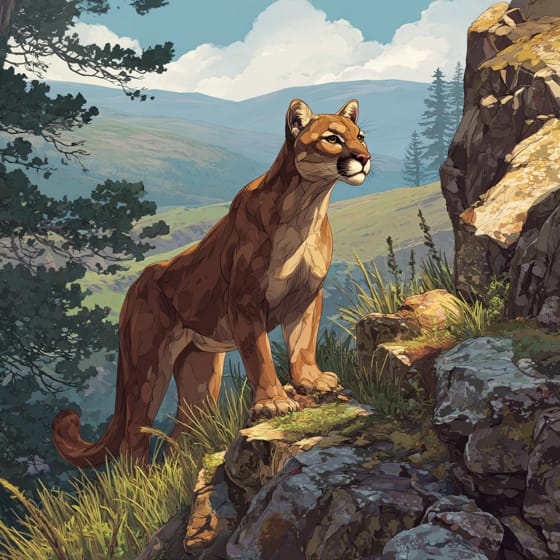
Puma concolor
Preys on peccaries across their shared range in North and South America.
Opuntia engelmannii
A common food source, especially for its pads and fruits.
Prosopis glandulosa
Eats the beans and pods from this common desert tree.
Peludo describe a los animales que poseen una cubierta densa de pelo o pelaje suave.
Los animales sociales viven en grupos organizados, cooperando para obtener beneficios de supervivencia como la búsqueda de alimento, la defensa y la cría de descendencia.
Se caracteriza por tener dientes largos, puntiagudos y salientes, generalmente en pares.
Este rasgo caracteriza a los organismos cuya dieta consiste total o principalmente en material vegetal.

Los hábitats boscosos son entornos terrestres dominados por una densa cubierta arbórea, que sustentan una gran diversidad de vida animal y vegetal.

Este rasgo identifica a los organismos que exhiben una rapidez excepcional en sus movimientos para cazar, escapar o desplazarse.
Peligro
2/5 · Bajo
If you see a Collared Peccary in the wild, it's best to watch from a distance and not approach them.
80-100 cm
16-27 kg
10-15 años
35 km/h
These omnivores munch on roots, fruits, and cacti, sometimes even bugs!
Forests
Foraging
1-4
Acércate para separar los grupos y explorar dónde se ha fotografiado este objeto.
Los snaps recientes aparecerán aquí a medida que se añadan nuevas observaciones.