common boneset
Eupatorium perfoliatum
Common boneset is a tall plant with pretty white flowers that bloom in late summer. It grows in wet places and is loved by butterflies and bees!
Hábitat: Wetlands
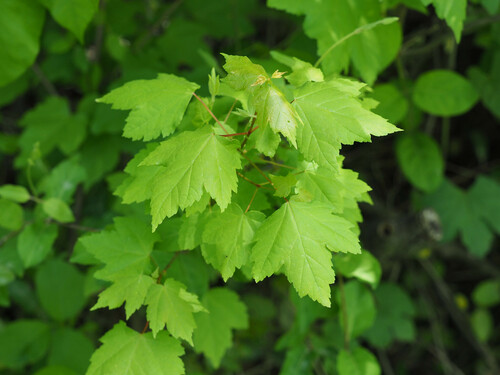
The common boneset has stiff, hairy stems and distinctive, wrinkled leaves that appear to be pierced by the stem. Its small, fuzzy white flowers grow in flat-topped clusters, creating a cloud-like appearance from late summer to fall.
Categoría
PlantasRareza
Common
Peligro
1/5 · Muy bajo
Snaps
¡Sé la primera persona en hacer un snap!
Did you know its leaves look like the stem is growing right through them?
Hundreds of tiny white flowers huddle together to make one big, fluffy flower cloud!
Indigenous peoples used common boneset for aches and fevers for centuries!
This plant loves to grow where its "feet" are wet, often near swamps and streams!
Common boneset has unique leaves that join around the stem, forming a cup to collect rainwater for the plant.
Common boneset can produce bitter compounds in its leaves, helping it to deter many hungry animals from eating it.
Common boneset can thrive in very wet soils, using adaptations that help its roots get enough oxygen.
Apis mellifera
Visits flowers for nectar and pollen.
Bombus impatiens
Important pollinator for its flowers.
Danaus plexippus
Nectar source for migrating monarchs.
Odocoileus virginianus
May browse leaves when other food is scarce.
Schinia mitis
Larvae feed specifically on boneset seeds.
Las plantas caducifolias pierden periódicamente todas sus hojas, por lo general durante el otoño o las estaciones secas.
Las plantas ornamentales se cultivan principalmente por su atractivo estético, embelleciendo paisajes y jardines con su atractivo follaje, flores o forma.
Las flores en racimo son inflorescencias donde las flores individuales están dispuestas muy juntas en un tallo común.
Las plantas de floración de verano producen sus flores durante la temporada estival, a menudo aportando un color vibrante cuando muchas otras plantas ya han terminado de florecer.

Las plantas medicinales poseen compuestos químicos que pueden utilizarse con fines terapéuticos para tratar enfermedades o mantener la salud.

Describe plantas que son particularmente atractivas y beneficiosas para una amplia variedad de organismos polinizadores.

Este rasgo de hábitat identifica especies que se encuentran en humedales, que son áreas de tierra saturadas de agua, ya sea permanente o estacionalmente, e incluyen marismas, pantanos y ciénagas.
Todavía no hay alias listados.
Peligro
1/5 · Muy bajo
Always ask an adult before touching or picking plants.
90-180 cm
30-60 cm
0.3-0.5 cm
Late Summer to Fall (July-October)
No
Leve
Perenne
Insectos
Acércate para separar los grupos y explorar dónde se ha fotografiado este objeto.
Los snaps recientes aparecerán aquí a medida que se añadan nuevas observaciones.