






Common Chuckwalla
Sauromalus ater
The Common Chuckwalla is a friendly lizard that loves to bask in the sun. It has a chunky body and can change color to blend in with rocks and sand, making it a great little explorer of the desert!
Hábitat: Desert
The Common Chuckwalla is a large, stout lizard with a broad, flattened body and loose skin folds. Adult males typically have a black head, chest, and limbs, with a reddish-brown body and tail, while females are lighter with banded patterns.
Categoría
ReptilesRareza
Common
Peligro
1/5 · Muy bajo
Snaps
¡Sé la primera persona en hacer un snap!
Chuckwallas change color slightly with their body temperature, like a mood ring!
Male chuckwallas perform head-bobbing displays to attract mates or warn rivals!
Their name, 'chuckwalla,' comes from the Native American Cahuilla language!
They can sometimes live for over 25 years in the harsh desert environment!
Common Chuckwalla can puff up its body with air because that helps it wedge tightly into rock crevices, making it almost impossible for predators to dislodge.
Common Chuckwalla has special nasal salt glands that help it remove excess salt from its diet, allowing it to get water from plants in the desert.
Common Chuckwalla has a dark body coloration that helps it absorb sunlight quickly to warm up, crucial for energy in cool desert mornings.
These desert lizards love to munch on desert plants like leaves, flowers, and fruits for food and water.
Buteo jamaicensis
A common aerial predator of chuckwallas in the desert.
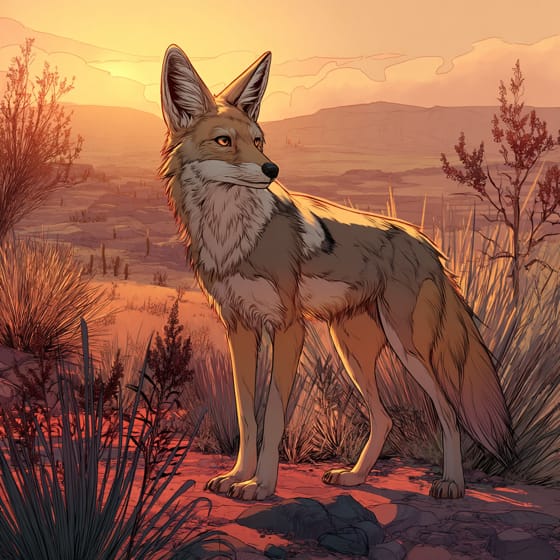
Canis latrans
Opportunistic predator, can dig out chuckwallas from burrows.
Pituophis catenifer
Can ambush juvenile chuckwallas or small adults.

Encelia farinosa
A primary food source, chuckwallas graze on its leaves.
Sphaeralcea ambigua
Chuckwallas feed on its flowers and leaves, especially in spring.
Los animales sociales viven en grupos organizados, cooperando para obtener beneficios de supervivencia como la búsqueda de alimento, la defensa y la cría de descendencia.
Los animales solitarios viven solos durante la mayor parte de su vida y solo interactúan con otros para aparearse o cuidar de sus crías.
El camuflaje describe a los organismos que poseen colores o patrones que les permiten mezclarse con su entorno.
Este rasgo caracteriza a los organismos cuya dieta consiste total o principalmente en material vegetal.

Los organismos termorreguladores mantienen una temperatura corporal interna estable a pesar de las fluctuaciones en el entorno exterior.

Los hábitats desérticos son regiones áridas caracterizadas por precipitaciones extremadamente bajas y, a menudo, temperaturas extremas, que albergan una flora y fauna especializadas.

Los animales diurnos están activos principalmente durante el día y suelen descansar o dormir por la noche.
Todavía no hay alias listados.
Peligro
1/5 · Muy bajo
Always watch from a distance and don't try to touch wild lizards.
25-45 cm
0.5-1.5 kg
15-25 años
15 km/h
These desert lizards love to munch on desert plants like leaves, flowers, and fruits for food and water.
Desert
Foraging
5-16
Acércate para separar los grupos y explorar dónde se ha fotografiado este objeto.
Los snaps recientes aparecerán aquí a medida que se añadan nuevas observaciones.




















