



Common Golden-mantled Ground Squirrel
Callospermophilus lateralis
The Common Golden-mantled Ground Squirrel is a small, cute animal with a golden stripe down its back. They love to dig and can often be seen in parks and forests, looking for tasty seeds and nuts.
Hábitat: Mountain regions
The Common Golden-mantled Ground Squirrel has a bright golden-orange head, neck, and shoulders, resembling a mantle. Its back is greyish-brown with two prominent white stripes, each bordered by thin black lines, running along its sides. This unique pattern makes it visually distinct from other ground squirrels.
Categoría
MamíferosRareza
Common
Peligro
1/5 · Muy bajo
Snaps
¡Sé la primera persona en hacer un snap!
Golden-mantled squirrels line their cozy underground homes with soft grass!
These squirrels sometimes eat insects and even tiny bird eggs!
They communicate using their tails, twitching them to show excitement or alarm!
They stand tall like tiny sentinels to watch for hungry predators!
Common Golden-mantled Ground Squirrels can hibernate for months because this helps them survive cold winters when food is scarce.
Common Golden-mantled Ground Squirrels have expandable cheek pouches that help them carry lots of food to their burrows at once.
Common Golden-mantled Ground Squirrels can dig complex underground burrows that shelter them from predators and extreme weather.
Common Golden-mantled Ground Squirrels can make sharp chirping calls that alert other squirrels to danger.
These omnivores munch on seeds, nuts, insects, and berries, gathering food for their hidden stashes!
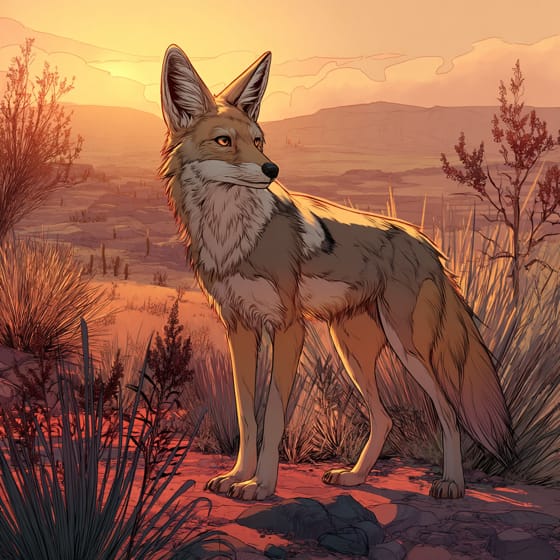
Canis latrans
Pups and adults can be prey for coyotes.
Buteo jamaicensis
Hawks hunt from above, swooping down on squirrels.

Taxidea taxus
Badgers dig into burrows to find these squirrels.
Pinus contorta
Squirrels gather and eat the nutritious seeds from pine cones.
Peludo describe a los animales que poseen una cubierta densa de pelo o pelaje suave.
Marcado con bandas paralelas o líneas de color.
Los animales sociales viven en grupos organizados, cooperando para obtener beneficios de supervivencia como la búsqueda de alimento, la defensa y la cría de descendencia.
Los animales excavadores cavan túneles y cámaras en el suelo y utilizan estas estructuras subterráneas para refugiarse, cazar o reproducirse.

Este rasgo caracteriza a los organismos cuya dieta consiste total o principalmente en material vegetal.

Este rasgo de hábitat identifica a las especies que se encuentran en regiones montañosas, caracterizadas por su gran altitud, pendientes pronunciadas y zonas climáticas variables.

Los animales diurnos están activos principalmente durante el día y suelen descansar o dormir por la noche.
Todavía no hay alias listados.
Peligro
1/5 · Muy bajo
Always watch from a distance and don't try to touch or feed wild squirrels.
23-30 cm
0.14-0.3 kg
2-5 años
30 km/h
These omnivores munch on seeds, nuts, insects, and berries, gathering food for their hidden stashes!
Mountain regions
Foraging
4-8
Acércate para separar los grupos y explorar dónde se ha fotografiado este objeto.
Los snaps recientes aparecerán aquí a medida que se añadan nuevas observaciones.
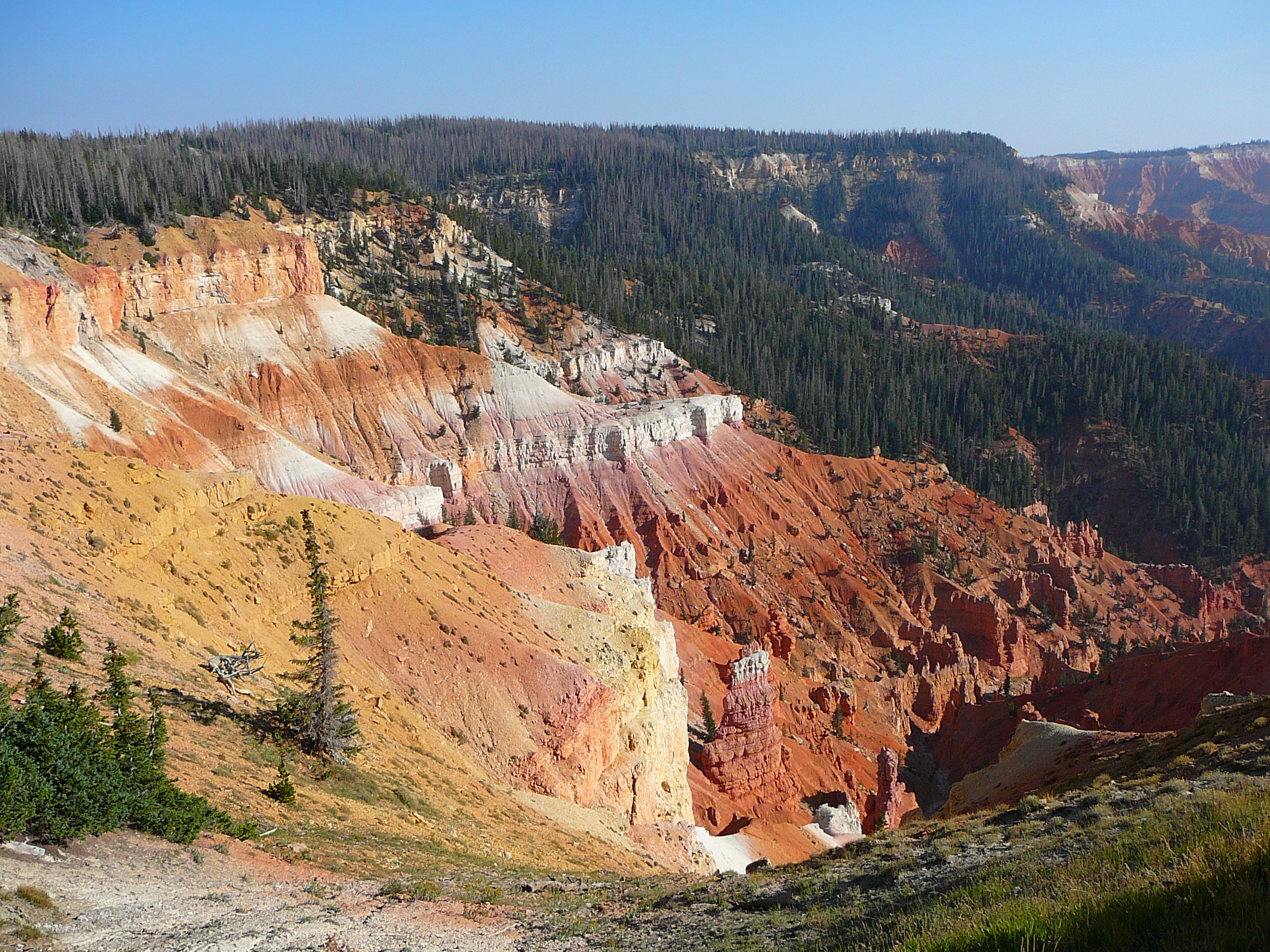
Utah, US
Puedes ver Great Basin Bristlecone Pine, Blue Columbine y Monument Plant.
Ver guía →

British Columbia, CA
Puedes ver Common Golden-Mantled Ground Squirrel y Giant Red Paintbrush.
Ver guía →
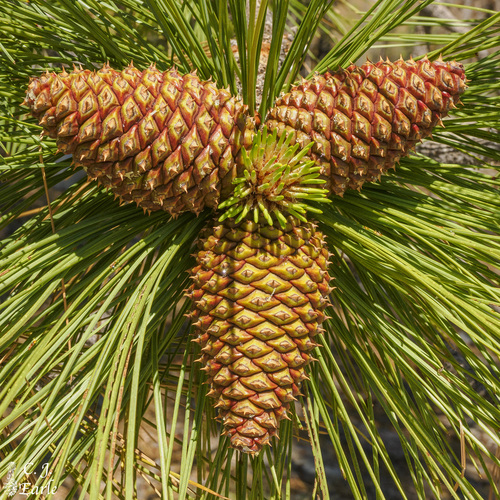
California, US
Puedes ver Jeffrey Pine y Pandora Pinemoth.
Ver guía →
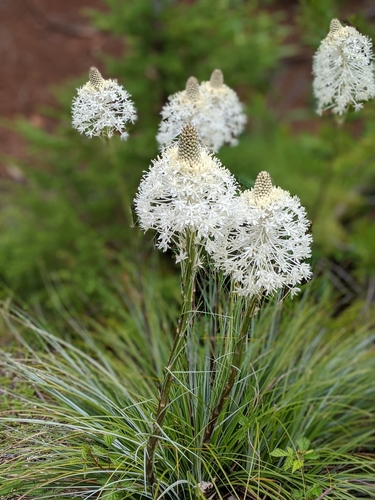
British Columbia, CA
Puedes ver Common Beargrass, White-Flowered Rhododendron y Glacier Lily.
Ver guía →







.jpg&width=800)