






Common Goldeneye
Bucephala clangula
The Common Goldeneye is a beautiful duck with a shiny green head and a round body. They love to dive underwater to find food like fish and plants, making them fun to watch!
Hábitat: Wetlands
The Common Goldeneye male has a striking iridescent green-black head with a distinct circular white patch near the bill and bright yellow eyes. Females feature a chocolate-brown head, a white neck collar, and a grey body, also with vibrant yellow eyes. This combination makes them visually distinctive from other diving ducks.
Categoría
AvesRareza
Common
Peligro
1/5 · Muy bajo
Snaps
¡Sé la primera persona en hacer un snap!
Female Goldeneyes sometimes lay their eggs in another duck's nest!
Goldeneye ducklings can swim and feed themselves just hours after hatching!
Male Goldeneyes perform a funny "head-throw-kick" dance to impress females.
They get their name from their striking, bright yellow eyes that really stand out.
Common Goldeneye can dive up to 6 meters deep because of their heavy bones and powerful webbed feet, helping them hunt for prey.
Common Goldeneye can nest in tree hollows up to 10 meters high, protecting eggs and ducklings from ground predators.
Common Goldeneye has specialized eyes that quickly adjust to light changes, allowing clear vision both above and below water.
Common Goldeneye can spring directly from the water into flight without a running start, escaping danger quickly.
Common Goldeneyes dive underwater to catch a variety of small aquatic animals like fish, insects, and crustaceans.
Perca flavescens
Small fish are a primary food source for diving Goldeneyes.
Mustela vison
Agile mink are predators of Goldeneye eggs, ducklings, and adults.
Falco peregrinus
Fast-flying falcons can hunt adult Goldeneyes in the air.
Describe a los animales, principalmente aves, que poseen una cubierta de plumas.
Los animales sociales viven en grupos organizados, cooperando para obtener beneficios de supervivencia como la búsqueda de alimento, la defensa y la cría de descendencia.
Colorido describe a organismos u objetos que exhiben una amplia variedad de colores brillantes y distintivos.
Los filtradores obtienen nutrientes filtrando partículas de alimentos suspendidos y pequeños organismos del agua.

Los organismos piscívoros son animales que subsisten principalmente de una dieta a base de peces.

Este rasgo de hábitat identifica especies que se encuentran en humedales, que son áreas de tierra saturadas de agua, ya sea permanente o estacionalmente, e incluyen marismas, pantanos y ciénagas.

Los animales diurnos están activos principalmente durante el día y suelen descansar o dormir por la noche.

Este rasgo identifica a los organismos que exhiben una rapidez excepcional en sus movimientos para cazar, escapar o desplazarse.

Los hábitats acuáticos abarcan entornos donde los organismos viven principalmente en el agua, incluidos océanos, ríos, lagos y humedales.

Los animales migratorios emprenden movimientos estacionales de una región a otra, típicamente en respuesta a cambios en el clima o la disponibilidad de alimentos.
Todavía no hay alias listados.
Peligro
1/5 · Muy bajo
Always watch birds from a distance and don't try to touch them.
42-50 cm
66-80 cm
0.8-1.3 kg
8-12 años
72 km/h
Common Goldeneyes dive underwater to catch a variety of small aquatic animals like fish, insects, and crustaceans.
Wetlands
Pursuit
Acércate para separar los grupos y explorar dónde se ha fotografiado este objeto.
Los snaps recientes aparecerán aquí a medida que se añadan nuevas observaciones.

New York, US
Puedes ver Zorro Rojo, Lobo Gris y Equus Africanus Asinus.
Ver guía →

Washington, US
Puedes ver Bigleaf Maple, Common Snowberry y Osoberry.
Ver guía →
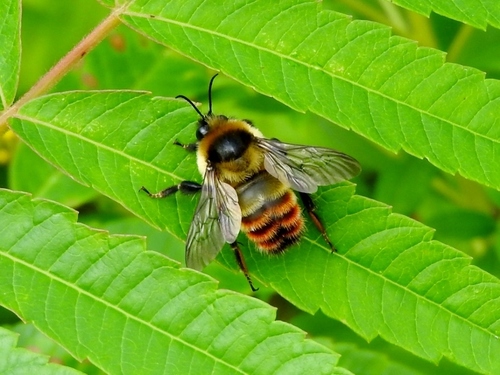
Wisconsin, US
Puedes ver Red-Belted Bumble Bee, Red-Breasted Merganser y Pato.
Ver guía →

Maryland, US
Puedes ver Bufflehead, Common Goldeneye y Pato.
Ver guía →

Washington, US
Puedes ver Barnacla Canadiense, Pato y American Coot.
Ver guía →
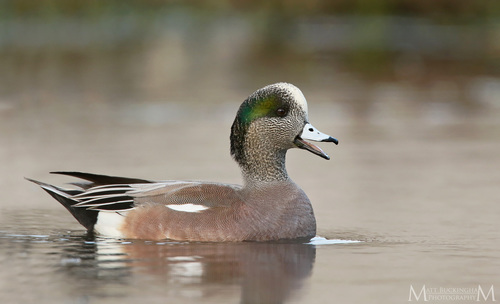
Washington, US
Puedes ver American Wigeon, Madrone Skin Miner y Ardilla Gris Oriental.
Ver guía →




.jpg&width=800)









