Common Lambsquarters
Chenopodium album
Common Lambsquarters is a leafy green plant that grows in gardens and fields. Its leaves are soft and can be a little fuzzy. This plant is often found in places where the soil is disturbed.
Hábitat: Urban areas
The Common Lambsquarters is an upright plant with variable, often somewhat triangular, gray-green leaves. Its leaves, especially new ones, have a distinctive powdery, mealy coating. Its tiny green flowers are clustered in spikes at the stem tops, lacking colorful petals.
Categoría
PlantasRareza
Common
Peligro
1/5 · Muy bajo
Snaps
¡Sé la primera persona en hacer un snap!
Its seeds were found in ancient Roman ruins, showing people ate it long ago!
Some call it 'goosefoot' because its leaves can look like a goose's foot.
This super plant can produce over 75,000 seeds from just one plant!
Young lambsquarters leaves taste a bit like mild spinach, even raw!
Common Lambsquarters has seeds that can stay alive in the soil for over a century, waiting for the perfect moment to sprout!
Common Lambsquarters can efficiently pull nutrients from poor soil, allowing it to grow where other plants struggle.
Common Lambsquarters has a mealy coating on its leaves that helps it hold onto water and may deter hungry critters.
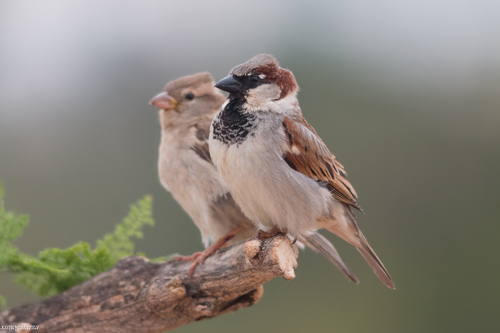
Passer domesticus
Feeds on its nutrient-rich seeds.
Oryctolagus cuniculus
Browses on its tender young leaves.
Lygus lineolaris
Feeds on its stems and leaves.
Mamestra brassicae
Its larvae feed on the leaves.
Las plantas con flores son cualquier planta que produce flores como parte de su ciclo reproductivo.
Este rasgo de uso humano describe las especies cultivadas o domesticadas por los humanos con fines agrícolas, incluyendo cultivos y ganado.
Las plantas comestibles son aquellas partes de una planta que se consideran seguras para el consumo humano.
Las plantas de crecimiento rápido exhiben tasas de crecimiento aceleradas, aumentando rápidamente de tamaño y biomasa en un corto período de tiempo.

Describe plantas que son particularmente atractivas y beneficiosas para una amplia variedad de organismos polinizadores.

Esta característica de hábitat indica especies que pueden coexistir con los humanos en entornos urbanos y suburbanos, utilizando estructuras artificiales y espacios verdes.
Peligro
1/5 · Muy bajo
Always ask an adult before touching or eating any wild plants.
30-300 cm
15-100 cm
0.1-0.3 cm
Summer_to_fall
Sí
Ninguna
Anual
Viento
Acércate para separar los grupos y explorar dónde se ha fotografiado este objeto.
Los snaps recientes aparecerán aquí a medida que se añadan nuevas observaciones.















.jpg&width=800)