
_Rhagonycha_fulva_matting_on_Rubus_ulmifolius.jpg&width=800)





Common Red Soldier Beetle
Rhagonycha fulva
The Common Red Soldier Beetle is a bright red insect that loves to be outside in the sunshine. They are often seen on flowers, where they help pollinate plants while looking for food.
Hábitat: Grasslands
The Common Red Soldier Beetle has a vibrant orange or red body with soft, flexible wing cases and a black head and legs. Its long, slender antennae help it sense its surroundings. It is easily identified by its distinctive bright colouration and velvety appearance, unlike hard-shelled ladybugs.
Categoría
InsectosRareza
Common
Peligro
1/5 · Muy bajo
Snaps
¡Sé la primera persona en hacer un snap!
Despite their soft look, their jaws are surprisingly strong for grabbing small insect prey!
Their larvae live hidden underground, hunting tiny creatures and even helping decompose dead matter!
They are often called 'The Lovers' because you frequently spot pairs mating on flowers!
When startled, they sometimes drop to the ground and stay perfectly still, playing dead!
Common Red Soldier Beetles can eat garden pests like aphids, helping plants stay healthy by controlling infestations.
Common Red Soldier Beetles can release a foul-smelling liquid to deter predators, helping them escape danger.
Common Red Soldier Beetles have long antennae to help them find mates and flowers for nectar and pollen.
Common Red Soldier Beetles carry pollen between flowers as they feed, helping plants reproduce naturally.
These beetles munch on small insects like aphids and also enjoy sweet pollen and nectar from flowers.
Diferencias por edad: Larvae are primarily predatory, living in soil and feeding on small invertebrates; adults consume insects, pollen, and nectar.
Aphis fabae
for protein and sustenance.
%2C_Parc_de_Woluw%C3%A9%2C_Brussels_(13042792905).jpg&width=800)
Parus major
as a meal for birds.
Daucus carota
while seeking nectar.
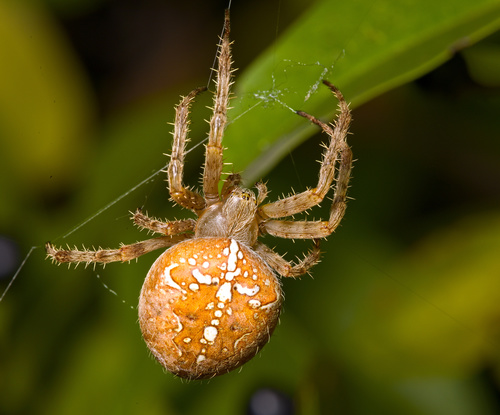
Araneus diadematus
gets caught in its web.
Colorido describe a organismos u objetos que exhiben una amplia variedad de colores brillantes y distintivos.
Describe plantas que son particularmente atractivas y beneficiosas para una amplia variedad de organismos polinizadores.
Este rasgo identifica a los organismos cuya dieta consiste principalmente en insectos y otros pequeños invertebrados.
Los hábitats de pastizales son biomas terrestres dominados por pastos y plantas herbáceas, que sustentan a una variedad de animales de pastoreo.

Los animales diurnos están activos principalmente durante el día y suelen descansar o dormir por la noche.

Este rasgo identifica a los organismos que exhiben una rapidez excepcional en sus movimientos para cazar, escapar o desplazarse.

Describe organismos que transfieren polen, permitiendo la fertilización y reproducción de las plantas.
Todavía no hay alias listados.
Peligro
1/5 · Muy bajo
These beetles are safe to observe, but it's best not to touch them.
18-24 mm
8-10 mm
30-60 días
5 km/h
These beetles munch on small insects like aphids and also enjoy sweet pollen and nectar from flowers.
Grasslands
Foraging
6
Acércate para separar los grupos y explorar dónde se ha fotografiado este objeto.
Los snaps recientes aparecerán aquí a medida que se añadan nuevas observaciones.

England, UK
Puedes ver Mariquita Asiática, Graja y Almirante Rojo.
Ver guía →

Washington, US
Puedes ver Barnacla Canadiense, Pato y American Coot.
Ver guía →

Washington, US
Puedes ver Western Sword Fern, Bigleaf Maple y Western Skunk Cabbage.
Ver guía →
Washington, US
Puedes ver Araña De Jardín, Fringed Willowherb y Yellow-Faced Bumble Bee.
Ver guía →

Washington, US
Puedes ver California Bumble Bee, Yellow-Faced Bumble Bee y Autumn Olive.
Ver guía →











