






Common Ringlet
Coenonympha california
The Common Ringlet is a small butterfly with beautiful brown wings. It loves to flutter around grassy areas and is often seen on sunny days, making it a delightful sight for nature lovers.
Hábitat: Grasslands
The Common Ringlet has plain brown to orange-brown wings, often with small, dark eyespots circled in yellow near the wing edges. It is less colourful than many butterflies, typically appearing subtle and muted compared to brighter species.
Categoría
InsectosRareza
Common
Peligro
1/5 · Muy bajo
Snaps
¡Sé la primera persona en hacer un snap!
A tiny caterpillar munching on grass transforms into this beautiful butterfly inside a chrysalis!
Instead of a mouth, adult Ringlets have a long, straw-like 'proboscis' to sip sweet flower nectar.
Male butterflies often chase females in mid-air with their wiggly flight to impress them!
They don't have ears, but they can feel vibrations in the air to sense danger!
Common Ringlet has tiny eyespots on its wings that trick predators into attacking less vital body parts, helping them escape.
Common Ringlet can fly with a low, erratic, 'dancing' flight pattern to make it harder for birds and other predators to catch them.
Common Ringlet can bask in the sun to warm up their bodies, allowing them to fly and be active even on cooler days.
Larvae munch on grasses, while adult butterflies sip sweet nectar from flowers.
Diferencias por edad: Larvae eat various grasses, while adults feed exclusively on liquid nectar and sometimes sap.
Turdus migratorius
A common bird that preys on butterflies.
Achillea millefolium
Visits its flowers, transferring pollen.
Poa pratensis
Its larvae feed on this grass species.
Marcado con manchas o parches de un color diferente.
Los animales solitarios viven solos durante la mayor parte de su vida y solo interactúan con otros para aparearse o cuidar de sus crías.
Colorido describe a organismos u objetos que exhiben una amplia variedad de colores brillantes y distintivos.
Este rasgo caracteriza a los organismos cuya dieta consiste total o principalmente en material vegetal.

Describe plantas que son particularmente atractivas y beneficiosas para una amplia variedad de organismos polinizadores.

Los hábitats de pastizales son biomas terrestres dominados por pastos y plantas herbáceas, que sustentan a una variedad de animales de pastoreo.

Los animales diurnos están activos principalmente durante el día y suelen descansar o dormir por la noche.

Describe organismos que transfieren polen, permitiendo la fertilización y reproducción de las plantas.
Todavía no hay alias listados.
Peligro
1/5 · Muy bajo
Butterflies are gentle, but it's best to watch them from a distance and not touch them.
30-45 mm
15-22 mm
10-25 días
5-15 km/h
Larvae munch on grasses, while adult butterflies sip sweet nectar from flowers.
Grasslands
Foraging
6
Acércate para separar los grupos y explorar dónde se ha fotografiado este objeto.
Los snaps recientes aparecerán aquí a medida que se añadan nuevas observaciones.
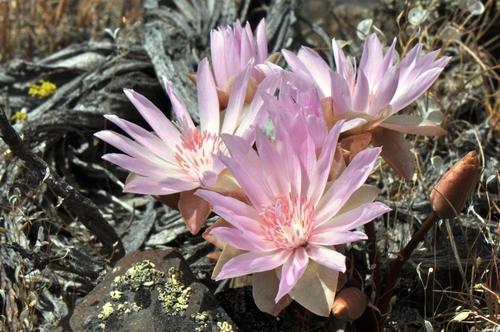
British Columbia, CA
Puedes ver Bitterroot, Arrowleaf Balsamroot y Western Stoneseed.
Ver guía →

Washington, US
Puedes ver Zorro Rojo, Ghost Pipe y Zarzamora.
Ver guía →

Pennsylvania, US
Puedes ver New York Fern, Common Milkweed y True Sedges.
Ver guía →
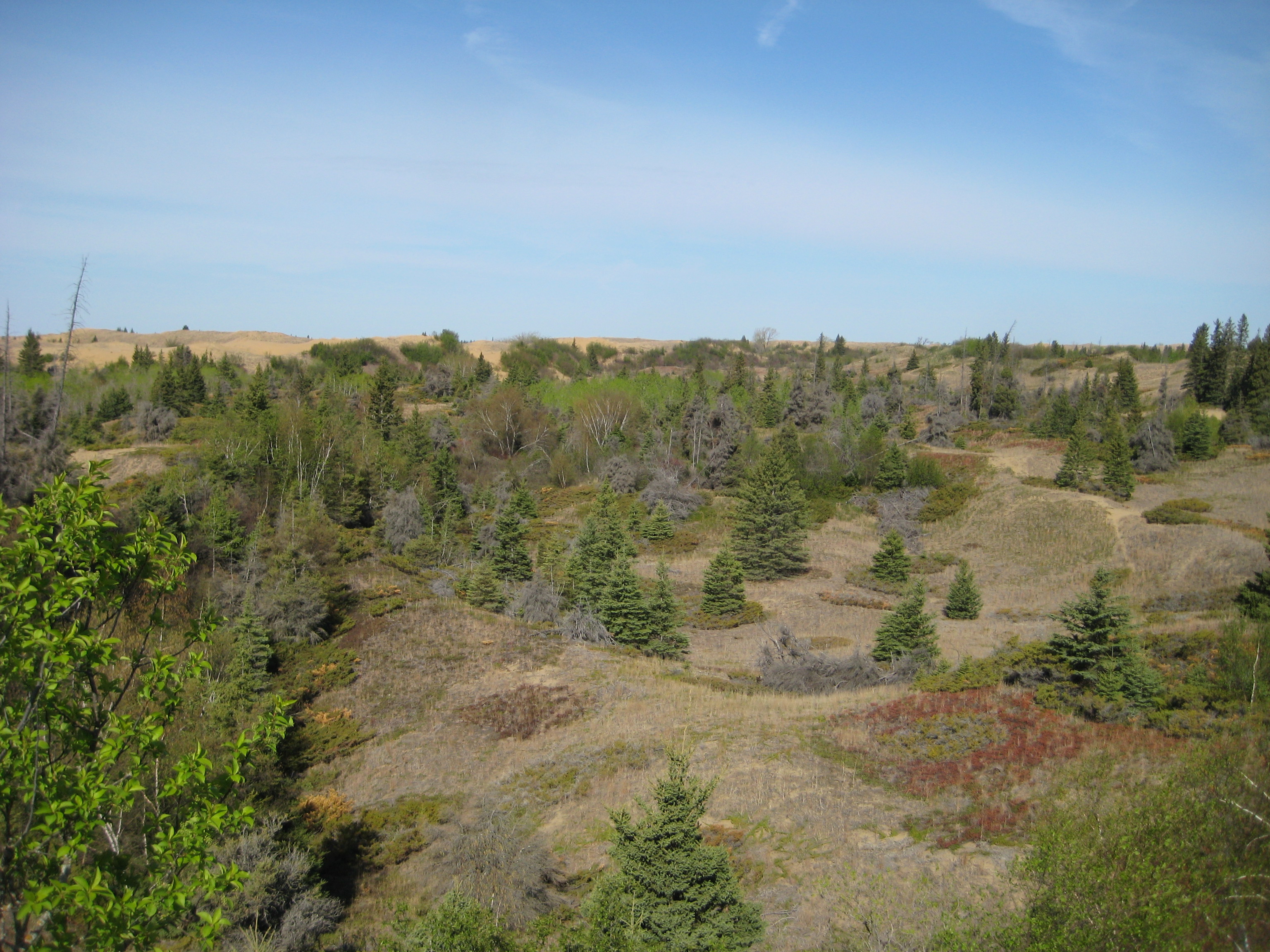
Manitoba, CA
Puedes ver Prairie Skink, Smooth Greensnake y Mariposa Almirante.
Ver guía →















