
-left_01.jpg&width=800)





Common Rough Woodlouse
porcellio scaber
The Common Rough Woodlouse is a tiny creature that looks like a little armored bug! It loves to hide under rocks and in damp places, where it can scurry around safely.
Hábitat: Common Rough Woodlice are often found in gardens, forests, and under logs or stones.
The Common Rough Woodlouse is a small, oval-shaped crustacean with a distinctly bumpy, greyish-brown segmented body. It has seven pairs of legs and two visible antennae, making its textured back different from smoother woodlice.
Categoría
InvertebrateRareza
Common
Peligro
0/5 · Sin peligro conocido
Snaps
¡Sé la primera persona en hacer un snap!
Female woodlice carry their babies in a special pouch, just like a kangaroo!
They are crustaceans, related to crabs and lobsters, not insects!
They can survive for months without food if conditions are just right!
Woodlice drink water by sucking it up through their rear end, like a tiny straw!
Common Rough Woodlouse has a tough, segmented exoskeleton that helps protect it from drying out and hungry predators.
Common Rough Woodlouse can release a foul-tasting liquid because it's stored in glands, deterring predators with a bad flavor.
Common Rough Woodlouse can detect humidity changes because specialized sensors help them find damp, dark places to survive.
These tiny recyclers munch on decaying plants and fungi, helping to clean up the environment!

Dysdera crocata
This spider hunts woodlice specifically with its large fangs.
Lithobius forficatus
A speedy predator that ambushes woodlice in damp places.
Bufo bufo
An opportunistic amphibian predator that often dines on woodlice.

Sorex araneus
A small mammal that forages for invertebrates like woodlice.
Los animales sociales viven en grupos organizados, cooperando para obtener beneficios de supervivencia como la búsqueda de alimento, la defensa y la cría de descendencia.
Los animales excavadores cavan túneles y cámaras en el suelo y utilizan estas estructuras subterráneas para refugiarse, cazar o reproducirse.
Este rasgo caracteriza a los organismos cuya dieta consiste total o principalmente en material vegetal.
Describe a los organismos que descomponen la materia orgánica muerta, reciclando los nutrientes de vuelta al ecosistema.

Los animales diurnos están activos principalmente durante el día y suelen descansar o dormir por la noche.
Peligro
0/5 · Sin peligro conocido
Todavía no hay notas especiales de seguridad.
1.7 cm
0.1 g
3 años
These tiny recyclers munch on decaying plants and fungi, helping to clean up the environment!
Common Rough Woodlice are often found in gardens, forests, and under logs or stones.
Foraging
50
Acércate para separar los grupos y explorar dónde se ha fotografiado este objeto.
Los snaps recientes aparecerán aquí a medida que se añadan nuevas observaciones.

British Columbia, CA
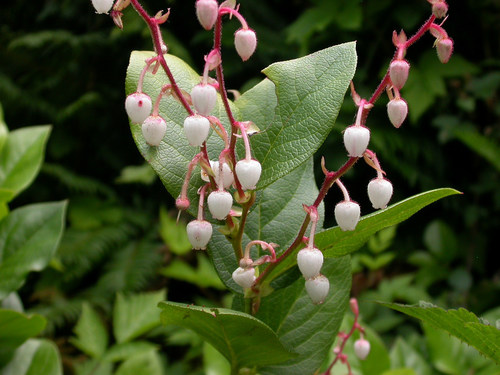
Puedes ver Salal, Evergreen Huckleberry y Abeto De Douglas.
Ver guía →
British Columbia, CA
Puedes ver Salal, Small Ground-Cone y Evergreen Huckleberry.
Ver guía →

















