Common Sagebrush Lizard
sceloporus graciosus
The Common Sagebrush Lizard is a small and colorful lizard that loves to bask in the sun! With its amazing ability to change colors, it can blend into its surroundings and avoid predators.
Hábitat: They live in sagebrush deserts and dry grasslands across the western United States.
The Common Sagebrush Lizard is typically gray, tan, or brown with dark blotches or stripes that help it blend in. Males often display vibrant blue patches on their throat and belly, especially during breeding season. Its scales are granular, giving it a somewhat rough appearance.
Categoría
ReptilesRareza
Common
Peligro
0/5 · Sin peligro conocido
Snaps
¡Sé la primera persona en hacer un snap!
Each sagebrush lizard has unique markings, just like human fingerprints!
They swallow sand to help digest their food and get important minerals!
This lizard can do push-ups to show off to other lizards!
To warm up, they angle their bodies perfectly to catch the sun's rays!
Common Sagebrush Lizard can blend perfectly into its rocky and sandy surroundings because of its mottled skin patterns that help them hide from predators.
Common Sagebrush Lizard can detach its tail when caught by a predator, because the wiggling tail distracts the attacker, allowing them to escape.
Common Sagebrush Lizard has special eyes that can see ultraviolet light, which helps them find food and spot other lizards.
Mostly eats small insects and spiders, but will snack on plants and even other tiny lizards!
Formica fusca
A common prey item for young lizards.
Acheta domesticus
A common insect prey in its habitat.

Crotalus viridis
A primary predator of these small lizards.
Buteo jamaicensis
Hunts lizards from the sky.
Los animales solitarios viven solos durante la mayor parte de su vida y solo interactúan con otros para aparearse o cuidar de sus crías.
El camuflaje describe a los organismos que poseen colores o patrones que les permiten mezclarse con su entorno.
Colorido describe a organismos u objetos que exhiben una amplia variedad de colores brillantes y distintivos.
Este rasgo identifica a los organismos cuya dieta consiste total o principalmente en tejido animal.

Los animales diurnos están activos principalmente durante el día y suelen descansar o dormir por la noche.
Peligro
0/5 · Sin peligro conocido
Todavía no hay notas especiales de seguridad.
10-20 cm
0.002-0.01 kg
2-5 años
18 km/h
Mostly eats small insects and spiders, but will snack on plants and even other tiny lizards!
They live in sagebrush deserts and dry grasslands across the western United States.
Ambush
2-10
Acércate para separar los grupos y explorar dónde se ha fotografiado este objeto.
Los snaps recientes aparecerán aquí a medida que se añadan nuevas observaciones.

California, US
Puedes ver Warrior's Plume, Diogenes' Lantern y Checker Lily.
Ver guía →
California, US
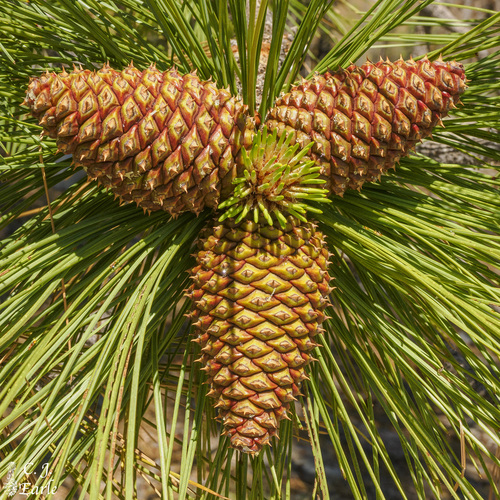
Puedes ver Jeffrey Pine y Pandora Pinemoth.
Ver guía →

Montana, US
Puedes ver Borrego Cimarrón y Curlleaf Mountain Mahogany.
Ver guía →