common soapwort
Saponaria officinalis
Common soapwort is a lovely plant with pink or white flowers that bloom in the summer. It grows in gardens and fields and is known for its soapy leaves that can be used to make bubbles!
Hábitat: Urban areas
The common soapwort is a sturdy perennial with erect stems and oval, bright green leaves. It produces clusters of fragrant, pale pink to white five-petaled flowers, often appearing slightly ruffled. Its dense growth can form large patches, making it easily noticeable.
Categoría
PlantasRareza
Common
Peligro
1/5 · Muy bajo
Snaps
¡Sé la primera persona en hacer un snap!
Even its scientific name, Saponaria, comes from the Latin word 'sapo,' meaning soap!
If you rub its wet leaves, it creates foamy bubbles, just like real soap!
Its root was once used to clean ancient tapestries without harming the delicate fibers!
Many old-time laundries grew soapwort right in their gardens for washing clothes!
Common soapwort can clean things because its leaves and roots contain saponins, natural soap-like chemicals that create bubbles when mixed with water.
Common soapwort has strong underground stems called rhizomes that help it rapidly spread and colonize new areas, forming dense patches.
This plant releases a strong, sweet scent at night, which helps it attract nocturnal pollinators like moths to its delicate flowers.
Apis mellifera
helps transfer pollen to other soapwort flowers.
Bombus impatiens
visits flowers for nectar and pollen.
Hyles gallii
drinks nectar from its fragrant night flowers.
_Philaenus_spumarius.jpg&width=800)
Philaenus spumarius
nymphs suck sap from stems, hidden in 'spittle'.
Las plantas con flores son cualquier planta que produce flores como parte de su ciclo reproductivo.
Las plantas ornamentales se cultivan principalmente por su atractivo estético, embelleciendo paisajes y jardines con su atractivo follaje, flores o forma.
Las plantas de floración de verano producen sus flores durante la temporada estival, a menudo aportando un color vibrante cuando muchas otras plantas ya han terminado de florecer.
Las plantas medicinales poseen compuestos químicos que pueden utilizarse con fines terapéuticos para tratar enfermedades o mantener la salud.

Las plantas comestibles son aquellas partes de una planta que se consideran seguras para el consumo humano.

Describe plantas que son particularmente atractivas y beneficiosas para una amplia variedad de organismos polinizadores.

Esta característica de hábitat indica especies que pueden coexistir con los humanos en entornos urbanos y suburbanos, utilizando estructuras artificiales y espacios verdes.

Describe organismos que transfieren polen, permitiendo la fertilización y reproducción de las plantas.
Peligro
1/5 · Muy bajo
Always wash your hands after touching plants, just to be safe!
30-90 cm
60-90 cm
2-3 cm
Summer to early fall
No
Leve
Perenne
Insectos
Acércate para separar los grupos y explorar dónde se ha fotografiado este objeto.
Los snaps recientes aparecerán aquí a medida que se añadan nuevas observaciones.
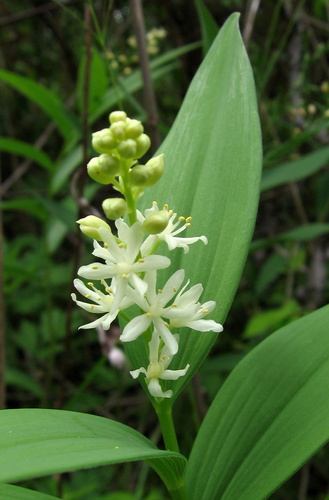
Michigan, US
Puedes ver Star-Flowered Lily-Of-The-Valley y Common Silverweed.
Ver guía →

Pennsylvania, US
Puedes ver Carolina Horsenettle, Common Soapwort y Varas De Oro.
Ver guía →

Washington, US
Puedes ver Secuoya, Western Redcedar y Fringe Cups.
Ver guía →