Common Sow-thistle
Sonchus oleraceus
Common Sow-thistle is a leafy plant that grows in gardens and fields. Its bright yellow flowers bloom in the summer, making it a cheerful sight in nature!
Hábitat: Urban areas
The Common Sow-thistle has bright yellow, dandelion-like flowers clustered at the top of its stem. Its distinct, irregularly lobed, blue-green leaves clasp the hollow stem, often appearing slightly prickly. Milky white sap oozes when the stem is broken.
Categoría
PlantasRareza
Common
Peligro
1/5 · Muy bajo
Snaps
¡Sé la primera persona en hacer un snap!
Ancient Romans believed eating its leaves helped with digestion!
It grows on every continent except icy Antarctica – truly global!
Many garden caterpillars love to munch on its fresh, tender leaves.
This resilient plant can sprout and thrive even in sidewalk cracks!
Common Sow-thistle has milky white sap that acts as a natural defense against hungry insects and helps seal plant wounds.
Common Sow-thistle produces light, feathery seeds that catch the wind, allowing them to travel far and wide to grow.
Common Sow-thistle can quickly grow new shoots and flowers, allowing it to recover fast from damage and spreading.
Apis mellifera
Visits flowers for nectar and pollen.
Oryctolagus cuniculus
Rabbits frequently browse on its leaves.
Helix aspersa
Snails often feed on its leaves and stems.
Homo sapiens
Young leaves are used in salads and cooking.
Las plantas con flores son cualquier planta que produce flores como parte de su ciclo reproductivo.
Las plantas de floración de verano producen sus flores durante la temporada estival, a menudo aportando un color vibrante cuando muchas otras plantas ya han terminado de florecer.
Las plantas medicinales poseen compuestos químicos que pueden utilizarse con fines terapéuticos para tratar enfermedades o mantener la salud.
Las plantas comestibles son aquellas partes de una planta que se consideran seguras para el consumo humano.

Las plantas de crecimiento rápido exhiben tasas de crecimiento aceleradas, aumentando rápidamente de tamaño y biomasa en un corto período de tiempo.

Describe plantas que son particularmente atractivas y beneficiosas para una amplia variedad de organismos polinizadores.

Esta característica de hábitat indica especies que pueden coexistir con los humanos en entornos urbanos y suburbanos, utilizando estructuras artificiales y espacios verdes.
Todavía no hay alias listados.
Peligro
1/5 · Muy bajo
Always check with an adult before touching or tasting any plants.
30-150 cm
15-45 cm
1-2.5 cm
April to October
Sí
Ninguna
Anual
Insectos
Acércate para separar los grupos y explorar dónde se ha fotografiado este objeto.
Los snaps recientes aparecerán aquí a medida que se añadan nuevas observaciones.
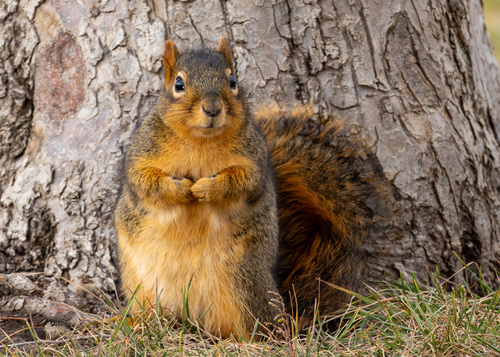
California, US
Puedes ver Eastern Fox Squirrel, Cuervo Común y Paloma Huilota.
Ver guía →

Grand Est, FR
Puedes ver Lavandera Blanca, Gorrión Común y Ratón Casero.
Ver guía →

Central Serbia, RS
Puedes ver Lagartija Roquera, Gorrión Común y Eurasian Collared-Dove.
Ver guía →




.jpg&width=800)