Common Wood-Nymph
Cercyonis pegala
The Common Wood-Nymph is a beautiful butterfly with soft brown wings and lovely eye spots. They flutter around in sunny spots and love to rest on flowers and leaves.
Hábitat: Forests
The Common Wood-Nymph is a medium-sized butterfly, typically dull brown or tan with a distinctive dark eyespot, sometimes two, on each forewing. Its hindwings are plain, allowing it to blend seamlessly with dry leaves or bark. Its drab colors make it look like a dead leaf, helping it hide.
Categoría
InsectosRareza
Common
Peligro
1/5 · Muy bajo
Snaps
¡Sé la primera persona en hacer un snap!
Adults usually only fly when the sun is shining, often hiding on cloudy or rainy days.
Their caterpillars spend winter tucked away, waiting for spring to munch on fresh grass!
Their wings are covered in thousands of tiny, colorful scales, like living mosaics!
Unlike many butterflies, they prefer walking through grass more than flying long distances.
Common Wood-Nymph has drab, irregular wing patterns that help them blend perfectly with tree bark or dead leaves to hide from predators.
Common Wood-Nymph has large, round 'eyespots' on its wings that can startle or misdirect predators, giving them a chance to escape.
Common Wood-Nymph can sip sweet nectar using its long, straw-like proboscis, which helps them refuel their energy quickly.
Adults sip sweet nectar from flowers, while their young caterpillars munch on fresh grasses.
Diferencias por edad: Larvae (caterpillars) feed on various grasses, while adults drink nectar from flowers.
Poa pratensis
Caterpillars munch on its leaves.
Rudbeckia hirta
Adults sip its sweet nectar.
Turdus migratorius
Birds may prey on butterflies.
Marcado con manchas o parches de un color diferente.
Los animales solitarios viven solos durante la mayor parte de su vida y solo interactúan con otros para aparearse o cuidar de sus crías.
El camuflaje describe a los organismos que poseen colores o patrones que les permiten mezclarse con su entorno.
Este rasgo caracteriza a los organismos cuya dieta consiste total o principalmente en material vegetal.

Describe plantas que son particularmente atractivas y beneficiosas para una amplia variedad de organismos polinizadores.

Los hábitats boscosos son entornos terrestres dominados por una densa cubierta arbórea, que sustentan una gran diversidad de vida animal y vegetal.

Los animales diurnos están activos principalmente durante el día y suelen descansar o dormir por la noche.

Describe organismos que transfieren polen, permitiendo la fertilización y reproducción de las plantas.
Todavía no hay alias listados.
Peligro
1/5 · Muy bajo
Butterflies are gentle creatures. It's best to watch them without touching.
45-65 mm
20-30 mm
10-21 días
12 km/h
Adults sip sweet nectar from flowers, while their young caterpillars munch on fresh grasses.
Forests
Foraging
6
Acércate para separar los grupos y explorar dónde se ha fotografiado este objeto.
Los snaps recientes aparecerán aquí a medida que se añadan nuevas observaciones.
British Columbia, CA
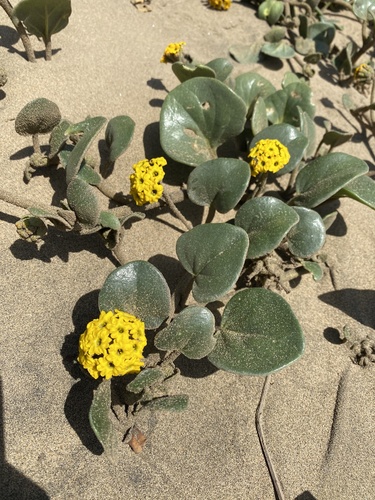
Puedes ver Yellow Sand Verbena, Barestem Biscuitroot y Field Sagewort.
Ver guía →
British Columbia, CA
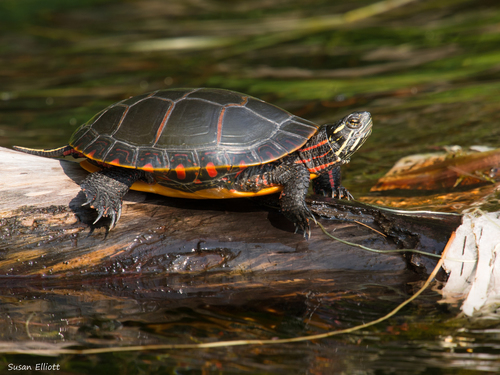
Puedes ver Tortuga Pintada, Antelope Bitterbrush y Western Tiger Beetle.
Ver guía →

British Columbia, CA
Puedes ver Sitka Valerian, Leafy Aster y Pearly Everlasting.
Ver guía →