Common Wood-Pigeon
Columba palumbus
The Common Wood-Pigeon is a big, gentle bird with a soft cooing sound. They like to sit in trees and can often be seen in parks and gardens, where they search for seeds and berries to eat.
Hábitat: Urban areas, Forests
The Common Wood-Pigeon is a large, plump grey bird with a striking white patch on each side of its neck and a prominent white bar across its wings, especially visible in flight. Its breast often shows a rosy-pink hue, distinguishing it from other pigeons.
Categoría
AvesRareza
Common
Peligro
1/5 · Muy bajo
Snaps
¡Sé la primera persona en hacer un snap!
A Wood-Pigeon's wings make a loud clapping sound when it takes off, startling predators!
Their nests are often so flimsy, you can sometimes see the eggs right through the bottom!
They drink water by sucking it up like a straw, unlike most birds who tip their heads back!
Wood-Pigeons can nest up to four times a year, having lots of babies quickly!
Common Wood-Pigeons can produce 'crop milk' from their digestive system to feed their chicks, providing vital nutrients.
Common Wood-Pigeons have powerful wings that allow for rapid take-off and quick flight, helping them escape danger fast.
Common Wood-Pigeons can eat many types of seeds and then spread them through their droppings, helping plants grow in new places.
Common Wood-Pigeons have excellent hearing that helps them detect approaching predators, giving them time to flee.
These resourceful birds mostly eat yummy plant parts like seeds, berries, and fresh green leaves they find on the ground or in trees.
Diferencias por edad: Young chicks are fed 'crop milk' by their parents before transitioning to an adult diet of plant matter.

Accipiter nisus
A fast bird of prey that often targets Wood-Pigeons.
Quercus robur
Wood-Pigeons frequently feed on acorns from oak trees.

Martes foina
Martens can raid nests and prey on eggs, chicks, or even adults.
Felis catus
Domestic cats are opportunistic predators of various birds.
Describe a los animales, principalmente aves, que poseen una cubierta de plumas.
Los animales sociales viven en grupos organizados, cooperando para obtener beneficios de supervivencia como la búsqueda de alimento, la defensa y la cría de descendencia.
Los animales cantores producen vocalizaciones complejas, a menudo con el propósito de atraer parejas, defender el territorio o comunicarse dentro de su especie.
Este rasgo caracteriza a los organismos cuya dieta consiste total o principalmente en material vegetal.

Los hábitats boscosos son entornos terrestres dominados por una densa cubierta arbórea, que sustentan una gran diversidad de vida animal y vegetal.

Este rasgo caracteriza a los organismos con una esperanza de vida excepcionalmente larga en comparación con otros de su especie.

Los animales diurnos están activos principalmente durante el día y suelen descansar o dormir por la noche.

Este rasgo identifica a los organismos que exhiben una rapidez excepcional en sus movimientos para cazar, escapar o desplazarse.

Esta característica de hábitat indica especies que pueden coexistir con los humanos en entornos urbanos y suburbanos, utilizando estructuras artificiales y espacios verdes.
Todavía no hay alias listados.
Peligro
1/5 · Muy bajo
It's best to watch birds from a distance and not to chase them.
40-45 cm
75-80 cm
0.3-0.6 kg
3-17 años
90 km/h
These resourceful birds mostly eat yummy plant parts like seeds, berries, and fresh green leaves they find on the ground or in trees.
Urban areas, Forests
Foraging
Acércate para separar los grupos y explorar dónde se ha fotografiado este objeto.
Los snaps recientes aparecerán aquí a medida que se añadan nuevas observaciones.

England, UK
Puedes ver Sika Deer, Petirrojo Europeo y Eurasian Jackdaw.
Ver guía →
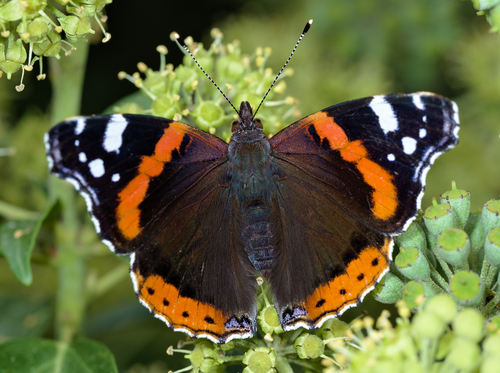
England, UK
Puedes ver Almirante Rojo, Large Red Damselfly y Blue Emperor.
Ver guía →

England, UK
Puedes ver Mariquita Asiática, Graja y Almirante Rojo.
Ver guía →
North Denmark Region, DK
Puedes ver Gorrión Común, Eurasian Jackdaw y Common Wood-Pigeon.
Ver guía →

Nouvelle-Aquitaine, FR
Puedes ver Gorrión Común, Lagartija Roquera y Common Moorhen.
Ver guía →

England, UK
Puedes ver Black Swan, Alder Leaf Beetle y Anémona De Bosque.
Ver guía →