





Cotesia
cotesia
Las Cotesia son avispas diminutas que ayudan a proteger las plantas controlando las poblaciones de orugas. Son fascinantes porque ponen sus huevos dentro de las orugas, ¡lo que ayuda a mantener el jardín saludable!
Hábitat: Las Cotesia viven en jardines, campos y bosques donde se encuentran orugas.
La Cotesia es una avispa diminuta y esbelta, típicamente negra o marrón oscuro, con dos pares de alas claras y membranosas y largas y delgadas antenas. Su cuerpo es liso y a menudo brillante, dándole una apariencia elegante que la distingue de moscas o abejas más robustas.
Categoría
InsectosRareza
Common
Peligro
1/5 · Muy bajo
Snaps
¡Sé la primera persona en hacer un snap!
¡Las avispas Cotesia adultas pueden beber néctar de flores, dándoles la energía necesaria para encontrar sus objetivos de oruga! ¡Increíble!
Después de que las larvas de Cotesia eclosionan, la oruga a menudo deja de comer y a veces ¡incluso guarda los capullos de la avispa! ¡Increíble!
¡Algunas especies de Cotesia inyectan un virus especial en su huésped para mantener sus huevos a salvo de las defensas de la oruga! ¡Increíble!
¡Estas asombrosas avispas son a menudo más pequeñas que un solo grano de arroz, lo que las hace súper difíciles de detectar! ¡Increíble!
La Cotesia puede poner sus huevos dentro de las orugas, transformando al huésped en una guardería y fuente de alimento para sus larvas en crecimiento.
La Cotesia tiene virus especiales que suprimen el sistema inmune de la oruga huésped, protegiendo sus huevos de ser destruidos.
Algunas larvas de Cotesia pueden hacer que la oruga guarde sus capullos, ¡protegiéndolos incluso después de que las larvas hayan salido!
La Cotesia puede detectar señales químicas liberadas por plantas bajo ataque, guiándolas directamente a sus orugas hospedadoras.
Las avispas Cotesia adultas beben néctar, mientras que sus crías se deleitan con el interior de las orugas como parásitos.
Diferencias por edad: Los adultos se alimentan de azúcares de plantas para obtener energía; las larvas son endoparasitoides, consumiendo los tejidos internos de las orugas hospedadoras.
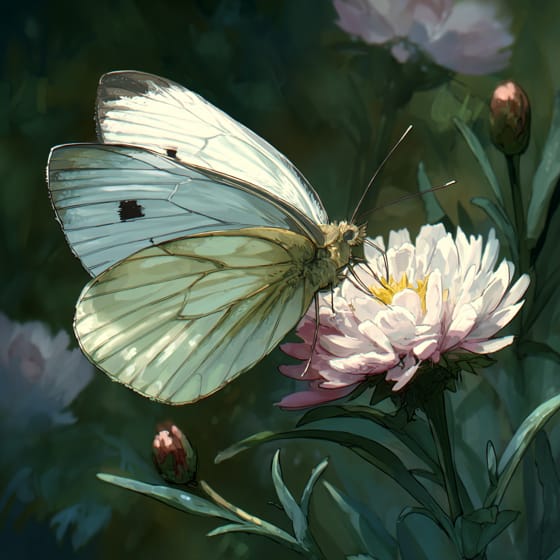
Pieris rapae
Una oruga huésped común para varias especies de Cotesia.
Spodoptera exigua
Cotesia ayuda a controlar esta importante plaga agrícola.
Misumena vatia
Depredadores de emboscada que cazan avispas adultas en flores.
Solidago canadensis
Las avispas adultas se alimentan del néctar de estas flores.
Los animales sociales viven en grupos organizados, cooperando para obtener beneficios de supervivencia como la búsqueda de alimento, la defensa y la cría de descendencia.
Describe a los organismos que descomponen la materia orgánica muerta, reciclando los nutrientes de vuelta al ecosistema.
Este rasgo identifica a los organismos cuya dieta consiste total o principalmente en tejido animal.
Los animales diurnos están activos principalmente durante el día y suelen descansar o dormir por la noche.

Describe organismos que transfieren polen, permitiendo la fertilización y reproducción de las plantas.
Peligro
1/5 · Muy bajo
Todavía no hay notas especiales de seguridad.
La forma más fácil de identificar a Cotesia es usar la aplicación de identificación de naturaleza Snappit.
3-6 mm
2-4 mm
10-25 días
Las avispas Cotesia adultas beben néctar, mientras que sus crías se deleitan con el interior de las orugas como parásitos.
Las Cotesia viven en jardines, campos y bosques donde se encuentran orugas.
Null
6
Acércate para separar los grupos y explorar dónde se ha fotografiado este objeto.
Los snaps recientes aparecerán aquí a medida que se añadan nuevas observaciones.
Llévate el descubrimiento
Haz una foto con Snappit, identifica la especie y guarda el hallazgo en tu colección.








.jpg&width=800)




