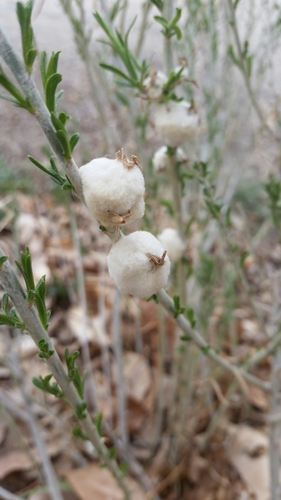


Cotton-Gall Tephritid
aciurina bigeloviae
The Cotton-Gall Tephritid, Aciurina bigeloviae, is a fascinating example of insect-plant interaction, specifically known for inducing distinctive cottony galls on its host plant, rubber rabbitbrush (Ericameria nauseosa). This small fly, belonging to the fruit fly family Tephritidae, plays a critical ecological role in the arid and semi-arid ecosystems it inhabits across western North America. The larvae of this species are the architects of these unique plant structures, modifying plant growth to create a protective home and food source. Studying A. bigeloviae provides insights into co-evolutionary relationships, insect morphology, and the intricate ways insects can manipulate plant physiology for their survival, making it a compelling subject in entomology.
Hábitat: This species is typically found in arid and semi-arid shrublands, grasslands, and desert environments where its primary host plant, rubber rabbitbrush (Ericameria nauseosa), is abundant.
Adults of Aciurina bigeloviae are small flies, typically measuring 0.3-0.5 cm in length, with a compact, somewhat robust body and prominent reddish-brown compound eyes. Their body coloration is generally yellowish-brown or light brown, often featuring subtle darker markings on the thorax and abdomen. A key diagnostic feature is their wings, which exhibit a characteristic intricate pattern of dark bands and spots, typical of many Tephritid fruit flies, and are usually held in a slightly V-shape at rest. Larvae are cream-colored maggots, entirely concealed within their cottony galls.
Categoría
InsectosRareza
Common
Peligro
1/5 · Muy bajo
Snaps
¡Sé la primera persona en hacer un snap!
Aciurina bigeloviae belongs to the Tephritidae family, often referred to as 'true fruit flies,' though many species, like this one, are gall-formers rather than fruit pests.
The distinctive galls created by Aciurina bigeloviae are often mistaken for cotton bolls due to their white, fuzzy appearance, giving the fly its common name.
The host plant, Ericameria nauseosa (rubber rabbitbrush), was once investigated as a potential source of natural rubber during periods of rubber scarcity.
The intricate internal structure of the gall is not random; it is precisely manipulated by the larval fly's biochemical signals to create specific chambers for feeding and protection.
The larvae possess the unique ability to induce the formation of a distinct, cottony, multi-chambered gall on the stems of their host plant, providing both shelter and nutrition.
Aciurina bigeloviae exhibits high host specificity, primarily targeting Ericameria nauseosa (rubber rabbitbrush), ensuring reliable resource availability in its native range.
The larvae excrete biochemicals that manipulate the plant's growth hormones, causing the stem tissue to develop into a highly specific and protective structure around them.
Larval Cotton-Gall Tephritids are herbivorous endoparasites, feeding exclusively on the modified plant tissues within the galls they induce on rubber rabbitbrush. Adult flies primarily feed on nectar from flowers or honeydew secreted by other insects.
Diferencias por edad: Larvae feed exclusively on specific plant tissues within the galls, while adult flies consume liquid food sources like nectar and honeydew.
Ericameria nauseosa
The primary host plant, providing essential resources and shelter for the larval stage through gall formation.
Eurytoma sp.
Various species of parasitic wasps lay their eggs within the galls, and their larvae then feed on the developing Cotton-Gall Tephritid larvae.
Araneus diadematus
Adult Cotton-Gall Tephritids, being small and slow-moving, are a potential food source for generalist insect predators.
Aún no hay insignias de rasgos asignadas a este objeto.
Todavía no hay alias listados.
Las colecciones para este objeto aparecerán aquí a medida que se añadan más temas.
Peligro
1/5 · Muy bajo
Todavía no hay notas especiales de seguridad.
La forma más fácil de identificar a Cotton-Gall Tephritid es usar la aplicación de identificación de naturaleza Snappit.
0-1 cm
0-1 cm
0.000001-0.00001 kg
0 años
5 km/h
Larval Cotton-Gall Tephritids are herbivorous endoparasites, feeding exclusively on the modified plant tissues within the galls they induce on rubber rabbitbrush. Adult flies primarily feed on nectar from flowers or honeydew secreted by other insects.
This species is typically found in arid and semi-arid shrublands, grasslands, and desert environments where its primary host plant, rubber rabbitbrush (Ericameria nauseosa), is abundant.
Acércate para separar los grupos y explorar dónde se ha fotografiado este objeto.
Los snaps recientes aparecerán aquí a medida que se añadan nuevas observaciones.









%2C_mating.jpg&width=800)






