
_em_um_fim_de_tarde_em_Bag%C3%A9-RS.jpg&width=800)





Crape-myrtle
Lagerstroemia indica
Crape-myrtle is a colorful shrub that blooms with pretty flowers in summer. It can grow tall and is often seen in gardens, adding beauty with its vibrant colors.
Hábitat: Urban areas
The Crape-myrtle has beautiful, crinkled flowers resembling crepe paper, often in vibrant shades of pink, purple, red, or white. Its smooth, mottled bark peels away to reveal lighter colors beneath, making it stand out in gardens.
Categoría
PlantasRareza
Common
Peligro
1/5 · Muy bajo
Snaps
¡Sé la primera persona en hacer un snap!
After blooming, it grows small, round seed capsules that look like tiny berries.
In autumn, many crape-myrtle leaves turn fiery red, orange, or yellow!
It is often called the 'Lilac of the South' because of its beautiful summer blooms!
Its crinkled petals look just like colorful crepe paper, giving it its name!
Crape-myrtle can bloom with bright, crinkly flowers to attract many helpful insects for pollination.
Crape-myrtle has bark that peels off, helping it shed old skin and pesky insects.
Crape-myrtle can thrive in very hot and sunny places, soaking up lots of energy for vibrant blooms.
Apis mellifera
collects nectar from its showy flowers
Tinocallis kahawaluokalani
sucks sap from leaves, causing honeydew
Popillia japonica
chews holes in its leaves and petals
Bombus impatiens
gathers pollen and nectar for its colony
Las plantas caducifolias pierden periódicamente todas sus hojas, por lo general durante el otoño o las estaciones secas.
Las plantas con flores son cualquier planta que produce flores como parte de su ciclo reproductivo.
Las plantas ornamentales se cultivan principalmente por su atractivo estético, embelleciendo paisajes y jardines con su atractivo follaje, flores o forma.
Un arbusto es una planta leñosa más pequeña que un árbol, típicamente con múltiples tallos que se ramifican desde o cerca del suelo.

Las plantas de floración de verano producen sus flores durante la temporada estival, a menudo aportando un color vibrante cuando muchas otras plantas ya han terminado de florecer.

Las flores fragantes emiten un aroma agradable, a menudo para atraer polinizadores o como defensa.

Colorido describe a organismos u objetos que exhiben una amplia variedad de colores brillantes y distintivos.

Las plantas de crecimiento rápido exhiben tasas de crecimiento aceleradas, aumentando rápidamente de tamaño y biomasa en un corto período de tiempo.

Esta característica de hábitat indica especies que pueden coexistir con los humanos en entornos urbanos y suburbanos, utilizando estructuras artificiales y espacios verdes.
Peligro
1/5 · Muy bajo
Always be gentle around plants and don't eat any parts without asking an adult.
300-900 cm
200-600 cm
2-3 cm
Summer to early Fall
No
Ninguna
Perenne
Insectos
Acércate para separar los grupos y explorar dónde se ha fotografiado este objeto.
Los snaps recientes aparecerán aquí a medida que se añadan nuevas observaciones.
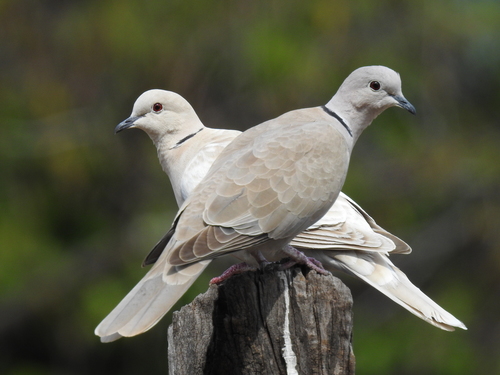
Tennessee, US
Puedes ver Eurasian Collared-Dove y Hongo De La Miel.
Ver guía →
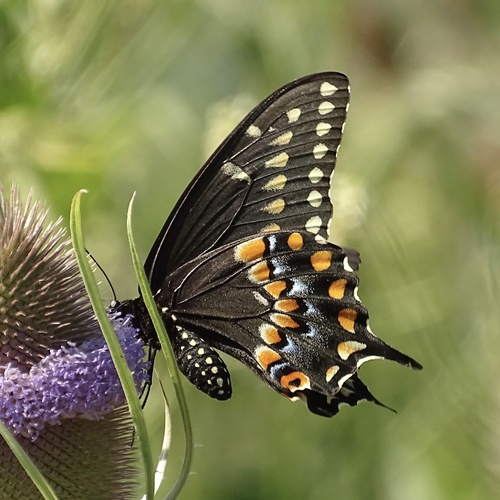
Virginia, US
Puedes ver Mariposa Cometa Negra, Poison Hemlock y Crape-Myrtles.
Ver guía →

Washington, US
Puedes ver Strawberry Tree, Pato y Castor Americano.
Ver guía →

Virginia, US
Puedes ver Conifers, Virginia Creeper y Nogal Negro.
Ver guía →

Virginia, US
Puedes ver Equinácea, Southern Wild Raisin y Liquidámbar Americano.
Ver guía →
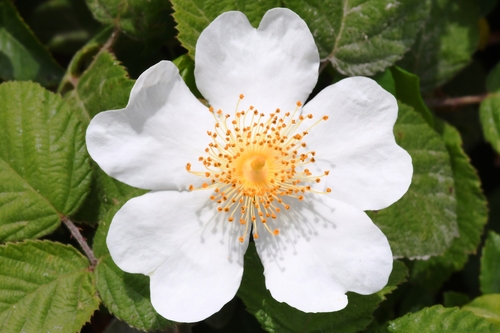
Virginia, US
Puedes ver Rosas, Onions y Broadleaf Arrowhead.
Ver guía →















