






cream cinquefoil
Drymocallis convallaria
The cream cinquefoil is a lovely flower with bright yellow petals. It grows in many places and is often found in fields and gardens, adding beauty to nature.
Hábitat: Grasslands
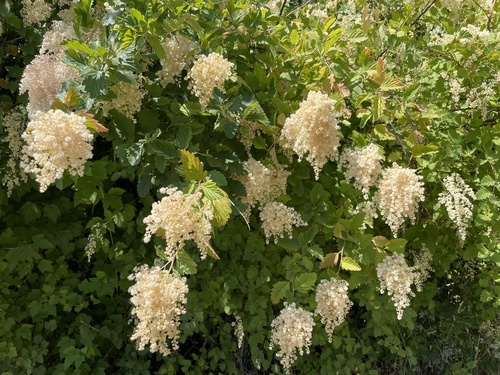
The cream cinquefoil has slender, erect stems topped with clusters of small, five-petaled flowers that are a delicate creamy-yellow. Its green leaves are palmate, typically divided into five to seven oval leaflets, often covered in soft, fuzzy hairs.
Categoría
PlantasRareza
Common
Peligro
1/5 · Muy bajo
Snaps
¡Sé la primera persona en hacer un snap!
Despite its delicate flowers, this tough plant loves growing in challenging, stony ground.
It's a cousin to strawberries, but you won't find any sweet berries on this plant!
Its scientific name means 'lily-of-the-valley-like dry beauty,' which is quite a mouthful!
The leaves are often described as shaped like tiny hands because of their five leaflets!
Cream cinquefoil can thrive in dry, rocky soils that many plants avoid, helping it survive harsh conditions.
Its creamy-yellow flowers attract diverse insects like bees and butterflies, helping it reproduce effectively.
This plant spreads with underground rhizomes, helping it form robust clumps and colonize new ground.
Bombus vosnesenskii
Collects nectar and pollen from its flowers
Vanessa cardui
Feeds on nectar, aiding flower reproduction
Odocoileus hemionus
Browses on its leaves and tender stems
Lepus californicus
Graze on its foliage, especially young plants
Las plantas con flores son cualquier planta que produce flores como parte de su ciclo reproductivo.
Las plantas ornamentales se cultivan principalmente por su atractivo estético, embelleciendo paisajes y jardines con su atractivo follaje, flores o forma.
Las plantas de floración de verano producen sus flores durante la temporada estival, a menudo aportando un color vibrante cuando muchas otras plantas ya han terminado de florecer.
Las flores fragantes emiten un aroma agradable, a menudo para atraer polinizadores o como defensa.

Describe plantas que son particularmente atractivas y beneficiosas para una amplia variedad de organismos polinizadores.

Los hábitats de pastizales son biomas terrestres dominados por pastos y plantas herbáceas, que sustentan a una variedad de animales de pastoreo.
Todavía no hay alias listados.
Peligro
1/5 · Muy bajo
Always look but don't pick flowers unless you have permission.
20-60 cm
20-40 cm
1-2.5 cm
Late spring to summer
No
Ninguna
Perenne
Insectos
Acércate para separar los grupos y explorar dónde se ha fotografiado este objeto.
Los snaps recientes aparecerán aquí a medida que se añadan nuevas observaciones.












_(6804020555).jpg&width=800)


