






creeping thistle
Cirsium arvense
Creeping thistle is a tall plant with spiky purple flowers. It grows in fields and gardens, and its fluffy seeds can float in the wind, spreading far and wide!
Hábitat: Grasslands
The creeping thistle has spiny, lance-shaped leaves that grow along its ribbed stem. Its vibrant purple flower heads are small, fuzzy, and typically clustered at the stem's top. Unlike some thistles, its flower heads are usually smaller and lack large spiny bracts.
Categoría
PlantasRareza
Common
Peligro
2/5 · Bajo
Snaps
¡Sé la primera persona en hacer un snap!
Each tiny purple flower head can release hundreds of fluffy seeds carried far by the wind!
Its roots can dive over 6 feet deep, making it incredibly hard to remove from the soil!
While a weed to farmers, many pollinators, like bees and butterflies, absolutely love its nectar!
Young creeping thistle stems, when properly prepared, can actually be cooked and eaten!
Creeping thistle can spread widely with deep, creeping roots (rhizomes) that help it find water and nutrients, making it very resilient.
Creeping thistle has sharp spines on its leaves and stems that protect it from hungry animals wanting to take a bite.
Creeping thistle produces numerous lightweight, fluffy seeds that can float far on the wind, colonizing new areas easily.
Apis mellifera
Collects nectar and pollen from flowers.
Vanessa cardui
Larvae feed on thistle leaves.
Carduelis carduelis
Feeds on the seeds from the flower heads.
Uroleucon cirsii
Sucks sap from stems and leaves.
Las plantas con flores son cualquier planta que produce flores como parte de su ciclo reproductivo.
Las plantas bienales completan su ciclo de vida en dos temporadas de crecimiento, formando típicamente follaje en el primer año y floreciendo o semillando en el segundo.
Colorido describe a organismos u objetos que exhiben una amplia variedad de colores brillantes y distintivos.
Las plantas de crecimiento rápido exhiben tasas de crecimiento aceleradas, aumentando rápidamente de tamaño y biomasa en un corto período de tiempo.

Describe plantas que son particularmente atractivas y beneficiosas para una amplia variedad de organismos polinizadores.

Los hábitats de pastizales son biomas terrestres dominados por pastos y plantas herbáceas, que sustentan a una variedad de animales de pastoreo.

Posee proyecciones puntiagudas y afiladas o espinas en el cuerpo o en la superficie.

Las especies invasoras son organismos no nativos que causan daños al medio ambiente, la economía o la salud humana.
Todavía no hay alias listados.
Peligro
2/5 · Bajo
Be careful of the sharp thorns on the leaves and stems.
30-150 cm
1-2 cm
Verano
Sí
Leve
Perenne
Insectos
Grasslands
Acércate para separar los grupos y explorar dónde se ha fotografiado este objeto.
Los snaps recientes aparecerán aquí a medida que se añadan nuevas observaciones.
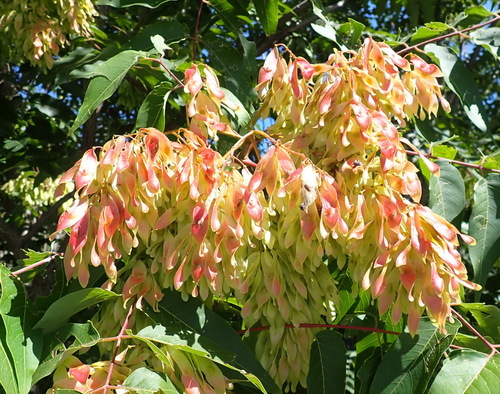
New York, US
Puedes ver Tree-Of-Heaven, Spotted Lanternfly y Paloma Bravía.
Ver guía →

England, UK
Puedes ver Cinnabar Moth, Common Moorhen y Marmalade Hover Fly.
Ver guía →

Washington, US
Puedes ver Barnacla Canadiense, Pato y American Coot.
Ver guía →
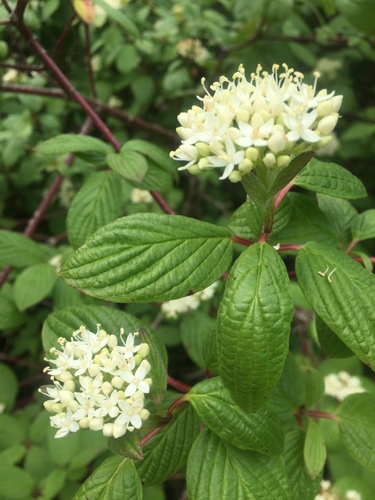
British Columbia, CA
Puedes ver Red Osier Dogwood, Pino Contorta y Common Juniper.
Ver guía →
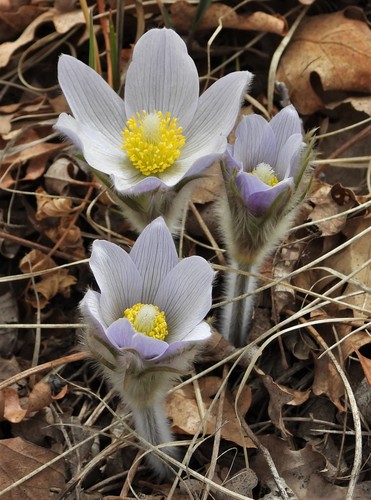
South Dakota, US
Puedes ver Prairie Pasqueflower, Common Buckthorn y Tatarian Honeysuckle.
Ver guía →
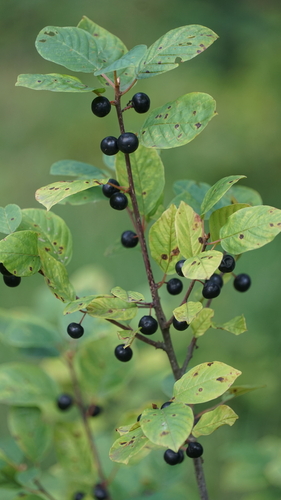
Michigan, US
Puedes ver Alder Buckthorn, Bulblet Fern y Western Poison Ivy.
Ver guía →













_-_Flickr_-_Jay_Sturner_(2).jpg&width=800)

