crevice alumroot
Heuchera micrantha
Crevice alumroot is a small plant with pretty leaves that can grow in rocky places. It has tiny flowers that bloom in spring and summer, adding color to its home.
Hábitat: Mountain regions
The crevice alumroot has distinctive lobed leaves, often mottled with shades of green, purple, or silver-green, forming a compact clump. Slender stalks rise above the foliage, bearing tiny, bell-shaped flowers that can range from white to pink or reddish-brown.
Categoría
PlantasRareza
Common
Peligro
1/5 · Muy bajo
Snaps
¡Sé la primera persona en hacer un snap!
It can live for many, many years, clinging to rocks through all kinds of tough weather!
Its roots were once chewed by people to help stop bleeding, like a natural bandage!
Some varieties of alumroot have leaves that shimmer in the light, almost like silver!
This amazing plant can often grow upside down from cliff faces, defying gravity!
Crevice alumroot has strong, fibrous roots that anchor it firmly in narrow rock cracks, helping it survive harsh winds.
Crevice alumroot can store water in its rhizomes, helping it survive long dry periods common in rocky habitats.
Crevice alumroot sometimes develops reddish or purplish leaves, which protects it from intense sunlight and cold.
Bombus vosnesenskii
collects pollen and nectar from its flowers
Colias eurytheme
as an adult butterfly, sips nectar from its tiny blooms
Odocoileus hemionus
browses on its leaves and tender stems
Deroceras reticulatum
nibbles holes in its leaves and flowers
Las plantas caducifolias pierden periódicamente todas sus hojas, por lo general durante el otoño o las estaciones secas.
Las plantas con flores son cualquier planta que produce flores como parte de su ciclo reproductivo.
Las plantas de floración de verano producen sus flores durante la temporada estival, a menudo aportando un color vibrante cuando muchas otras plantas ya han terminado de florecer.
Las plantas de floración primaveral producen sus flores durante la temporada de primavera, lo que a menudo significa el final del invierno y el comienzo de un nuevo crecimiento.

Las plantas tolerantes a la sequía pueden sobrevivir y florecer en condiciones de escasa disponibilidad de agua.

Colorido describe a organismos u objetos que exhiben una amplia variedad de colores brillantes y distintivos.

Describe plantas que son particularmente atractivas y beneficiosas para una amplia variedad de organismos polinizadores.

Este rasgo de hábitat identifica a las especies que se encuentran en regiones montañosas, caracterizadas por su gran altitud, pendientes pronunciadas y zonas climáticas variables.
Todavía no hay alias listados.
Peligro
1/5 · Muy bajo
Always look but don't touch plants unless you know they are safe.
20-60 cm
20-40 cm
0.5-1 cm
Late spring to summer
Sí
Ninguna
Perenne
Insectos
Acércate para separar los grupos y explorar dónde se ha fotografiado este objeto.
Los snaps recientes aparecerán aquí a medida que se añadan nuevas observaciones.
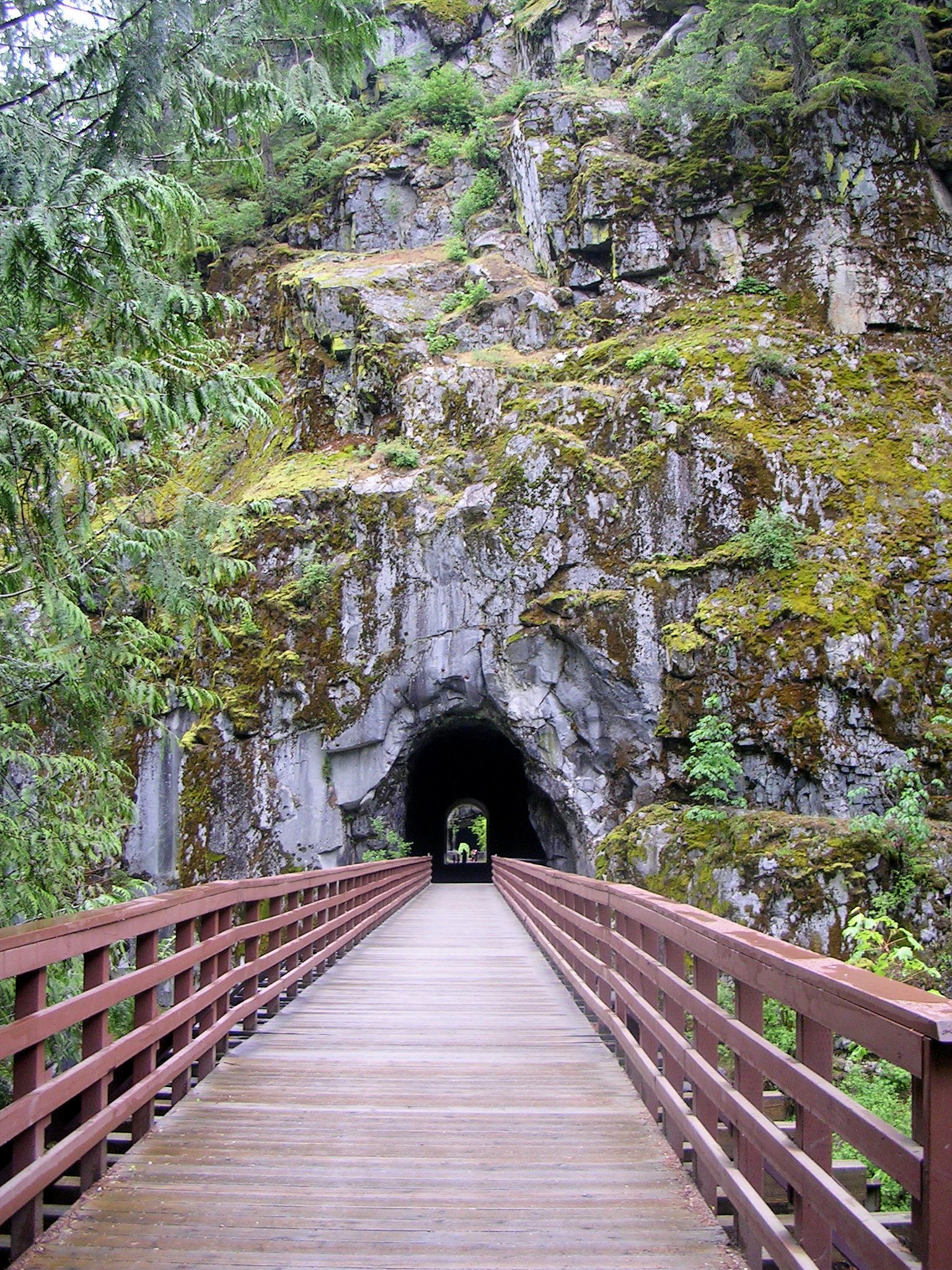
British Columbia, CA
Puedes ver Western Sword Fern, Vine Maple y Thimbleberry.
Ver guía →
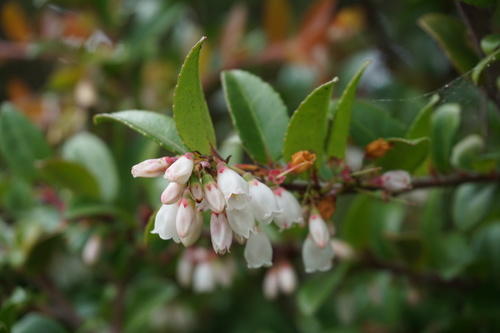
British Columbia, CA
Puedes ver Evergreen Huckleberry, Salal y Pacific Madrone.
Ver guía →

British Columbia, CA
Puedes ver Salal, Evergreen Huckleberry y Abeto De Douglas.
Ver guía →
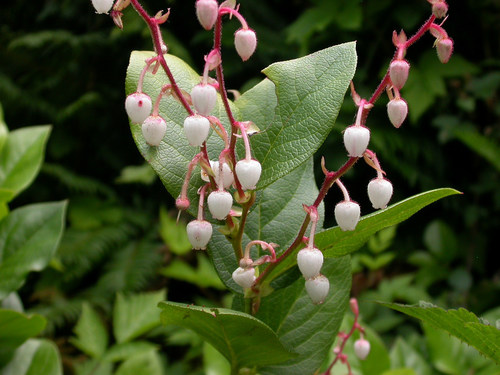
British Columbia, CA
Puedes ver Salal, Small Ground-Cone y Evergreen Huckleberry.
Ver guía →