





Crotalus Cerastes
crotalus cerastes
La Crotalus cerastes, también conocida como serpiente de cascabel cornuda, se mueve de una manera lateral única a través de la arena. Su cascabel advierte a otros que se mantengan alejados, lo que la convierte en una parte importante del ecosistema desértico.
Hábitat: Desiertos y áreas arenosas en el suroeste de Estados Unidos.
La Crotalus Cerastes tiene un cuerpo distintivo de color claro, similar a la arena, con manchas oscuras que la camuflan perfectamente contra el terreno desértico. Presenta escamas únicas en forma de cuerno sobre sus ojos, lo que le da una apariencia feroz y ayuda a proteger sus ojos de la arena. Su cuerpo esbelto está adaptado para un movimiento de desplazamiento lateral eficiente.
Categoría
ReptilesRareza
Common
Peligro
4/5 · Alto
Snaps
3
¡Los sidewinders nacen vivos, no eclosionan de huevos como muchos otros reptiles!
Sus 'cuernos' sobre los ojos les ayudan a protegerse del resplandor del sol.
Dejan huellas únicas en forma de J en la arena mientras se mueven.
¡Esta serpiente puede atacar a su presa más rápido de lo que puedes parpadear!
La Crotalus Cerastes puede moverse sobre arena suelta con un movimiento lateral único que les ayuda a cruzar rápidamente terrenos difíciles sin hundirse.
La Crotalus Cerastes tiene fosas especiales termosensibles en su cara que les ayudan a 'ver' presas de sangre caliente, incluso en la oscuridad total.
La Crotalus Cerastes puede enterrarse rápidamente en la arena usando escamas especializadas, lo que les ayuda a esconderse de depredadores o emboscar a sus presas.
Un cazador del desierto que come pequeños mamíferos, lagartos y a veces pequeñas aves.
Dipodomys deserti
Una fuente principal de alimento en su hábitat desértico.
Callisaurus draconoides
Depreda a estos lagartos comunes del desierto.
Buteo jamaicensis
Cazado por este depredador aéreo del desierto.
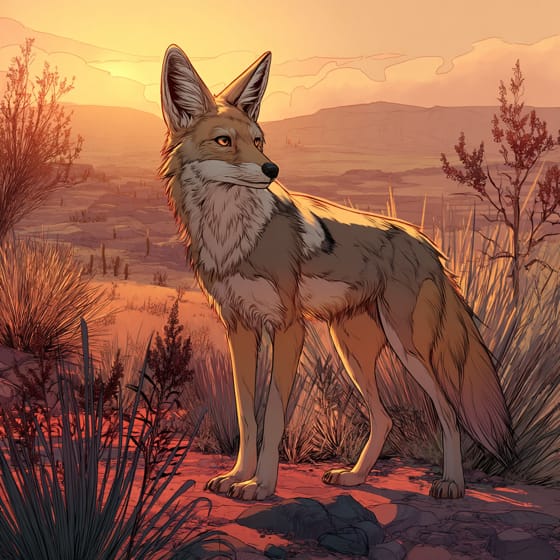
Canis latrans
Puede convertirse en presa de coyotes oportunistas.
Los animales solitarios viven solos durante la mayor parte de su vida y solo interactúan con otros para aparearse o cuidar de sus crías.
El camuflaje describe a los organismos que poseen colores o patrones que les permiten mezclarse con su entorno.
Los hábitats desérticos son regiones áridas caracterizadas por precipitaciones extremadamente bajas y, a menudo, temperaturas extremas, que albergan una flora y fauna especializadas.
Los animales nocturnos están principalmente activos durante la noche, y suelen descansar o dormir durante el día.

Los organismos venenosos producen toxinas que se inyectan en otro animal, generalmente a través de una mordedura o picadura.
Peligro
4/5 · Alto
Siempre observe desde la distancia y nunca intente tocar una serpiente.
La forma más fácil de identificar a Crotalus Cerastes es usar la aplicación de identificación de naturaleza Snappit.
45-80 cm
0.1-0.3 kg
10-20 años
4 km/h
Un cazador del desierto que come pequeños mamíferos, lagartos y a veces pequeñas aves.
Desiertos y áreas arenosas en el suroeste de Estados Unidos.
Emboscada
Acércate para separar los grupos y explorar dónde se ha fotografiado este objeto.
Llévate el descubrimiento
Haz una foto con Snappit, identifica la especie y guarda el hallazgo en tu colección.















