





Cryptocephalus sericeus
Cryptocephalus sericeus
El Cryptocephalus sericeus es un escarabajo verde brillante al que le encanta masticar hojas. ¡Tiene un talento especial para camuflarse con las plantas, lo que lo convierte en una pequeña criatura divertida de avistar en la naturaleza!
Hábitat: Bosques
El Cryptocephalus sericeus es un escarabajo de tamaño pequeño, ovalado, famoso por su exoesqueleto excepcionalmente brillante, metálico, de color verde dorado o verde azulado. Su cabeza suele estar metida debajo de su tórax, dándole una apariencia compacta, lo que lo hace visualmente distinto de muchos otros escarabajos de la hoja.
Categoría
InsectosRareza
Common
Peligro
1/5 · Muy bajo
Snaps
¡Sé la primera persona en hacer un snap!
¡Las hembras ponen sus huevos dentro de pequeñas cajas parecidas al barro que ellas mismas fabrican!
¡Si se les molesta, algunos escarabajos emparentados pueden hacer un pequeño chillido para asustar a los atacantes!
¡Su nombre científico significa 'cabeza oculta' porque mantiene su cabeza bien metida bajo el cuerpo!
¡A menudo puedes ver a estos escarabajos tomando el sol en las flores, absorbiendo el calor para mantenerse activos!
¡Estos escarabajos comen hojas y polen de varias plantas, como margaritas y hierba de San Juan!
Diferencias por edad: Las larvas se alimentan de detritus y raíces de plantas, mientras que los adultos prefieren hojas y polen.
%2C_Parc_de_Woluw%C3%A9%2C_Brussels_(13042792905).jpg&width=800)
Parus major
Esta ave común depreda varios insectos, incluyendo escarabajos.
_Hypericum_perforatum_flower_and_buttons.jpg&width=800)
Hypericum perforatum
Los escarabajos adultos se alimentan de las hojas y el polen de esta planta.
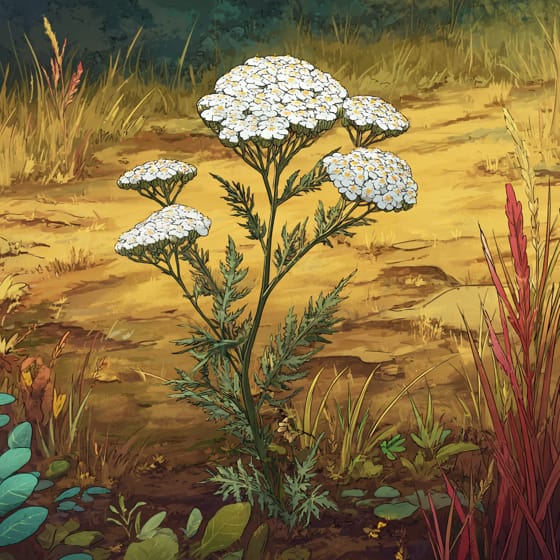
Achillea millefolium
Una fuente de alimento frecuente para el Cryptocephalus sericeus adulto.
Solidago canadensis
Esta planta también sirve como fuente de alimento para los escarabajos adultos.
Los animales solitarios viven solos durante la mayor parte de su vida y solo interactúan con otros para aparearse o cuidar de sus crías.
El camuflaje describe a los organismos que poseen colores o patrones que les permiten mezclarse con su entorno.
Colorido describe a organismos u objetos que exhiben una amplia variedad de colores brillantes y distintivos.
Este rasgo caracteriza a los organismos cuya dieta consiste total o principalmente en material vegetal.

Los hábitats boscosos son entornos terrestres dominados por una densa cubierta arbórea, que sustentan una gran diversidad de vida animal y vegetal.

Acorazado describe a los animales protegidos por una cubierta externa dura o caparazón para defenderse.

Los animales diurnos están activos principalmente durante el día y suelen descansar o dormir por la noche.

Describe organismos que transfieren polen, permitiendo la fertilización y reproducción de las plantas.
Todavía no hay alias listados.
Peligro
1/5 · Muy bajo
Sé suave y mira por dónde pisas para evitar aplastar pequeños escarabajos como este.
La forma más fácil de identificar a Cryptocephalus sericeus es usar la aplicación de identificación de naturaleza Snappit.
6-8 mm
90-120 días
¡Estos escarabajos comen hojas y polen de varias plantas, como margaritas y hierba de San Juan!
Bosques
Forrajeo
6
Acércate para separar los grupos y explorar dónde se ha fotografiado este objeto.
Los snaps recientes aparecerán aquí a medida que se añadan nuevas observaciones.
Llévate el descubrimiento
Haz una foto con Snappit, identifica la especie y guarda el hallazgo en tu colección.







.jpg&width=800)


