





Cryptocephalus violaceus
Cryptocephalus violaceus
El Cryptocephalus violaceus es un escarabajo pequeño y brillante al que le encanta masticar plantas. ¡Sus colores brillantes lo hacen fácil de detectar en jardines y campos!
Hábitat: Pastizales
El Cryptocephalus violaceus es un pequeño escarabajo de hoja ovalado, típicamente de 4-6 mm de largo, con una llamativa iridiscencia violeta metálica o púrpura azulada. Su exoesqueleto liso y brillante lo distingue de muchos otros escarabajos de hoja más opacos, haciéndolo parecer una pequeña joya viviente.
Categoría
InsectosRareza
Common
Peligro
1/5 · Muy bajo
Snaps
¡Sé la primera persona en hacer un snap!
¡Los Cryptocephalus violaceus bebés construyen pequeñas 'cajas' con sus excrementos para esconderse!
Si se siente amenazado, ¡a veces puede hacerse el muerto dejándose caer al suelo!
¡Su impresionante color púrpura metálico lo hace parecer una pequeña joya en el jardín!
A menudo se pueden encontrar estos escarabajos tomando el sol en hojas soleadas, absorbiendo el calor.
La hembra de Cryptocephalus violaceus puede crear una pequeña 'caja' camuflada para sus huevos para protegerlos de daños.
El Cryptocephalus violaceus puede masticar hojas de plantas resistentes gracias a sus fuertes mandíbulas que le ayudan a obtener nutrientes.
El Cryptocephalus violaceus tiene una cubierta oscura y dura en su etapa larval que le ayuda a camuflarse con los desechos del suelo.
A este escarabajo le encanta masticar las hojas de varios árboles y arbustos.
%2C_Parc_de_Woluw%C3%A9%2C_Brussels_(13042792905).jpg&width=800)
Parus major
Las aves a menudo depredan estos escarabajos brillantes.
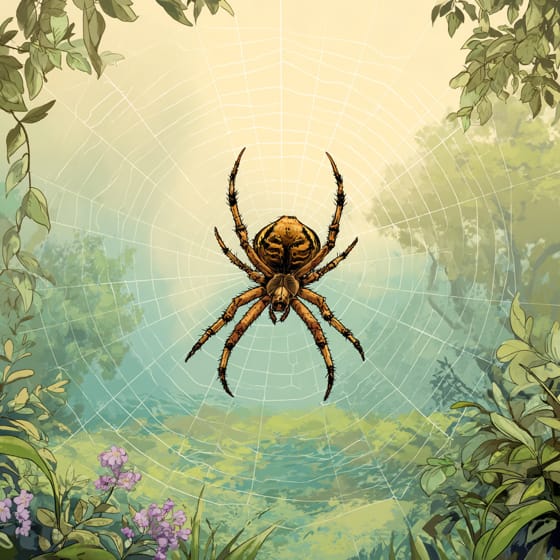
Araneus diadematus
Las arañas pueden atrapar adultos en sus telarañas.
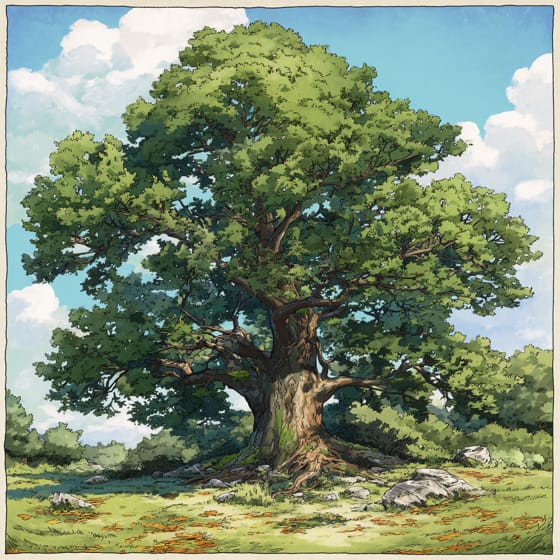
Quercus robur
Los adultos y las larvas se alimentan de hojas de roble.
Betula pendula
Mastican las hojas de los abedules.
Los animales solitarios viven solos durante la mayor parte de su vida y solo interactúan con otros para aparearse o cuidar de sus crías.
Colorido describe a organismos u objetos que exhiben una amplia variedad de colores brillantes y distintivos.
Este rasgo caracteriza a los organismos cuya dieta consiste total o principalmente en material vegetal.
Describe plantas que son particularmente atractivas y beneficiosas para una amplia variedad de organismos polinizadores.

Los hábitats de pastizales son biomas terrestres dominados por pastos y plantas herbáceas, que sustentan a una variedad de animales de pastoreo.

Los animales diurnos están activos principalmente durante el día y suelen descansar o dormir por la noche.

Relativo a especies que son significativamente más pequeñas que lo típico o promedio de su tipo.

Describe organismos que transfieren polen, permitiendo la fertilización y reproducción de las plantas.
Todavía no hay alias listados.
Peligro
1/5 · Muy bajo
Sé amable y mira por dónde pisas, ya que insectos como este escarabajo pueden ser pequeños y fáciles de pasar por alto.
La forma más fácil de identificar a Cryptocephalus violaceus es usar la aplicación de identificación de naturaleza Snappit.
4-6 mm
30-90 días
A este escarabajo le encanta masticar las hojas de varios árboles y arbustos.
Pastizales
Forrajeo
6
Acércate para separar los grupos y explorar dónde se ha fotografiado este objeto.
Los snaps recientes aparecerán aquí a medida que se añadan nuevas observaciones.
Llévate el descubrimiento
Haz una foto con Snappit, identifica la especie y guarda el hallazgo en tu colección.






.jpg&width=800)



