





Ctenolepisma ciliatum
Ctenolepisma ciliatum
El Ctenolepisma ciliatum, también conocido como pececillo de plata, es un insecto pequeño y brillante al que le encanta esconderse en lugares oscuros y húmedos. Son rápidos y tienen una forma única y ondulante de moverse.
Hábitat: Zonas urbanas
El Ctenolepisma ciliatum tiene un cuerpo aplanado, con forma de lágrima, típicamente gris o gris parduzco, cubierto de diminutas escamas reflectantes. Posee dos largas antenas en la parte delantera y tres apéndices parecidos a colas en la parte trasera. Su cuerpo segmentado se estrecha desde la cabeza hasta la cola, lo que lo distingue de muchos otros insectos domésticos.
Categoría
InsectosRareza
Common
Peligro
1/5 · Muy bajo
Snaps
¡Sé la primera persona en hacer un snap!
¡Si se les rompe una pata, estos insectos pueden regenerarla!
¡Algunas especies de pececillos de plata pueden vivir hasta ocho años!
Sus cuerpos renuevan constantemente la piel, desprendiéndose de sus viejos exoesqueletos escamosos.
¡Son insectos antiguos, aparecieron millones de años antes que los dinosaurios!
Al Ctenolepisma ciliatum le encanta mordisquear almidones, papel e incluso pequeños trozos de insectos muertos.
Tegenaria domestica
Esta araña a menudo caza pececillos de plata en los hogares.
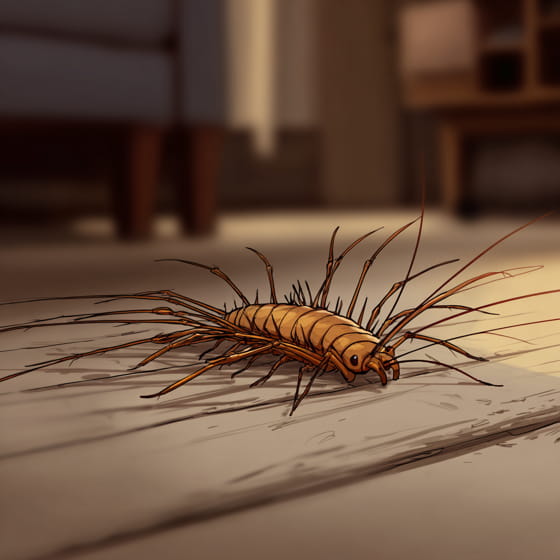
Scutigera coleoptrata
Un depredador rápido, persigue y come activamente pececillos de plata.
Forficula auricularia
Las tijeretas a veces depredan pececillos de plata, especialmente ninfas.
Este rasgo identifica organismos cuya dieta incluye tanto materia vegetal como animal.
Describe a los organismos que descomponen la materia orgánica muerta, reciclando los nutrientes de vuelta al ecosistema.
Relativo a especies que son significativamente más pequeñas que lo típico o promedio de su tipo.
Este rasgo identifica a los organismos que exhiben una rapidez excepcional en sus movimientos para cazar, escapar o desplazarse.

Esta característica de hábitat indica especies que pueden coexistir con los humanos en entornos urbanos y suburbanos, utilizando estructuras artificiales y espacios verdes.

Los animales nocturnos están principalmente activos durante la noche, y suelen descansar o dormir durante el día.
Peligro
1/5 · Muy bajo
Los pececillos de plata no son dañinos, pero es mejor no tocarlos.
La forma más fácil de identificar a Ctenolepisma ciliatum es usar la aplicación de identificación de naturaleza Snappit.
10-15 mm
730-2920 días
Al Ctenolepisma ciliatum le encanta mordisquear almidones, papel e incluso pequeños trozos de insectos muertos.
Zonas urbanas
Forrajeo
6
Acércate para separar los grupos y explorar dónde se ha fotografiado este objeto.
Los snaps recientes aparecerán aquí a medida que se añadan nuevas observaciones.
Llévate el descubrimiento
Haz una foto con Snappit, identifica la especie y guarda el hallazgo en tu colección.









.jpg&width=800)




