.jpg&width=800)





Cut-Leaf Fleabane
erigeron compositus
The Cut-Leaf Fleabane is a delightful little flower that brightens up meadows and gardens! Its unique, finely cut leaves and cheerful blooms make it a favorite among insects and nature lovers alike.
Hábitat: Cut-Leaf Fleabane typically grows in grassy areas, meadows, and along roadsides across North America.
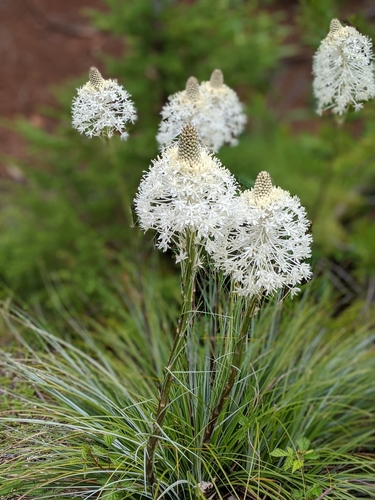
The Cut-Leaf Fleabane is a low-growing plant featuring finely divided, fern-like leaves that give it a delicate, lacy texture. It produces small, daisy-like flowers with numerous narrow ray petals, typically appearing white or pale purple.
Categoría
PlantasRareza
Common
Peligro
0/5 · Sin peligro conocido
Snaps
¡Sé la primera persona en hacer un snap!
Despite its name, it doesn't repel fleas, but it makes a great snack for some insects!
Its leaves look like miniature green ferns, even though it's a daisy cousin!
This tough plant can grow high up on mountains where it gets really chilly!
Tiny seeds help it catch the wind and float to new homes far away!
Cut-Leaf Fleabane has intricately cut leaves that help it reduce water loss and blend into rocky terrains.
Cut-Leaf Fleabane can anchor itself with strong roots, allowing it to thrive in windy alpine environments.
Cut-Leaf Fleabane has many tiny flowers clustered together, making its blooms more attractive to busy pollinators.
Apis mellifera
Its nectar provides energy for bees.
Bombus mixtus
Collects pollen and nectar from its blooms.
Phalaenostola metata
Its larvae may feed on the plant's leaves.
Colorido describe a organismos u objetos que exhiben una amplia variedad de colores brillantes y distintivos.
Este rasgo caracteriza a los organismos cuya dieta consiste total o principalmente en material vegetal.
Los hábitats de pastizales son biomas terrestres dominados por pastos y plantas herbáceas, que sustentan a una variedad de animales de pastoreo.
Los animales diurnos están activos principalmente durante el día y suelen descansar o dormir por la noche.

Describe organismos que transfieren polen, permitiendo la fertilización y reproducción de las plantas.
Peligro
0/5 · Sin peligro conocido
Todavía no hay notas especiales de seguridad.
5-30 cm
5-15 cm
1-2 cm
Late spring to summer
Sí
Leve
Perenne
Insectos
Acércate para separar los grupos y explorar dónde se ha fotografiado este objeto.
Los snaps recientes aparecerán aquí a medida que se añadan nuevas observaciones.